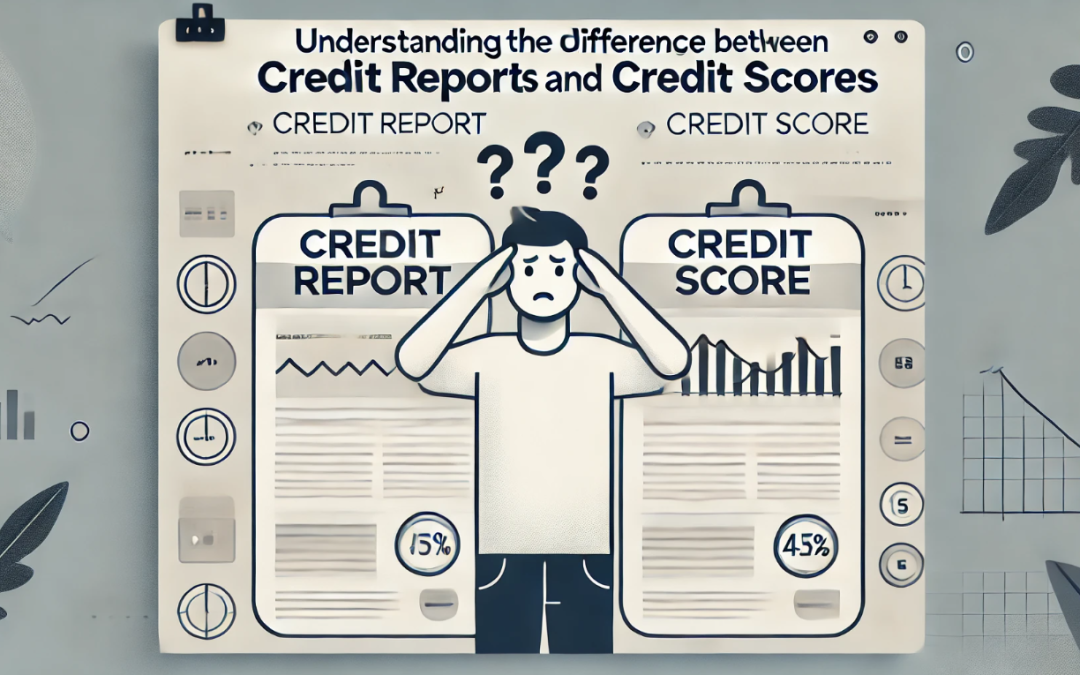
Your credit report and credit score are two essential components of your financial health. While they may seem similar, they serve distinct purposes in evaluating your creditworthiness and determining financial opportunities. Your credit report is a comprehensive record of your financial behavior, serving as a key document for lenders, landlords, and even potential employers. It reflects how you manage credit, whether you pay bills on time, and your overall reliability with financial obligations.
On the other hand, your credit score is a numerical representation derived from the information in your credit report. While positive entries on your credit report can boost your score and improve financial opportunities, negative items have the opposite effect. Addressing these negative items is essential for maintaining and improving your credit health. In this blog, we will explore the nature of negative items, their impact on credit scores, and strategies for addressing and preventing them. Let’s dive deeper into understanding how these elements influence your financial future.
1. What Are Negative Items in a Credit Report?
Negative items on a credit report serve as red flags for lenders and indicate instances where financial obligations were not met as agreed. These records signal potential risks to lenders and can significantly lower your credit score.
1.1 Definition and Examples Negative items
Negative items are records of financial missteps, reported by creditors, lenders, or collection agencies to the major credit bureaus—Experian, Equifax, and TransUnion. These items remain on your credit report for a set period and can impact your ability to secure loans, credit cards, or even housing.
Common Examples of Negative Items:
Late Payments: These occur when payments are made past the due date. They are categorized by the duration of delinquency (30, 60, or 90 days late).
Collections Accounts: Debts that remain unpaid for an extended period and are sold to collection agencies.
Charge-Offs: Accounts written off as a loss by creditors after several months of non-payment.
Bankruptcies: Legal proceedings for managing overwhelming debt, with Chapter 7 and Chapter 13 being the most common types.
Foreclosures: The seizure of property due to failure to repay a mortgage.
Judgments and Liens: Legal claims against you for unpaid debts, such as court judgments or tax liens.
1.2 How Negative Items Are Reported?
Negative items are reported when creditors or public records notify credit bureaus about delinquent accounts or financial issues. Each credit bureau compiles this information to create individual credit reports, and these reports may vary slightly because not all creditors report to all three bureaus.
For example:
A late payment on a credit card may appear on an Experian report but not on an Equifax report.
A collection agency might report to TransUnion alone.
Understanding how negative items are reported helps you identify discrepancies and prioritize resolution.
1.3 Why Negative Items Matter?
Negative items matter because they directly impact your credit score and influence how lenders perceive your financial responsibility. These items can have serious consequences, such as:
Loan Denials:Poor credit history may lead to rejected loan applications.
Higher Interest Rates: Borrowers with lower credit scores often face higher interest rates, increasing overall borrowing costs.
Limited Housing Options: Many landlords check credit reports when considering rental applications.
Employment Barriers: Some employers, especially in the financial sectors, review credit reports during the hiring process.
Addressing negative items is critical to improving your financial opportunities and maintaining a positive credit profile.
2. The Impact of Negative Items on Credit Scores
Your credit score serves as the primary metric that lenders use to evaluate your financial reliability and determine your eligibility for loans, credit cards, and other financial products. Negative items on your credit report have a significant impact on this score, often reducing your access to financial resources and increasing costs associated with borrowing. These negative entries act as red flags for potential lenders, signaling that you may pose a higher financial risk. Understanding how negative items affect your credit score is critical to addressing and improving your financial standing.
2.1 How Negative Items Lower Credit Scores?
Negative items disrupt the key factors that determine your credit score, with some factors being more heavily impacted than others. Payment history, which accounts for the largest portion of your score, is particularly sensitive to negative items such as late payments, collections, or charge-offs. These records indicate a failure to meet financial obligations, causing lenders to view you as less creditworthy.
Key Scoring Factors Affected by Negative Items:
Payment History (35%): Payment history is the most influential factor in your credit score. Negative items such as late payments, collections, or charge-offs directly harm this category. For example, missing a credit card payment by 30 days can result in a noticeable drop in your score. The longer the delinquency period (60, 90, or 120 days), the greater the impact on your credit score.
Credit Utilization (30%): Credit utilization measures how much of your available credit you’re using. When accounts go delinquent, they may show high balances relative to their limits, increasing your utilization ratio. High utilization ratios signal to lenders that you may be overleveraged, further lowering your score.
Length of Credit History (15%): The average age of your accounts also plays a role in your credit score. When accounts are closed due to defaults, such as a charge-off or foreclosure, it can shorten your credit history, which negatively affects this factor.
Credit Mix (10%): A balanced mix of credit accounts (e.g., credit cards, mortgages, auto loans) is viewed positively. Negative items can disrupt this balance by causing accounts to close or become delinquent, reducing your credit diversity.
New Credit Inquiries (10%): Applying for new credit while managing negative items can signal financial instability to lenders. Each inquiry adds to your credit report, and excessive applications may lower your score.
Examples of Score Impact:
The exact impact of negative items varies based on your existing credit profile. For instance:
A single late payment can reduce your score by 90–110 points if you previously had a high credit score.
A collection account or charge-off may cause an even steeper drop, especially if it’s your first major delinquency.
It’s important to note that individuals with higher credit scores often experience larger drops from negative items compared to those with already low scores.
2.2 Long-Term Effects
While the immediate impact of negative items is significant, their effect gradually diminishes over time. Most negative items stay on your credit report for a set period, but their influence on your score lessens as they age and you establish positive credit behaviors.
Timeline for Common Negative Items:
Late Payments and Collections: Typically remain on your credit report for seven years from the date of delinquency. Over time, the weight of these items decreases, especially if you continue making on-time payments.
Bankruptcies:
Chapter 7 Bankruptcy: Stays on your credit report for 10 years from the filing date.
Chapter 13 Bankruptcy: Remains for seven years due to the partial repayment plan associated with this type.
Foreclosures: Usually reported for seven years, signaling significant financial hardship.
Charge-Offs: Remain on your report for seven years, indicating that the creditor has written off the debt as uncollectible.
How to Mitigate Long-Term Effects:
Establish Positive Habits: Consistently paying bills on time and reducing debt balances can offset the negative impact over time.
Limit New Negative Entries: Avoid adding new negative items to your report while existing one's age out.
Monitor Your Progress: Regularly check your credit report to track changes and ensure accuracy.
Although negative items eventually fall off your credit report, the process takes time. With proactive measures, you can rebuild your credit score even before these items are removed.
2.3 Other Financial Impacts
The effects of negative items go beyond your credit score, influencing various aspects of your financial life. Understanding these broader implications underscores the urgency of addressing negative items promptly.
Loan Applications:
Lenders use your credit report and score to assess your creditworthiness. Negative items can lead to:
Loan Denials: Lenders may reject applications due to poor credit history.
Stricter Conditions: Borrowers with negative items may need cosigners or higher down payments to secure loans.
Higher Interest Rates: Low credit scores often result in higher interest rates, increasing the overall cost of borrowing.
Insurance Rates:
Some insurance companies use credit-based scoring models to determine premiums for auto and home insurance. Negative items on your credit report can result in higher premiums, as insurers may view you as a higher risk.
Utility Services:
Utility companies often review credit reports before opening new accounts. Poor credit may result in:
Deposits Required: Customers with negative items may need to pay security deposits before accessing services.
Denial of Services: In some cases, negative credit history could lead to denial of services.
Employment Opportunities:
Certain employers, particularly those in financial or government sectors, review credit reports during the hiring process. Negative items, such as collections or bankruptcies, may signal financial irresponsibility and could impact your chances of securing a job.
Addressing the Urgency
The combined effect of negative items on your credit score and broader financial opportunities highlights the importance of addressing them as soon as possible. By understanding how these items influence key aspects of your financial life, you can take proactive steps to minimize their impact and work toward rebuilding your credit. This involves not only managing existing negative items but also establishing long-term habits that promote financial stability and resilience.
3. How to Address Negative Items on Your Credit Report?
Addressing negative items requires a strategic approach to identify, dispute, and resolve them effectively.
3.1 Review and Understand Your Credit Report
The first step is to review your credit report for accuracy and completeness. Here’s how:
Access Free Credit Reports: Use AnnualCreditReport.com to obtain free reports from all three bureaus.
Identify Negative Items: Look for entries such as late payments or collections.
Check for Errors: Verify that all details, such as account balances and dates, are accurate.
By thoroughly reviewing your report, you can create a targeted plan to address any discrepancies.
3.2 Disputing Inaccurate Negative Items
Disputing errors is one of the most effective ways to clean up your credit report. To dispute an error:
Gather Evidence: Collect documents such as payment receipts or statements.
File a Dispute: Contact the credit bureau online, by mail, or over the phone.
Wait for Investigation: Credit bureaus must investigate disputes within 30 days.
If the bureau verifies the error, it will correct or remove the negative item, improving your report and score.
3.3 Negotiating with Creditors
For accurate negative items, consider negotiating with creditors:
Goodwill Letters: Request creditors to remove a negative item as a gesture of goodwill if you’ve been reliable otherwise.
Pay-for-Delete Agreements: Offer to pay the debt in exchange for the removal of the negative item. Always get agreements in writing.
Negotiating directly with creditors can often result in favorable outcomes.
4. How Can Credit Repair Companies Help?
If managing negative items feels overwhelming, professional credit repair services can provide valuable assistance.
4.1 The Role of Credit Repair Services
Credit repair companies specialize in analyzing your credit report, identifying issues, and disputing errors on your behalf. They also provide tailored strategies to rebuild your credit over time.
4.2 Benefits of Credit Repair Services
Working with credit repair companies offers several advantages:
Expertise: Professionals handle complex disputes and negotiations.
Time-Saving: They streamline the credit repair process for you.
Tailored Solutions: They offer strategies designed to improve your credit health.
By choosing a reputable provider, you can address negative items efficiently and regain financial stability.
Conclusion
Negative items on your credit report can feel overwhelming, but they don’t have to define your financial future. By understanding what negative items are, how they impact your credit, and how to address them effectively, you can take control of your financial health. Whether you’re reviewing your credit report, disputing inaccuracies, negotiating with creditors, or seeking professional assistance, every step brings you closer to improving your credit score.
If you’re ready to tackle negative items and improve your credit, Credit Repair of Florida is here to help. Our expert team provides personalized solutions to address your credit challenges and set you on the path to financial success. Take the first step toward a brighter financial future today!
A strong credit report and credit score are critical for achieving financial goals. Whether you are applying for a mortgage, seeking approval for a credit card, or even renting an apartment, your credit report often serves as the deciding factor for lenders, landlords, and employers. However, maintaining a clean credit report isn’t always easy. Life can bring unexpected challenges—such as job loss, medical emergencies, or family crises—that result in late payments, collections, or other negative items appearing on your credit report.
These negative items can lower your credit score and limit your financial opportunities. But there’s good news: not all negative items are permanent obstacles. Among the many tools available for credit repair, Goodwill letters are a unique and effective option for addressing legitimate negative items. A goodwill letter allows you to request your creditor to remove or adjust a negative mark from your credit report out of goodwill, especially if it occurred due to extenuating circumstances.
In this comprehensive blog, we’ll explore everything you need to know about goodwill letters. From understanding their purpose and role in credit repair to crafting an effective one, this guide will help you decide whether goodwill letters can work for you and how they fit into your broader strategy for improving your credit score.
1. What Are Goodwill Letters?
A Goodwill letter is a formal request sent to a creditor or lender, asking them to remove or adjust a legitimate negative item from your credit report. Unlike disputes—which challenge the accuracy of information on your credit report—goodwill letters acknowledge the accuracy of the negative mark but appeal to the creditor's discretion to remove it as a gesture of goodwill.
1.1 Definition and Purpose of Goodwill Letters
The purpose of goodwill letters is to address specific, one-time negative items that resulted from an unusual circumstance. They provide a means to improve your credit report without challenging the validity of the entry. Common scenarios where goodwill letters are effective include:
Isolated Late Payments: A missed payment due to an oversight or a temporary financial issue.
Unexpected Life Events: Examples include medical emergencies, natural disasters, or job loss.
Maintained Positive Payment History: If you’ve been a responsible borrower otherwise, a goodwill letter can build on that trust.
By requesting a goodwill adjustment, you appeal to the creditor's willingness to help, showcasing your commitment to maintaining financial responsibility.
1.2 How Goodwill Letters Differ from Disputes
It’s important to distinguish goodwill letters from disputes. While both tools are part of credit repair solutions, their approach and purpose differ:
Aspect
Goodwill Letters
Disputes
Purpose
Request removal of legitimate negative items.
Challenge the accuracy or validity of reported items.
Process
Relies on creditor discretion.
Legally requires credit bureaus to investigate and resolve.
Best Use
One-time mistakes caused by extenuating circumstances.
Errors, fraud, or unauthorized accounts.
2. Understanding Negative Items on Your Credit Report
Negative items are entries on your credit report that indicate financial difficulties or delinquent behaviors. These items can significantly lower your credit score and limit your ability to qualify for favorable loan terms.
2.1 Types of Negative Items
Late Payments: Payments that are 30 days or more overdue.
Each of these items can remain on your credit report for 7 to 10 years, depending on the type of entry.
2.2 Impact of Negative Items on Credit Scores
Your credit score is calculated based on several factors, with payment history carrying the most weight (35%). Negative items directly affect this category, leading to:
A drop in credit score: A single late payment can reduce your score by 90–110 points.
Higher interest rates: Poor credit scores lead to higher borrowing costs.
Limited financial opportunities: Negative items can prevent approval for loans, housing, or even certain jobs.
Understanding how negative items impact your score highlights the importance of addressing them through tools like goodwill letters.
3. How Goodwill Letters Fit Into Credit Repair
Goodwill letters are just one piece of the puzzle when it comes to credit repair. They work best as part of a broader strategy that includes dispute resolution, debt management, and responsible credit usage.
3.1 Why Goodwill Letters Are Effective
Goodwill letters rely on the goodwill of the creditor to voluntarily adjust your credit report. While creditors are not obligated to comply, many are willing to help borrowers who demonstrate:
Honest Intentions: A clear and genuine explanation for the negative item.
Positive Account History: A track record of responsible financial behavior.
Steps Toward Resolution: Proof that you’ve addressed the underlying issue.
For example, if you missed a single payment due to unexpected medical expenses but have since paid off your debt and maintained on-time payments, creditors may be more inclined to grant your request.
3.2 When to Use Goodwill Letters
Goodwill letters are most effective in scenarios such as:
One-Time Late Payments: Request removal of a single late payment caused by temporary hardship.
Medical Emergencies or Natural Disasters: Explain how unforeseen events affected your finances.
Longstanding Customer Relationships: Appeal to creditors based on loyalty and trust.
For chronic delinquencies or unresolved debts, goodwill letters may not be appropriate.
4. Writing an Effective Goodwill Letter
The success of a goodwill letter depends largely on how well it is written and presented. A well-crafted goodwill letter should be concise, honest, and professional.
4.1 Key Elements of a Goodwill Letter
To maximize your chances of success, include the following elements in your goodwill letter:
Polite Tone: Maintain a respectful and professional tone throughout.
Clear Explanation: Provide a brief but honest account of the circumstances that led to the negative item.
Evidence of Resolution: Show that you’ve resolved the issue and taken steps to improve your financial habits.
Direct Request: Politely ask for the removal of the negative item as a gesture of goodwill.
4.2 Structuring Your Goodwill Letter
Here’s a recommended structure:
Opening Paragraph
Thank the creditors for their services and express appreciation for your relationship with them.
Body Paragraphs
Explain the situation that led to the negative item.
Highlight your positive payment history and demonstrate how you’ve resolved the issue.
Closing Paragraph
Politely request the adjustment and thank the creditor for considering your request. Provide contact information for follow-up.
4.3 Sample Goodwill Letter
Subject: Request for Goodwill Adjustment on Account [Account Number]
Dear [Creditor’s Name or Department],
I am writing regarding my account with [Creditor], which I have maintained since [Year]. I deeply value the services you provide and have consistently strived to meet my financial obligations.
Unfortunately, due to [specific reason, e.g., medical emergency], I missed my payment on [date]. I take full responsibility for this oversight and have since ensured that all future payments are made on time.
As a gesture of goodwill, I kindly request that you consider removing this late payment from my credit report. I understand that this request is entirely at your discretion, and I sincerely appreciate your time and understanding.
Thank you for your consideration. Please feel free to contact me at [phone number] or [email address] if you require any additional information.
Sincerely,
[Your Full Name]
5. Alternatives to Goodwill Letters
If a goodwill letter doesn’t work or isn’t applicable to your situation, consider other credit repair solutions:
5.1 Disputing Inaccuracies
Errors on your credit report can happen more often than you might think. These inaccuracies may include incorrect balances, accounts you didn’t open, or payments incorrectly marked as late. If a negative item on your credit report is inaccurate, incomplete, or unauthorized, you have the legal right to dispute it under the Fair Credit Reporting Act (FCRA).
Review the report carefully to identify any inaccuracies.
File a dispute with the credit bureau reporting the error. This can often be done online, by mail, or over the phone.
Provide supporting evidence, such as payment receipts or account statements, to strengthen your case.
Wait for the bureau’s response. They are required to investigate and resolve the dispute within 30 days.
If the bureau finds that the negative item is indeed inaccurate, it must be corrected or removed from your credit report. Disputing errors is one of the most effective ways to clean up your credit report, especially if the negative item doesn’t belong to you.
5.2 Negotiating Pay-for-Delete Agreements
For unpaid debts that are legitimate, another potential solution is negotiating a pay-for-delete agreement. This involves contacting the creditor or collection agency and offering to pay off the debt in exchange for the removal of the negative item from your credit report.
Steps to Negotiate a Pay-for-Delete Agreement:
Contact the Creditor or Collection Agency: Reach out to the party managing the debt and propose the arrangement.
Negotiate the Terms: You can offer to pay the full balance or negotiate for a reduced amount. Be clear that your payment is contingent upon the removal of the negative item.
Get It in Writing: Before making any payment, ensure that the creditor or agency provides a written agreement confirming that they will delete the negative entry after payment is received.
Make the Payment: Pay according to the agreed terms and keep a record of your transaction.
While not all creditors or collection agencies are willing to agree to pay-for-delete arrangements, many are open to negotiation, especially if it helps them recover a portion of the debt.
Important Considerations:
Pay-for-delete agreements do not violate laws, but some credit bureaus discourage the practice as it undermines the integrity of credit reporting.
Ensure that all agreements are documented to protect yourself if the creditor fails to fulfill their promise.
5.3 Seeking Professional Credit Repair Services
If you find the credit repair process overwhelming or lack the time to handle it yourself, credit repair companies can provide valuable assistance. These companies specialize in addressing credit issues, including goodwill letters, disputes, and negotiations with creditors. They bring expertise to the table, saving you time and increasing your chances of success.
How Credit Repair Companies Can Help:
Identify Errors: They thoroughly review your credit report to identify inaccuracies or outdated negative items.
Handle Disputes: Credit repair professionals file disputes on your behalf and follow up with credit bureaus to ensure timely resolutions.
Negotiate with Creditors: They can negotiate pay-for-delete agreements, payment plans, or goodwill adjustments more effectively due to their experience.
Offer Guidance: Many companies provide personalized strategies for rebuilding credit, such as advice on improving payment habits or reducing credit utilization.
Choosing a Reputable Credit Repair Service:
Research the Company: Look for reviews, testimonials, and Better Business Bureau (BBB) ratings to ensure the company has a good reputation.
Verify Compliance with CROA: Make sure the company adheres to the Credit Repair Organizations Act (CROA), which prohibits upfront fees and guarantees of specific outcomes.
Avoid Red Flags: Stay away from companies that promise quick fixes or claim they can remove legitimate negative items.
While professional credit repair services can be a powerful ally, it’s essential to understand that credit repair is not an instant process. Working with a trustworthy company ensures your efforts remain ethical and effective.
6. Building Positive Credit Habits
After addressing negative items, focus on maintaining a healthy credit profile:
Automate Payments: Prevent late payments by setting up automatic reminders or payment systems.
Monitor Your Credit Report: Regularly review your report for errors or changes.
Keep Credit Utilization Low: Aim to use less than 30% of your available credit.
Conclusion
Goodwill letters are a powerful tool for repairing your credit, particularly when addressing one-time negative items caused by extenuating circumstances. While they require effort and patience, they can lead to significant improvements in your credit score and financial opportunities. If you’re unsure about how to proceed or need professional assistance, Credit Repair of Florida offers tailored credit repair solutions to help you achieve your financial goals. Take the first step toward a brighter financial future today.
Your credit score is a critical component of your financial stability. It determines your ability to secure loans, obtain credit cards, rent apartments, and even qualify for certain jobs. During times of economic uncertainty, maintaining a strong credit score becomes even more essential. Economic challenges, such as job loss, reduced income, or rising expenses, can lead to financial strain that impacts your ability to manage credit effectively.
Protecting your credit score during economic downturns requires a proactive approach. Understanding how credit works, monitoring your financial habits, and leveraging available resources can help you maintain your credit health. This blog provides in-depth strategies and actionable advice to safeguard your credit score, ensuring you remain financially resilient during uncertain times.
1. Understanding the Importance of Credit Scores During Economic Uncertainty
Economic uncertainty creates challenges that affect both individuals and businesses. During these periods, lenders often tighten their credit requirements, making it harder to borrow money. This is why maintaining a healthy credit score becomes more critical than ever.
1.1 What Is a Credit Score and Why Does It Matter?
A credit score is a three-digit number that represents your creditworthiness. Lenders use it to assess the risk of lending you money. Your credit score is based on five primary factors:
Payment History (35%): Reflects whether you pay your bills on time.
Credit Utilization (30%): Measures how much of your available credit you’re using.
Credit Mix (10%): Looks at the variety of credit types you have, such as loans and credit cards.
New Credit (10%): Factors in recent credit inquiries and newly opened accounts.
A strong credit score matters because it affects your ability to secure loans, rent housing, and even negotiate favorable terms with creditors. For example, a high credit score can help you qualify for lower interest rates on loans, saving you money over time.
1.2 How Economic Uncertainty Impacts Credit Health
Economic uncertainty can strain your finances and disrupt your ability to manage credit effectively. Here’s how it impacts your credit health:
Increased Financial Stress: Job losses or reduced income may lead to missed payments or increased reliance on credit cards.
Rising Credit Utilization: Limited cash flow can result in higher credit card balances, which negatively affect your credit score.
Difficulty Securing Loans: Lenders become more cautious during economic downturns, making it harder to access credit without a strong credit score.
Understanding these challenges is the first step toward proactively protecting your credit score during tough economic times.
2. Key Strategies to Protect Your Credit Score
Protecting your credit score during economic uncertainty requires a combination of monitoring, disciplined financial habits, and smart credit management. Below are strategies to help you safeguard your credit health.
2.1 Monitor Your Credit Report Regularly
Monitoring your credit report allows you to stay informed about your financial status. Errors or inaccuracies on your report can lower your credit score unnecessarily, so it’s essential to review it often.
Access Free Reports: By law, you’re entitled to a free credit report annually from each of the three major credit bureaus—Experian, Equifax, and TransUnion. You can access these reports through AnnualCreditReport.com.
Look for Errors: Check for incorrect account balances, duplicate accounts, or accounts you don’t recognize.
Dispute Inaccuracies: If you find errors, file a dispute with the respective credit bureau to have them corrected.
Regular monitoring ensures your credit report accurately reflects your financial behavior and allows you to spot potential identity theft.
2.2 Prioritize On-Time Payments
Your payment history is the most significant factor in determining your credit score. Even one missed payment can negatively impact your credit score for months.
Set Up Alerts: Use reminders or calendar alerts to ensure you never miss a payment deadline.
Automate Payments: Automate recurring payments for credit cards, loans, and utilities to avoid accidental late payments.
Partial Payments Are Better Than None: If you can’t afford the full payment, make at least the minimum to avoid late fees and delinquencies.
During economic uncertainty, staying on top of your payments should be a top priority.
2.3 Manage Credit Utilization
Credit utilization—the percentage of your available credit that you’re using—accounts for 30% of your credit score. High utilization can signal financial distress to lenders.
Aim for Below 30% Utilization: Try to keep your credit card balances below 30% of your credit limit.
Pay Balances in Full: If possible, pay off your balances each month to avoid interest charges and improve your utilization ratio.
Request a Credit Limit Increase: If you’re eligible, increasing your credit limit can lower your utilization ratio. However, avoid using the additional credit to overspend.
Maintaining low utilization during economic uncertainty helps stabilize your credit score.
2.4 Avoid Unnecessary Hard Inquiries
Hard inquiries occur when lenders check your credit report as part of a loan or credit card application. Too many hard inquiries can lower your credit score.
Apply for Credit Sparingly: Only apply for new credit when absolutely necessary.
Understand the Difference Between Hard and Soft Inquiries:Soft inquiries, such as checking your own credit report, don’t affect your score. Limiting hard inquiries during economic uncertainty prevents unnecessary drops in your credit score.
3. Practical Financial Habits to Support Credit Health
In addition to managing your credit accounts, adopting practical financial habits is essential for long-term stability. These habits not only help you navigate economic uncertainty but also build a solid foundation for future financial resilience.
3.1 Create and Stick to a Budget
Budgeting is a cornerstone of financial health. It ensures that your income is allocated wisely, covering essential expenses and minimizing the risk of overspending. A detailed and flexible budget helps you stay on track during economic challenges.
Track Income and Expenses:
Use financial tools, apps like Mint or YNAB (You Need A Budget), or simple spreadsheets to monitor every dollar you earn and spend. Categorize expenses into fixed costs (rent, utilities) and variable costs (entertainment, dining). Tracking spending habits allows you to identify areas where you can cut back.
Prioritize Needs Over Wants:
Focus on covering necessities like rent, groceries, transportation, utilities, and loan payments first. Non-essential expenses, such as subscriptions or luxury items, should take a backseat during economic uncertainty. One helpful method is the 50/30/20 rule, where 50% of income goes to needs, 30% to wants, and 20% to savings or debt payments.
Adjust as Needed:
Life changes—such as a reduction in income or unexpected expenses—require a revised budget. Revisit your budget monthly to ensure it reflects your current financial reality. Small adjustments, such as meal planning or cutting down on energy usage, can free up funds for essential payments.
Plan for Periodic Expenses:
Don’t forget to account for irregular costs like car maintenance, annual insurance premiums, or holiday spending. Allocate small amounts monthly to avoid last-minute financial strain.
A well-structured budget not only reduces financial stress but also ensures you meet your financial obligations, supporting your credit health.
3.2 Build an Emergency Fund
An emergency fund acts as a financial safety net, preventing reliance on credit during unexpected challenges. Building and maintaining this fund is one of the most effective ways to protect your credit score.
Start Small and Be Realistic:
Don’t feel pressured to save a large amount right away. Begin with small, manageable goals, such as saving $500 to cover minor emergencies. Gradually aim for three to six months’ worth of essential expenses, such as housing, food, and transportation.
Automate Savings:
Automating savings eliminates the temptation to skip contributions. Set up automatic transfers from your checking account to a separate savings account each payday. Even small amounts, like $25 a week, add up over time.
Choose the Right Account:
Keep your emergency fund in a high-yield savings account or money market account. These options offer higher interest rates than standard savings accounts while maintaining liquidity.
Use Wisely:
Reserve your emergency fund for true emergencies, such as medical bills, urgent car repairs, or temporary loss of income. Avoid dipping into it for non-urgent expenses like vacations or electronics.
Having an emergency fund reduces the likelihood of turning to credit cards or loans during crises, protecting your credit score from high utilization or missed payments.
3.3 Communicate with Creditors
When financial difficulties arise, ignoring creditors only worsens the situation. Proactively communicating with your creditors shows responsibility and often leads to mutually beneficial solutions.
Explain Your Situation Clearly:
Reach out to your creditors as soon as you anticipate trouble making payments. Be honest and provide details about your financial challenges, such as job loss or medical emergencies. This transparency helps creditors understand your situation.
Request Hardship Relief:
Many creditors offer hardship programs during economic downturns. These may include:
Payment Deferrals: Temporarily postponing payments without penalty.
Reduced Interest Rates: Lowering rates to make payments more affordable.
Extended Payment Plans: Spreading payments over a longer period to reduce monthly amounts.
Negotiate for Temporary Adjustments:
Ask for alternative solutions, such as waiving late fees, reducing monthly payments, or temporarily freezing interest. Most creditors are willing to work with you to avoid default.
Document Agreements:
Always get any new payment terms or agreements in writing. This protects you from misunderstandings and ensures both parties have a clear record of the terms.
Early and open communication with creditors helps preserve your credit report from negative marks like late payments or defaults.
4. Using Credit Repair Services for Support
Economic uncertainty can be overwhelming, especially if you’re already facing challenges with your credit. Professional credit repair services can provide valuable assistance, helping you address inaccuracies and navigate complex credit issues.
4.1 When to Consider Credit Repair Companies
You may benefit from credit repair services if:
You Discover Errors on Your Credit Report: Disputing inaccuracies requires time, effort, and knowledge of the dispute process. Credit repair companies can handle this for you.
You Struggle with Understanding Credit Issues: If you find credit reports or scoring systems confusing, professional guidance can clarify and simplify the process.
You Need Expert Negotiation: Credit repair services can negotiate with creditors to remove negative items or resolve disputes.
4.2 Benefits of Credit Repair Services During Uncertain Times
Credit repair companies can:
Identify and Dispute Inaccuracies: They analyze your credit report for errors, such as incorrect account statuses or duplicate entries, and file disputes with the credit bureaus on your behalf.
Negotiate with Creditors: Professionals can work with creditors to settle accounts, request goodwill adjustments, or remove outdated negative items.
Provide Tailored Credit Solutions: Services are customized to your unique credit challenges, helping you focus on strategies that will have the most significant impact.
Save Time and Reduce Stress: Letting experts handle the complexities of credit repair allows you to focus on other financial priorities.
Choosing the right credit repair company ensures that you receive ethical, effective, and transparent support.
5. Avoiding Common Pitfalls During Economic Uncertainty
While managing credit during tough times, it’s crucial to avoid mistakes that can worsen financial challenges.
5.1 Relying Too Heavily on Credit
Overusing credit cards can lead to high balances, increased interest charges, and a strained credit score.
Explore Alternatives to Credit: Before turning to credit cards, look for other ways to manage expenses. For example:
Reduce discretionary spending, like dining out or streaming services.
Use savings, if available, to cover essential costs.
Limit Cash Advances: Cash advances often come with high fees and interest rates, making them an expensive solution for temporary cash needs.
Balancing credit usage ensures that you don’t fall into a cycle of debt that’s hard to escape.
5.2 Ignoring Bills and Payments
Ignoring financial responsibilities can lead to severe consequences, including collections and charge-offs that remain on your credit report for years.
Prioritize Essential Bills: Focus on covering rent or mortgage payments, utilities, and minimum payments for credit cards or loans.
Seek Financial Assistance: Explore government programs, nonprofit organizations, or community resources that offer support for housing, utilities, or food assistance.
Conclusion
Economic uncertainty can pose significant challenges, but it also provides an opportunity to strengthen your financial habits and resilience. By prioritizing practical steps like creating a budget, building an emergency fund, and staying proactive with creditors, you can protect your credit score and maintain financial stability even in tough times. These small, consistent efforts ensure that your financial health remains intact, opening doors to better opportunities in the future.
For those already struggling with negative items or errors on their credit reports, professional help can make all the difference. Credit Repair of Florida offers tailored credit repair services, helping you address inaccuracies, negotiate with creditors, and improve your credit score. Their expertise ensures you’re not navigating these challenges alone.
Take action today to safeguard your credit health and financial future. Whether it’s adopting better financial habits or seeking professional assistance, every step you take brings you closer to stability and peace of mind.
Your credit report is a gateway to your financial future. It tells lenders, landlords, and even potential employers how well you’ve managed your financial responsibilities. While positive behaviors like timely payments improve your credit score, negative items can tarnish your report and lower your chances of getting approved for loans, credit cards, or other financial opportunities.
Negative items are entries that reflect financial missteps, and they have specific timelines during which they remain on your credit report. But they don’t have to define your financial destiny. By understanding what negative items are, how they affect your credit, and how to address them, you can start taking control of your financial health today.
1. Understanding Negative Items
Negative items are essentially black marks on your credit report, signaling to lenders that you’ve struggled to meet your financial obligations. These items are added by creditors, lenders, or collection agencies and are reported to one or more of the three major credit bureaus— Experian, Equifax, and TransUnion. While these items serve as a warning to potential lenders, they can also be an opportunity for you to identify areas of improvement.
Types of Negative Items
Let’s take a closer look at the most common negative items you might encounter on a credit report:
Late Payments: These are reported when you miss a payment deadline by at least 30 days. The longer the delay (60, 90, or 120 days), the more damage it causes. Even a single late payment can affect your credit score significantly.
Collections Accounts: When you fail to pay a debt, creditors may sell it to a collection agency, which then takes over the task of recovering the payment. These accounts appear as separate entries on your credit report.
Charge-Offs: A charge-off occurs when a creditor gives up on collecting a debt, marking it as a loss. While the creditor may stop pursuing you, the charge-off remains on your report.
Bankruptcies: Filing for bankruptcy—whether Chapter 7 or Chapter 13—is a legal process to manage insurmountable debt but has long-lasting repercussions on your credit report.
Foreclosures: When you default on a mortgage, the lender may seize your property, resulting in a foreclosure entry on your report.
Judgments and Liens: These are legal claims against you for unpaid debts, such as court judgments or tax liens, and they signal severe financial distress.
2. The Impact of Negative Items on Credit Scores
Negative items directly affect your credit score, which is the primary metric lenders use to assess your financial reliability. Credit scores are calculated using several factors, with payment history being the most significant. When negative items appear on your report, they send a message to lenders that you’re a risky borrower.
Immediate Impact
The initial appearance of a negative item on your credit report causes the most significant damage. For instance, a single late payment can reduce your credit score by 90–110 points, while a bankruptcy filing might result in a drop of over 200 points. The severity of the impact depends on your existing credit profile; individuals with higher credit scores often experience a steeper decline than those with already lower scores.
Long-Term Effects
Over time, the impact of negative items diminishes as they age and you build a stronger positive payment history. For example, a late payment from six years ago will have far less impact than one reported last month. However, the presence of negative items can still hinder your ability to secure loans or credit cards, as many lenders focus on the most recent entries on your report.
Negative items can also affect other aspects of your life, such as securing a rental property or even certain jobs. Some employers, particularly those in financial or government sectors, review credit reports as part of their hiring process. A poor credit history could be seen as a liability, potentially costing you job opportunities.
3. How Long Negative Items Stay on Your Credit Report
One of the most important questions people have about negative items is, “How long will this stay on my credit report?” The answer varies depending on the type of item. Each negative mark has a specific timeline, dictated by laws like the Fair Credit Reporting Act (FCRA). These timelines determine how long the item will remain visible to lenders and other entities that review your credit report.
Late Payments
Late payments remain on your credit report for seven years from the date of the first delinquency. This means that even if you bring the account current, the record of the late payment will stay on your report for the full seven years. However, as the late payment ages, its impact diminishes, especially if you maintain a consistent record of on-time payments moving forward.
Collections Accounts
When a creditor sells your unpaid debt to a collection agency, the account becomes a collection item on your credit report. Collections accounts also remain on your report for seven years, starting from the date of the original delinquency. It’s important to note that paying off a collection doesn’t remove it from your report. However, paid collections may carry less weight in newer credit scoring models.
Charge-Offs
A charge-off occurs when a creditor writes off your debt as uncollectible after several months of non-payment. Like late payments and collections, charge-offs stay on your report for seven years from the date of the first missed payment. Even if the debt is settled or paid in full, the charge-off notation will remain for the full timeline.
Bankruptcies
Bankruptcies have some of the longest reporting timelines among negative items. Chapter 7 bankruptcies, which involve liquidating assets to pay off debts, remain on your report for ten years from the filing date. Chapter 13 bankruptcies, which involve a repayment plan, stay on your report for seven years. While bankruptcy provides a fresh start, its long-term presence on your credit report can make rebuilding your credit challenging.
Foreclosures
Foreclosures, which occur when a lender seizes your property due to missed mortgage payments, stay on your credit report for seven years. Like other negative items, the impact of a foreclosure decreases over time, but its initial effect on your credit score can be substantial.
Judgments and Liens
Judgments and liens represent legal actions taken against you for unpaid debts or taxes. Paid judgments typically remain on your credit report for seven years, while unpaid tax liens may stay indefinitely, depending on state laws. Federal tax liens, however, are no longer reported on credit reports as of 2018.
Understanding these timelines helps you anticipate when your credit report will improve and allows you to plan for significant financial decisions, such as applying for a mortgage or car loan.
4. Strategies to Mitigate the Impact of Negative Items
Although negative items can’t always be removed immediately, there are steps you can take to reduce their impact. The key is to focus on building positive credit habits while addressing existing issues.
Pay Off Outstanding Debts
While paying off a debt won’t remove it from your credit report, it does prevent the situation from worsening. For instance, paying off a delinquent account can stop it from being sold to a collection agency, which would otherwise add another negative mark to your report.
Build Positive Payment History
Consistently paying your bills on time is one of the most effective ways to rebuild your credit. Over time, a strong record of on-time payments will outweigh older negative items, demonstrating to lenders that you’re a responsible borrower.
Dispute Errors
If you spot inaccuracies on your credit report, such as a late payment you never made or a debt that isn’t yours, file a dispute with the credit bureau. Correcting errors can lead to significant improvements in your credit score.
Use Credit Responsibly
Secured credit cards or credit-builder loans can help you establish positive credit history. By using credit responsibly and keeping your balances low, you can improve your credit score over time.
5. The Role of Credit Bureaus
Credit bureaus play a crucial role in managing and reporting your credit data, which forms the backbone of your credit report and score. The three major credit bureaus— Experian, Equifax, and TransUnion. —are private entities responsible for collecting information about your financial activities. Their primary goal is to compile this data into credit reports, which lenders, landlords, employers, and others use to assess your creditworthiness.
What Do Credit Bureaus Do?
Credit bureaus act as data repositories, gathering information from various sources to create a comprehensive picture of your financial behavior. These sources include:
Creditors and Lenders: Banks, credit card companies, and other financial institutions report details of your borrowing history, including payments, balances, and delinquencies.
Collection Agencies: If a debt is sold to a collection agency, it is reported to the credit bureaus.
Public Records: Legal proceedings such as bankruptcies, foreclosures, and tax liens are added to your report.
Each bureau uses this information to generate its own version of your credit report. These reports influence your credit score, which is calculated based on factors like payment history, credit utilization, and length of credit history.
Why Credit Reports Differ
While the credit bureaus perform similar functions, they don’t always receive the same information from creditors. Not all creditors report to all three bureaus, which leads to discrepancies between your credit reports. For example:
Lender Participation: A smaller regional bank might only report to one bureau, while a national lender reports to all three.
Timing of Updates: Each bureau updates its records on its own schedule, so recent payments or changes might appear on one report but not another.
Errors or Omissions: Mistakes in reporting or data transmission can result in incomplete or inconsistent information across bureaus.
These differences can affect your credit score depending on which report a lender uses. For instance, if a lender pulls your TransUnion report to review your creditworthiness, they might not see a late payment that appears on your Experian report. This is why reviewing all three reports is essential for maintaining accuracy and addressing potential errors.
How to Review Your Credit Reports
Under federal law, you are entitled to one free credit report annually from each bureau through AnnualCreditReport.com. Regularly checking all three reports ensures:
Error Detection: You can catch and dispute inaccuracies that may harm your credit score.
Completeness: You can verify that all accounts and payments are accurately reflected.
Fraud Prevention: Reviewing your reports helps you identify unauthorized accounts or suspicious activity.
Being proactive in monitoring your credit reports empowers you to address issues before they escalate and ensures that your credit history accurately reflects your financial behavior.
6. Can Negative Items Be Removed Earlier?
While negative items typically remain on your credit report for the full reporting period, there are circumstances where they can be removed sooner. This process often requires effort, persistence, and proper documentation. Here’s an in-depth look at legitimate ways to have negative items removed before their natural expiration date.
Disputing Errors
Errors on your credit report are surprisingly common and can range from simple mistakes, such as incorrect account balances, to more serious issues, like accounts that don’t belong to you. If you identify an error, you have the legal right to dispute it.
How to File a Dispute:
Gather Evidence: Collect any supporting documents, such as billing statements or payment receipts, that prove the information is incorrect.
Contact the Bureau: File a dispute directly with the credit bureau reporting the error. This can often be done online, by mail, or over the phone.
Investigation Period: The bureau has 30 days to investigate your claim and respond. If the error is verified, the negative item must be removed.
Disputing errors is one of the most effective ways to clean up your credit report, especially if the negative item is entirely inaccurate or outdated.
Goodwill Letters
In some cases, creditors may be willing to remove a negative item as a goodwill gesture, particularly if you have a strong payment history with them aside from the isolated issue.
What Is a Goodwill Letter? A goodwill letter is a formal request to a creditor asking them to remove a negative mark, such as a late payment, from your credit report. The letter typically explains the circumstances that led to the negative item and emphasizes your commitment to maintaining a positive financial relationship.
Success Tips:
Be polite and professional in your tone.
Explain any extenuating circumstances (e.g., job loss or illness) that caused the issue.
Highlight your history of timely payments and responsible credit usage.
Goodwill letters work best when the negative item is a one-time occurrence rather than a pattern of delinquency.
Pay-for-Delete Agreements
A pay-for-delete agreement involves negotiating with a collection agency to remove a negative item from your credit report in exchange for payment. This strategy is typically used for collections accounts.
How It Works:
Contact the Agency: Reach out to the collection agency and propose the agreement.
Negotiate Terms: Offer to pay the full balance or a portion of it in return for the removal of the account.
Get It in Writing: Ensure the agreement is documented before making any payments.
While pay-for-delete agreements can be effective, not all collection agencies are willing to participate, and some credit scoring models may still factor in the history of the debt even after removal.
Limitations and Pitfalls
It’s important to understand that only incorrect, outdated, or agreed-upon items can be removed early. Attempting to remove legitimate negative items through dishonest means or fraudulent services can lead to legal consequences and further damage to your credit.
7. Professional Help for Credit Repair
Managing negative items on your credit report can be time-consuming and overwhelming, especially if you’re unfamiliar with your rights or the dispute process. This is where professional credit repair services can step in to provide expert guidance and support.
How Credit Repair Services Help
Credit repair companies specialize in addressing credit report issues, offering a range of services designed to improve your credit profile. Here’s what they typically do:
Dispute Inaccuracies: A key focus of credit repair services is identifying and disputing errors on your credit report. Professionals review your report line by line, gathering evidence and filing disputes with the credit bureaus on your behalf.
Negotiate with Creditors: Credit repair specialists may contact creditors or collection agencies to negotiate favorable terms. For example, they might work out a pay-for-delete agreement or request the removal of outdated information.
Develop Rebuilding Strategies: Beyond fixing errors, credit repair services provide actionable advice for rebuilding your credit. This might include tips on managing your credit utilization, establishing new credit, or improving your payment history.
Choosing a Reputable Credit Repair Company
Not all credit repair companies are created equal, and it’s important to choose one with a proven track record of ethical practices. Look for the following qualities:
Transparency: The company should clearly outline its services, fees, and expected outcomes.
Realistic Promises: Avoid firms that guarantee instant results or promise to remove legitimate negative items.
Customer Reviews: Research online reviews and testimonials to gauge the company’s reputation.
Working with a reputable credit repair service can save you time and stress while helping you navigate the complexities of credit management.
Conclusion
Negative items on your credit report can feel daunting, but they don’t have to dictate your financial future. By understanding how long these items remain and taking proactive steps to address them, you can rebuild your credit over time. Whether it’s disputing errors, negotiating with creditors, or seeking professional help, every action you take brings you closer to financial freedom.
If you’re ready to repair your credit and need expert guidance, Credit Repair of Florida offers comprehensive credit repair services tailored to your needs. Contact them today to take the first step toward a brighter financial future.
A strong credit score opens doors to better financial opportunities, from favorable loan terms to lower interest rates. However, delinquent accounts can significantly damage your credit, making it harder to qualify for these advantages. Delinquency on any account—from credit cards to loans—signals to lenders that you're a riskier borrower, affecting your credit score and overall financial health.
In this blog, we’ll cover everything you need to know about how delinquent accounts impact your credit. We’ll explain what delinquency is, how it affects your credit report and credit score, and the stages of delinquency. We’ll also discuss solutions to repair your credit, avoid future delinquency, and rebuild your financial stability. By understanding the effects of delinquency and taking proactive steps, you can protect and repair your credit profile.
1. Understanding Delinquent Accounts
A delinquent account is any credit or loan account where payments have not been made on time. When a borrower misses a payment, the account becomes delinquent until the overdue amount is paid. If payments remain unpaid, the delinquency may escalate to more severe stages, eventually leading to charge-offs or collections.
Delinquent accounts can involve several types of debt, including:
Credit cards
Personal loans
Mortgages
Auto loans
Student loans
Each type of debt has different terms, but they all contribute to your overall credit health. Once an account becomes delinquent, it may be reported to the credit bureaus and can negatively impact your credit report and credit score.
How Accounts Become Delinquent
Accounts become delinquent when the borrower fails to make the required payment by the due date. The delinquency status escalates over time if payments are not made, usually moving through stages such as 30, 60, 90, and 120 days past due. The longer an account remains delinquent, the more damage it can do to your credit.
If an account is not paid for an extended period, the lender may charge off the debt or send it to collections. At that point, the delinquency is marked as a severe derogatory event on your credit report.
2. How Delinquent Accounts Affect Your Credit Score
Delinquent accounts significantly impact your credit score, as payment history is the most influential factor in credit scoring models like FICO and VantageScore. When accounts are not paid on time, it signals to lenders that the borrower may struggle to meet financial obligations. Here’s how delinquent accounts affect your credit score in detail.
Credit Score Impact
The effect of delinquent accounts on your credit score depends on the severity and frequency of the missed payments. Even a single late payment can lower your score, but ongoing delinquency can have a more substantial and lasting impact. On average, a 30-day delinquency can cause a credit score drop of 60-110 points, while a charge-off or collection account can cause an even greater reduction.
The impact on credit scores varies depending on several factors:
Account Type: Delinquency on a mortgage may impact your score more than a missed credit card payment.
Frequency of Delinquency: Repeated delinquencies on multiple accounts will harm your score more severely than a single instance.
Severity and Timing
The severity and timing of delinquent accounts also affect credit scores. Delinquencies reported sooner have a more significant impact, as recent information carries more weight in credit scoring models. Over time, the effect of a delinquent account lessens, but it can take years for the impact to fully diminish.
Credit bureaus categorize delinquencies based on how many days the account is past due. For example:
30 Days Late: Minor impact on credit score if it’s an isolated incident.
60 to 90 Days Late: More serious impact, as the delay suggests greater financial instability.
120+ Days Late: Severe impact, often leading to charge-offs or collections.
Delinquencies remain on your credit report for up to seven years, meaning they affect your score and financial opportunities long after the missed payment.
Effect on Credit Report
Delinquent accounts appear on your credit report and are visible to any lender who reviews it. Lenders use this information to assess risk. When they see delinquent accounts, they may interpret them as signs of financial difficulty or instability, which can impact future credit decisions.
Each credit report entry for a delinquent account typically includes:
Account type and creditor
Date of delinquency and payment history
Current balance and original loan amount
Status (e.g., “30 days past due” or “in collections”)
Lenders may deny credit or charge higher interest rates if they see delinquent accounts on your report. Therefore, addressing delinquencies as soon as possible is essential.
3. Different Stages of Delinquency
Delinquency occurs in stages, each with different implications for your credit score and financial options. Understanding these stages helps you take corrective action and limit the damage to your credit.
30, 60, and 90-Day Delinquencies
The initial stages of delinquency are 30, 60, and 90 days past due:
30 Days Late: A missed payment at 30 days past due is considered a minor delinquency. It impacts your credit score, but if you bring the account current quickly, the damage can be limited.
60 Days Late: If the payment is still unpaid at 60 days, the delinquency is more severe. At this point, the lender is more likely to report it to the credit bureaus, which will have a more noticeable impact on your score.
90 Days Late: A 90-day delinquency is classified as a major derogatory event. Lenders consider accounts 90 days late as high risk, and the credit score impact is more substantial.
If you can address the delinquency within these initial stages, you may prevent further damage to your credit score.
Charge-Offs and Collections
If a payment is more than 120 days past due, the lender may charge off the debt or send it to a collection agency. Charge-offs and collections are among the most damaging items on a credit report, as they indicate a serious delinquency.
Charge-Off: A charge-off occurs when the lender writes off the debt as a loss. The lender may still attempt to collect, but the account will appear as “charged off” on your credit report.
Collection Account: When a debt is sold or assigned to a collection agency, it’s noted as “in collections” on your credit report. Collections agencies may pursue payment through persistent contact, which can add stress to financial hardship.
Both charge-offs and collections remain on your credit report for up to seven years, significantly impacting your credit score.
Public Record Delinquencies
In cases of severe financial distress, delinquency may lead to public record events such as bankruptcy or judgments. These records become part of your credit report and can have lasting impacts on credit and financial stability.
Bankruptcy: Bankruptcy discharges most debts but stays on your credit report for 7-10 years, making it difficult to obtain credit.
Judgments: If a creditor wins a lawsuit for unpaid debt, a judgment may appear on your credit report, affecting your score and credit opportunities.
Public record delinquencies can have long-term consequences, so they are generally considered a last resort.
4. Long-Term Effects of Delinquent Accounts
Delinquent accounts can affect your credit for years. Here are the long-term consequences of delinquency that borrowers should be aware of.
Difficulty Accessing Credit
When lenders see delinquent accounts on a credit report, they may be hesitant to approve new credit. High-risk borrowers are often denied loans, credit cards, or other financial products. Delinquencies make it harder to access credit, limiting opportunities for major purchases like homes or vehicles.
Higher Interest Rates
If lenders approve credit, it’s often at higher interest rates due to the borrower’s risk profile. Higher rates mean more money spent on interest, which can make debt repayment even harder. Delinquency makes it challenging to qualify for competitive rates, affecting long-term financial costs.
Reduced Credit Limit and Card Closure
Credit card issuers may reduce your credit limit or close your account if you have delinquent accounts. A lower credit limit can increase your credit utilization ratio, further damaging your credit score. Account closures reduce the total credit available, which affects your overall credit profile and lowers your score.
Maintaining good financial habits post-delinquency is essential to avoid additional setbacks in credit access.
5. Credit Repair Solutions for Delinquent Accounts
Credit repair can help mitigate the effects of delinquent accounts. Here are some approaches to restoring your credit profile.
Credit Repair Services
Credit repair companies offer services to help address delinquent accounts and improve credit scores. They work by:
Disputing Inaccurate Information: Credit repair companies review your credit report for errors and dispute inaccuracies with credit bureaus.
Negotiating with Creditors: Some companies negotiate with creditors to update account statuses or settle unpaid debts.
Hiring a reputable credit repair service can help streamline the process, especially for individuals unfamiliar with credit dispute procedures.
Credit Solutions for Rebuilding
Rebuilding credit after delinquency requires a steady approach and credit solutions designed to support recovery. Options include:
Secured Credit Cards: Secured cards require a deposit and can help establish positive payment history.
Credit Builder Loans: These loans are designed for rebuilding credit, reporting positive payment activity to the credit bureaus.
Authorized User Accounts: Becoming an authorized user on someone else’s account can help build credit if payments are made on time.
Each of these options provides a path toward better credit health after delinquency.
6. How to Avoid Future Delinquency
Once you’ve addressed delinquent accounts, avoiding future issues is essential. Here are strategies to help manage your accounts effectively.
Budgeting and Financial Planning
Creating a budget is the foundation of financial stability. A clear budget helps you track expenses, prioritize bills, and plan for unexpected costs. Budgeting ensures you have the funds to make timely payments, reducing the risk of delinquency.
Setting Up Payment Reminders
Late payments are often the result of oversight. Setting up payment reminders through your bank or calendar app can help you stay on track. Notifications can ensure you never miss a due date, even with a busy schedule.
Using Automatic Payments
Automatic payments are a helpful tool for preventing missed payments. Many lenders and credit card issuers offer automatic payment options. With automatic payments, your account is debited on the due date, ensuring payments are always made on time.
Adopting these habits can help you manage accounts effectively and prevent delinquent accounts in the future.
Conclusion
Delinquent accounts have far-reaching consequences on credit scores, credit reports, and financial opportunities. Understanding how delinquency affects your credit is essential to make informed decisions and manage your credit responsibly. While the impact of delinquency is substantial, solutions like credit repair and rebuilding efforts can help you recover over time.
For those needing assistance in managing or repairing credit after delinquency, Credit Repair of Florida offers trusted services to help you rebuild your credit profile. Their team can assist with dispute resolution, improve credit scores, and provide guidance tailored to your needs.
With diligence, responsible financial practices, and credit repair strategies, you can work toward a stronger financial future. Remember, every step you take counts toward restoring and building a healthier credit profile