
by Tim Sanders | Apr 15, 2024 | All, Credit Repair Basics & Process
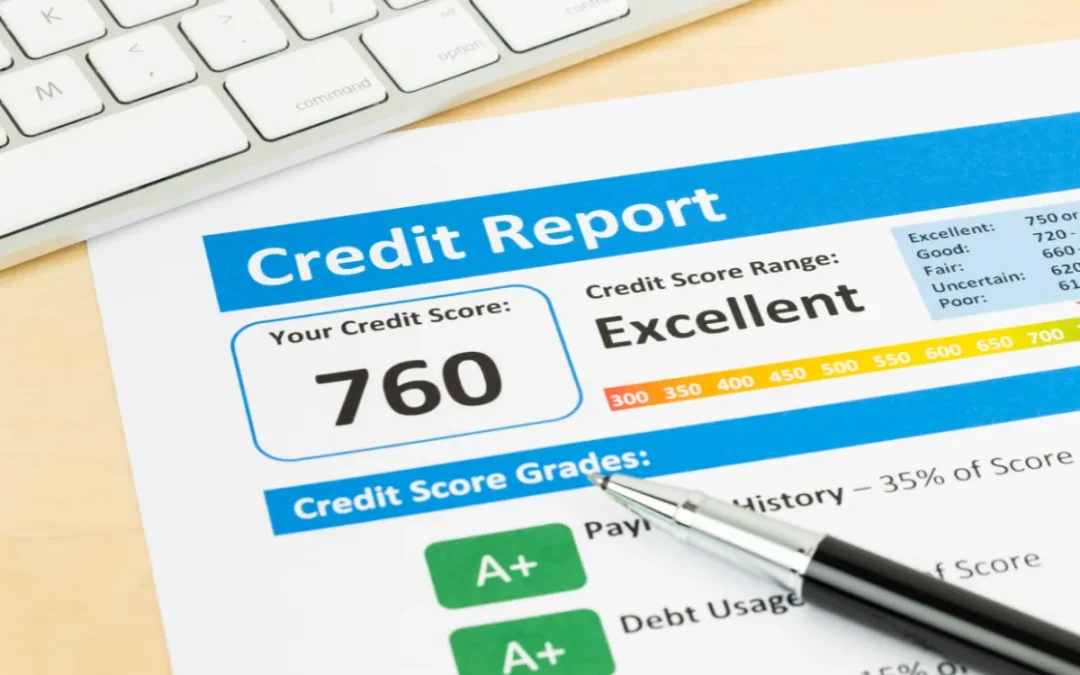
Are you in a tight spot with your credit score and wondering how to bounce back? With numerous credit repair companies in Florida promising quick fixes, it’s easy to get lost in the myriad of options available. However, it's essential to know that credit restoration isn't a one-size-fits-all situation.
It's either credit repair companies in Florida or credit counseling in Florida. In this blog, we’ll examine both these options to give you a clear understanding, so you can make an informed decision that aligns with your unique financial situation.
Understanding Credit Repair and Credit Counseling
Before we delve into comparing the two, let's start by understanding what each one entails. Credit repair is a process that involves identifying, disputing, and removing inaccurate items from your credit report. Agencies that provide credit repair services will guide you through this process, challenging any discrepancies and errors in your report to enhance your credit score.
On the other hand, credit counseling is a service provided by certified professionals who assess your financial situation and provide advice on managing your debt, budgeting, and improving your overall financial health. They often offer debt management plans as a solution to help you systematically pay off your debts.
Choosing Between Credit Repair and Credit Counseling
Now that you understand the differences, how can you decide which approach is right for you? Here's a breakdown that can help you decide:
When to Consider Credit Repair
If your credit score is suffering due to errors or inaccuracies on your credit report, credit repair is the way to go. You may find listings for late payments that you never missed, accounts that aren't yours, or debts that you've already paid off. A professional credit repair agency can work with credit bureaus and your creditors to correct these errors and boost your credit score.
However, remember that credit repair won't help with legitimate debts. If you're behind on payments or your debts are substantial, credit repair may not be your best solution. And always be wary of agencies promising to 'wipe your slate clean' or remove accurate negative information from your credit report - this is a red flag for a scam.
When to Consider Credit Counseling
If your financial struggles are more about managing debts, budgeting, or understanding how to improve your overall financial health, credit counseling might be the right choice. Credit counselors can provide education, resources, and support to help you manage your money effectively, reduce your debt, and avoid financial pitfalls in the future. This is often a good option for those struggling with substantial debt, considering bankruptcy, or finding it challenging to make minimum monthly payments.
A Combination Approach: The Best of Both Worlds
In some situations, you might find that a combination of both services is what you need. For example, if there are inaccuracies in your credit report and you're struggling to manage your debt, employing both credit repair and credit counseling could be beneficial. However, it’s vital to conduct thorough research and consult with trusted professionals before taking this route.
Summary
Credit repair and credit counseling are both tools designed to help you regain control of your financial health. The one you choose should be based on your individual financial needs, circumstances, and goals. Remember, the best choice will always be the one that sets you up for long-term financial success.
Does your credit score need a lifeline? Credit Repair Florida is here to help! As one of the top-rated credit repair companies in Florida, we're committed to restoring your credit health. Connect with us today!
by Tim Sanders | Apr 15, 2024 | All, Credit Repair Basics & Process
Wondering how to restore credit online but not sure how to? In today's digital age, the power to restore credit is at your fingertips. Whether you're aiming to secure a better interest rate on a loan or improve your financial health, repairing and restoring your credit online can be a simple process. Follow this step-by-step guide to take control of your credit journey from the comfort of your own home.
Step 1: Check Your Credit Reports
The first step towards repairing your credit online is to obtain a copy of your credit reports. You're entitled to one free report from each of the three major credit bureaus (Equifax, Experian, and TransUnion) every year. Go to AnnualCreditReport.com to access your reports. Review them thoroughly for errors, such as incorrect accounts or late payments. If you spot any discrepancies, file a dispute with the respective credit bureau.
Step 2: Create a Plan for Improvement
Now that you have a clear picture of your credit status, it's time to develop a plan for improvement on how to restore credit. Identify the negative factors impacting your score, such as late payments, high credit card balances, or accounts in collections. Decide what specific actions you can take to address these issues and boost your credit score.
If needed, consider enlisting the assistance of a reputable credit repair company like Credit Repair of Florida to help in devising an effective plan.
Step 3: Pay Your Bills on Time
One of the most significant factors influencing your credit score is your payment history. Set up automatic payments or reminders for your bills to ensure you never miss a due date. Paying your bills on time consistently will have a positive impact on your credit score over time.
Step 4: Reduce Credit Card Balances
High credit card balances relative to your credit limit can hurt your credit score. Aim to keep your credit card balances below 30% of your available credit. Consider creating a budget to manage your spending and allocate funds towards paying down your credit card balances.
Step 5: Debt Consolidation and Payment Negotiation
If you have multiple debts with high-interest rates, consider debt consolidation. This involves taking out a single loan to pay off multiple debts, simplifying your payments, and potentially lowering your interest rate.
Additionally, some creditors may be open to negotiating payment plans or settling for a lower amount. Reach out to them to discuss your options.
Step 6: Use Secured Credit Cards
If your credit history is limited or damaged, secured credit cards can be a valuable tool for rebuilding your credit. These cards require a security deposit, which also acts as your credit limit. Use the card responsibly by making small purchases and paying them off in full each month to demonstrate responsible credit use.
Step 7: Avoid Opening Multiple New Accounts
While diversifying your credit can be beneficial, opening too many new accounts in a short period can negatively impact your credit score. Each new credit inquiry can temporarily lower your score, so be selective and avoid unnecessary applications.
Step 8: Monitor Your Progress
As you work towards repairing your credit, keep a close eye on your progress. Many online tools and apps offer free credit monitoring services that allow you to track changes in your credit score and receive alerts about significant developments. Monitoring your progress helps you stay motivated and ensures you're on the right track.
Step 9: Be Patient and Persistent
Improving your credit score is not an overnight process. It takes time for positive actions to reflect in your score. Be patient and stay persistent in your efforts. Stick to your plan, continue making responsible financial choices, and over time, you'll see the fruits of your labor in the form of an improved credit score.
Summary
Repairing your credit online might seem daunting, but with the right approach and dedication, it's entirely achievable. By following these simple steps and remaining committed to responsible financial habits, you can take control of your credit score and pave the way for a brighter financial future.
Wondering how to restore credit online but not sure where to start? Why not consider seeking guidance from Credit Repair of Florida, a reliable credit repair company committed to assisting you on the path to credit recovery and improvement? Contact us today for more information about our services.
by Tim Sanders | Apr 15, 2024 | All, Financial Literacy & Credit Habits
Embarking on life's journey brings a series of financial responsibilities and decisions. As a millennial, you may find yourself grappling with financial hurdles such as student loans, credit card debts, and the need to save for future goals. Coupled with these demands, past financial missteps might have left your credit score in less-than-perfect shape. If you find yourself in this situation, it's important to remember that it is not the end of the road.
In this guide, we will explore some easy-to-follow yet practical tips to help you restore your credit and establish a solid foundation for financial stability. Let’s get started.
Once you’re done reading this blog, don’t forget to check out Credit Repair Florida, the best credit repair in Orlando Florida.
1.Understand Your Credit Score
Before you start repairing your credit score, you need to understand what it is. Your credit score is a numerical representation, typically consisting of three digits, that provides lenders with an indication of your reliability. A low credit score might stop you from getting that dream apartment or low-interest loan. Aim to get your score above 700. A credit score below 600 needs work. You can check your credit score for free once a year from each of the three major credit bureaus – Experian, Equifax, and TransUnion.
2. Check Your Credit Reports
Once you have obtained your credit score, the next step is to access your credit reports. You can get one free report each year from each credit bureau. A credit report provides a comprehensive overview of your credit activities, including details about your loans, credit cards, and payment history.
Take the time to carefully review each line of your report and look for any errors. Even minor mistakes can have a detrimental effect on your credit score, so it's crucial to be thorough in your examination.
3. Dispute Errors
If you come across an error on your credit report, there's no need to panic. You have the right to dispute it and take necessary steps for resolution. Begin by writing a letter to the credit bureau that issued the report. Clearly explain the mistake and provide supporting documentation that substantiates your claim.
The credit bureau is obligated to initiate an investigation into the disputed items, typically within a timeframe of around 30 days. Should they acknowledge the error, they will proceed to correct your report accordingly. That can boost your credit score.
4. Pay Your Bills On Time
After assessing your credit report, the next step is to be proactive and prevent low credit scores. One effective method is ensuring timely payment of all your bills. Late payments are documented on your credit report and can have a lasting impact for up to seven years. To stay organized and maintain a positive payment history, consider setting reminders or using auto-payments to demonstrate your reliability to lenders.
5. Reduce Your Debt
Although it may be challenging, reducing your debt is crucial for credit repair. Develop a plan and focus on tackling high-interest debts first. Whenever possible, make payments larger than the minimum amount required, as this will save you money in the long run.
6. Maintain Low Credit Card Balances
Credit bureaus assess your credit utilization ratio, which reflects how much of your available credit you are using. It's recommended to keep this ratio below 30%. For example, if your credit limit is $1000, strive to keep your balance under $300. This can positively impact your credit score.
7. Minimize New Credit Applications
Every time you apply for new credit, a hard inquiry is recorded on your credit report. Having too many hard inquiries can lower your credit score. To prevent unnecessary credit score reductions, only apply for new credit when it is genuinely needed.
8. Build a Strong Credit History
Lastly, if your credit history is limited or non-existent, consider options such as obtaining a secured credit card or a credit-builder loan. It's crucial to make timely payments consistently. With patience and diligence, you can establish a solid credit history over time.
Summary
Remember, credit repair is a journey, not a sprint. It takes time. By following the steps mentioned above, you can gradually improve your credit score.
Looking to repair your credit score and unlock new financial opportunities? Credit Repair Florida is here to help! As the best credit repair in Orlando Florida, we're committed to restoring your credit health. Connect with us today!
by Tim Sanders | Apr 15, 2024 | All, Loans, Mortgages & Major Purchases
Buying a home is one of the biggest financial decisions most people will make—but for those with credit challenges, the road to mortgage approval can feel overwhelming. Lenders rely heavily on your credit score and credit history when evaluating mortgage applications. If your credit isn’t where it needs to be, it doesn’t mean you’re out of options—it just means you need a plan.
From understanding your credit report to managing debt and improving your credit score, this article will walk you through key steps to prepare for a successful mortgage application. We’ll also explore how credit-related factors like utilization, inquiries, and payment history influence the loan process—and what you can do to strengthen your chances of approval.
Introduction to Mortgage Loan Approval
Securing mortgage loan approval is a pivotal milestone in the journey to homeownership. One of the most influential factors in this process is your credit score, which lenders use to assess your creditworthiness and determine the interest rates you’ll be offered. Elements such as payment history, credit utilization ratio, and credit mix all contribute to your overall credit profile and play a significant role in mortgage approval. Regularly reviewing your credit reports and working with credit repair companies can help you identify and correct errors that may be holding your score back. However, building a strong credit score also requires developing good financial habits, like making timely payments and keeping debt levels low. By focusing on these areas, you can improve your chances of qualifying for a mortgage with more flexible credit requirements and favorable loan terms.
Understanding the Mortgage Approval Process
The mortgage approval process consists of several key steps, including pre-approval, submitting a formal application, and undergoing underwriting. At each stage, your credit score is a critical factor that lenders use to evaluate your ability to repay the loan. Most mortgage lenders require a minimum credit score for approval, and achieving higher credit scores can unlock more favorable loan terms, such as lower interest rates and reduced down payment requirements. To prepare for this process, it’s essential to review your credit reports from the three major credit bureaus—Experian, Equifax, and TransUnion—to ensure all information is accurate and up to date. By understanding how your credit score impacts mortgage approval and taking steps to strengthen your credit, you can improve your chances of securing the best possible loan terms.
Assessing Your Credit Report
Taking a close look at your credit report is a vital part of the credit repair process and an important step toward mortgage approval. Your credit report contains detailed information about your payment history, credit accounts, and credit inquiries—all of which influence your credit scores. Mistakes or outdated information on your credit report can lower your score and hurt your chances of getting approved for a mortgage. That’s why it’s important to review your credit reports regularly and dispute any inaccuracies with the respective credit bureau. By ensuring your credit report accurately reflects your financial behavior, you can position yourself for better loan terms, lower interest rates, and more flexible credit requirements. Understanding your credit report also helps you identify areas for improvement, so you can develop a strategy to maintain a healthy credit profile.
Maintain a Clear Credit Report and History
Before extending you a loan, a lender will frequently review or refer to your credit record. If your credit score is greater than 650, your credit history should be spotless. Late payments can significantly lower your credit score and may remain on your report for years, so it is important to address them promptly. Additionally, before you apply for a home loan, you must correct any errors in your report. Negative information such as bankruptcies or foreclosures can have a long-term impact on your credit report and affect your ability to secure loans. This can be done by regularly reviewing your credit history and credit information report (CIR) with the help of a credit repair professional. Filing disputes with the credit bureaus is essential to correct inaccuracies and improve your creditworthiness. A credit repair professional can help you repair credit by addressing negative marks and guiding you through the dispute process. To maintain a good credit history, you should ideally never be late on a payment and pay all of your credit card and EMI balances on time. Keeping your credit card balances low and maintaining a healthy credit utilization ratio—ideally below 30%—will also help improve your credit score.
Credit Inquiries: What You Need to Know
Credit inquiries are an often-overlooked factor that can impact your credit scores and overall credit profile. There are two types of credit inquiries: hard inquiries and soft inquiries. Hard inquiries occur when a lender checks your credit report as part of a loan or credit application, and these can temporarily lower your credit score. In contrast, soft inquiries—such as when you check your own credit report—do not affect your score. To protect your credit profile, it’s wise to limit the number of new credit applications you submit and only apply for credit when necessary. By understanding how credit inquiries work and managing them carefully, you can help maintain a healthy credit score and improve your chances of mortgage approval.
Pay Off Whatever Debt You May Have
When you apply for a home loan, your debt-to-income ratio will be carefully examined by lenders to decide whether or not you can afford to buy a property. As a general guideline, you must have a debt-to-income ratio of less than 43% to be eligible to buy a home. The lower the ratio, the better. Reducing your outstanding debts is crucial to improving your creditworthiness and increasing your chances of loan approval.
Paying off previous debt, such as credit card debt, personal loans, school loans, collection account, auto loans, and other lines of credit you may have taken out, is an important step toward lowering your debt-to-income ratio. Demonstrating financial responsibility by effectively managing and paying down your debts can have a positive impact on your mortgage application.
Reducing debt and managing your finances not only helps with loan approval but also contributes to your overall financial health.
Maintain Job Stability
Before granting you a mortgage, lenders will want to know whether your job is stable. Banks and other financial organizations look into your employment history to avoid fraud. Additionally, it inspires trust in the lender that you will be able to pay back the loan balance in the future. Job stability not only reassures lenders but also contributes to your long term financial stability, supporting your ability to consistently maintain mortgage payments. As proof that you have a stable job, you will be required to provide your most recent month’s pay stubs as well as prior years’ income tax returns to banks and other financial institutions. Financial stability is crucial for both lenders and borrowers throughout the mortgage approval process.
Have Cash in Hand
These days, lenders request a down payment for the loan amount. To ensure that you are ready, always have cash on hand when you enter a lender’s office. Maintaining available credit is also important, as using less than 30% of your available credit can improve your credit score and help you save more effectively for a down payment. Every lender has a different set of requirements for a down payment but some request cash. If you are working to build or rebuild your credit while saving, consider using secured credit cards as a tool. A secured credit card requires a security deposit, which acts as collateral and determines your credit limit, helping you establish or improve your credit history. Expect a down payment of at least 3.5% of the overall cost.
How Credit Scores Affect Mortgage Interest Rates
Your credit score has a direct impact on the mortgage interest rates you’re offered by lenders. Borrowers with higher credit scores are typically rewarded with lower interest rates, which can translate into substantial savings over the life of a home loan. A good credit score can also open the door to more flexible loan terms, such as lower down payments and more favorable repayment options. To take advantage of these benefits, it’s important to prioritize credit repair and adopt good financial habits, like making timely payments and reducing outstanding debt. Regularly reviewing your credit reports and working to maintain a strong credit score can help you qualify for better loan terms and save thousands of dollars in interest payments. By staying proactive about your credit health, you’ll be well-positioned to secure the best possible mortgage rates.
Summary
Despite the fact that applying for a home loan may seem challenging, don’t be concerned. Achieving mortgage approval and improving your credit requires consistent effort and requires consistent effort over time. Practicing responsible financial habits and responsible financial behavior is essential for maintaining a healthy credit profile. Building a positive credit history should be a long-term goal, as a higher credit score can open up better mortgage opportunities, while a low credit score may limit your options. Remember to avoid opening new credit accounts before applying for a mortgage, as this can impact your eligibility. Regularly obtain your free annual credit report and free credit report to monitor your credit health and check for errors. Monitoring your FICO scores is also an important part of the credit repair journey. If you want your home loan to get approved quickly, strictly abide by the guidelines listed above, or learn more about how to increase your credit score quickly and buy your first house. If you need help raising your credit score to qualify for a mortgage, get in touch with a professional credit repair company like Credit Repair Florida.
Frequently Asked Questions
Q1: What credit score is needed to get approved for a mortgage?
Most conventional mortgage lenders look for a minimum credit score of 620, while FHA loans may approve applicants with scores as low as 580. However, higher credit scores typically result in better interest rates and loan terms.
Q2: Can I get a mortgage with bad credit?
It’s possible to qualify for certain loan programs, such as FHA or VA loans, even with a lower credit score. However, improving your credit through responsible habits or working with credit repair services may improve your chances and help you secure more favorable loan terms.
Q3: How long does credit repair take before applying for a home loan?
The time needed to improve your credit report depends on your specific profile. Many people see progress within 3–6 months, especially if they are addressing inaccuracies, paying down debt, and avoiding late payments.
Q4: Do mortgage lenders look at all three credit reports?
Yes. Most mortgage lenders pull a tri-merge credit report, which includes data from Equifax, Experian, and TransUnion. They typically use the middle credit score of the three for decision-making.
Q5: Can credit inquiries affect my mortgage approval?
Yes. Hard credit inquiries can slightly lower your credit scores and may signal financial stress if too many are made in a short period. It’s best to avoid applying for new credit accounts right before or during the mortgage approval process.
Q6: How can credit repair companies help with mortgage preparation?
Credit repair companies can help by reviewing your credit report, identifying and disputing inaccurate items, and offering credit solutions to improve your credit health. While they can’t guarantee mortgage approval, they can assist in strengthening your profile over time.
by Tim Sanders | Apr 9, 2024 | All, Credit Repair Basics & Process
Whether done through DIY methods or professional credit repair services, credit repair is a critical aspect of personal finance for anyone looking to boost their credit score and improve their financial standing. You can enjoy many benefits with the correct credit score, including more accessible loan and credit card approvals, lower interest rates, and more.
In this comprehensive guide, we will delve into the key differences between DIY credit repair and professional credit repair services and provide you with all the information you need to decide which approach is best for your unique circumstances.
What Are Professional Credit Repair Services?
Professional credit repair services involve hiring a company to handle the credit repair process on your behalf. These companies employ trained professionals knowledgeable about credit reporting laws, credit scores, and the dispute process. They typically offer various services, such as disputing errors on credit reports, negotiating with creditors, and providing education and support to clients.
Pros of Professional Credit Repair Services
- Expertise: Professional credit repair services have years of experience and knowledge about credit repair.
- Saves Time: The credit repair company handles all the legwork, freeing up your time and effort.
- Access to Resources: Professional credit repair services have access to specialized software and databases that make dispute errors faster and more effective.
Cons of Professional Credit Repair Services
- Cost: Professional credit repair services can be expensive.
- Lack of Control: You give up control of the process to the credit repair company.
- Risk of Scams: Some credit repair companies are scams and may harm your credit score more than good.
What Is DIY Credit Repair?
DIY credit repair involves taking a hands-on approach to credit repair. Instead of hiring a company, individuals handle the process by obtaining copies of their credit reports, identifying errors, and disputing them directly with the credit bureaus or creditors. Some individuals also use credit repair software or other tools to help them.
Pros of DIY Credit Repair
- Cost-Effective: DIY credit repair is free or significantly less expensive than professional credit repair services.
- Empowers You: You have complete control over the process and can take charge of your financial situation.
- Provides Education: The process of DIY credit repair can help you learn about credit scores and reports and how to improve them.
Cons of DIY Credit Repair
- Time-Consuming: The credit repair process requires significant time and effort.
- Lack of Resources: You may need access to the same tools and resources as professional credit repair services.
- Requires Knowledge: You need to understand credit scores and reports and the credit repair process to complete the process successfully.
Which One Should You Choose?
Professional credit repair services may be the best choice if you are looking for a comprehensive and effective solution to credit repair.
By enlisting the help of a reputable credit repair company, you can tap into their specialized knowledge, years of experience, and extensive resources, streamlining the credit repair process and optimizing results.
When selecting a professional credit repair company, do extensive research to ensure you receive the highest level of service and achieve your desired credit improvement goals.
Summary
Credit repair is a vital aspect of maintaining good financial health. While DIY and professional credit repair services have unique advantages and disadvantages, if you're looking for a reliable solution, a professional credit repair service is the way to go.
Are you looking to improve your credit score and financial standing? Credit Repair Florida offers professional credit repair services to help you reach your goals. With years of experience and a team of experts, we are dedicated to providing you with the best possible service. Contact us today for a consultation!