Many consumers worry that simply checking their credit score will lower it, preventing them from monitoring their financial health. This common misconception leads people to avoid checking their credit scores, making it harder to track their progress and detect errors. However, not all credit checks have the same effect. Understanding how different types of inquiries impact your score is essential for maintaining good credit habits and making informed financial decisions.
Regularly reviewing your credit score is a key part of restoring your credit and ensuring accuracy in your credit report. While some credit inquiries can temporarily lower your score, others have no effect at all. Knowing when and how to check your score safely can help you stay in control of your financial future. In this blog, we’ll explore the differences between hard and soft inquiries, debunk myths about credit score checks, and discuss how credit repair companies and credit repair services can help protect and improve your credit.
1. Understanding How Credit Scores Work
A credit score is a three-digit number that represents your creditworthiness, helping lenders assess your ability to manage debt responsibly. It is based on your financial behavior and history, which are recorded in your credit report. A strong credit score increases your chances of getting approved for loans, credit cards, or mortgages, while a poor score can limit your financial opportunities.
To fully understand how your credit score is calculated, let’s break down the five primary factors that impact it. Each component plays a role in shaping your overall creditworthiness and determining whether lenders see you as a high or low-risk borrower.
1.1 Payment History (35%) – The Most Important Factor
Your payment history is the most significant factor influencing your credit score. Lenders want to know if you pay your bills on time because consistent, timely payments demonstrate financial responsibility. Late or missed payments can significantly impact your credit score, making it difficult to secure loans or obtain favorable interest rates.
Key aspects of payment history:
On-time payments: Regular payments on credit cards, loans, and mortgages boost your score.
Late payments: Payments that are 30 days or more past due can lower your score and remain on your credit report for up to seven years.
Charge-offs and collections: Accounts that go unpaid for a long period may be sent to collections, severely damaging your credit score.
Bankruptcies and foreclosures: These major negative items can impact your score for several years, limiting your ability to secure new credit.
Credit utilization refers to how much of your available credit you are using. It is calculated as a percentage by dividing your total credit card balances by your total credit limits. Lenders prefer borrowers who maintain low credit utilization, as it indicates financial stability.
For example:
If you have a total credit limit of $10,000 and your balance is $3,000, your utilization rate is 30%.
If your balance increases to $5,000, your utilization rate rises to 50%, which can negatively impact your credit score.
How to maintain a healthy credit utilization rate:
Keep utilization below 30% for the best impact on your credit score.
Pay off credit card balances in full each month to lower utilization.
Request a credit limit increase to improve your utilization ratio.
Avoid maxing out credit cards, as high balances signal financial risk to lenders.
1.3 Length of Credit History (15%) – The Age of Your Credit Accounts
The length of your credit history plays a key role in your credit score. It considers the average age of all your credit accounts, with older accounts demonstrating long-term responsible borrowing. Lenders view borrowers with a longer credit history as less risky compared to those with newly opened accounts.
Factors affecting your credit history:
Oldest account age: The longer your oldest credit account has been open, the better it is for your score.
Average account age: The longer your overall credit history, the stronger your credit score.
New credit accounts: Opening too many new accounts at once can reduce your average account age.
Ways to improve your credit history:
Avoid closing old credit card accounts, even if you no longer use them. Keeping them open increases your account age.
Use older credit cards occasionally to keep them active and prevent automatic closure by the issuer.
Apply for new credit only when necessary to avoid reducing the average age of your accounts.
1.4 New Credit Inquiries (10%) – The Effect of Credit Applications
Whenever you apply for a new credit card, mortgage, or loan, the lender checks your credit report, resulting in a hard inquiry. While a single hard inquiry has a minor impact on your credit score, multiple inquiries within a short period can raise red flags for lenders.
Types of credit inquiries:
Hard inquiries: These occur when you apply for new credit. Too many hard inquiries in a short period can lower your score.
Soft inquiries: Checking your own credit score, employer background checks, or pre-approved credit card offers do not affect your score.
To minimize the impact of hard inquiries:
Space out credit applications to avoid multiple inquiries in a short period.
Use rate shopping windows (such as for auto or mortgage loans) where multiple inquiries within 14-45 days count as one.
Monitor your credit report to ensure inquiries are legitimate. Unauthorized hard inquiries should be disputed with the credit bureaus.
1.5 Credit Mix (10%) – The Variety of Your Credit Accounts
A diverse credit profile can improve your credit score because it demonstrates your ability to manage different types of credit responsibly. A good credit mix includes:
Revolving credit (credit cards, retail cards, and lines of credit).
Installment credit (mortgages, auto loans, student loans, and personal loans).
Lenders prefer borrowers who successfully manage multiple forms of credit. For example, having both a credit card and an auto loan can be better for your credit score than having only one type of credit account.
Best practices for managing credit mix:
Avoid opening unnecessary credit accounts just to diversify your profile.
Use existing credit responsibly to show good financial habits.
Consider adding a small installment loan, such as a secured credit-builder loan, if you only have revolving credit.
A strong credit mix, combined with good credit habits, helps build a solid financial foundation. If you are struggling with a limited credit history, services like Rental Kharma can help by reporting your rent payments to the credit bureaus.
2. Hard vs. Soft Inquiries: What’s the Difference?
When you check your credit score or apply for new credit, lenders perform credit inquiries to assess your financial reliability. However, not all inquiries impact your credit scores the same way. There are two types of inquiries: hard inquiries and soft inquiries. Understanding the difference between these inquiries is essential to maintaining good credit habits and avoiding unnecessary credit score drops.
2.1 Hard Inquiries: When They Happen and How They Impact Credit Scores
Hard inquiries (also called "hard pulls") occur when a lender or creditor checks your credit report to determine your eligibility for a loan, credit card, mortgage, or other forms of financing. These inquiries signal to lenders that you are seeking new credit, and too many hard inquiries in a short period can negatively impact your credit score.
Common Situations Where Hard Inquiries Occur:
Applying for a credit card – Every time you apply for a credit card, the issuer checks your credit report, resulting in a hard inquiry.
Mortgage applications – Lenders perform a hard inquiry when evaluating your eligibility for a home loan. This is a critical step in credit repair for mortgage approval.
Auto loan applications – Car dealerships and lenders check your credit before approving financing for a vehicle purchase.
Personal and business loan applications – Banks and financial institutions verify your credit score before issuing loans.
Apartment or rental applications – Some landlords conduct hard inquiries before approving rental applications, particularly for high-end properties.
How Hard Inquiries Affect Your Credit Score
Each hard inquiry may lower your credit score by a few points, typically 5 to 10 points.
If you apply for multiple credit cards or loans in a short period, the cumulative effect can be more significant.
Hard inquiries remain on your credit report for two years, but their impact on your credit scores typically fades after 12 months.
2.2 Soft Inquiries: How They Work and Why They Do Not Impact Credit Scores
Unlike hard inquiries, soft inquiries (or "soft pulls") do not affect your credit scores. These inquiries happen when you or a company checks your credit report for informational purposes rather than credit approval. Soft inquiries do not indicate that you are actively seeking new credit, so they do not impact your borrowing ability.
Common Situations Where Soft Inquiries Occur:
Checking your own credit score – Reviewing your credit through online platforms or credit repair services is a soft inquiry.
Pre-approved credit card offers – When banks or lenders send you credit card offers, they perform a soft inquiry to determine eligibility.
Employer background checks – Some employers review credit reports as part of their hiring process.
Rental applications (sometimes) – Some landlords conduct soft inquiries instead of hard ones when verifying tenant creditworthiness.
Financial planning consultations – Mortgage brokers, financial advisors, and credit repair companies may check your credit score before giving recommendations.
Since soft inquiries do not impact credit scores, you can check your own credit report as often as needed without fear of hurting your credit score. This is a vital step in restoring your credit and ensuring all information in your credit report is accurate.
2.3 Key Differences Between Hard and Soft Inquiries
Checking your own score, pre-approved credit offers, employer checks
2.4 How to Minimize the Impact of Hard Inquiries
While soft inquiries have no effect on credit scores, hard inquiries require careful management to avoid unnecessary score reductions. Here are some tips:
Limit credit applications – Apply for credit only when necessary. Too many hard inquiries can make lenders view you as a high-risk borrower.
Use rate shopping wisely – When applying for a mortgage or auto loan, multiple inquiries within a short period (typically 14-45 days) count as one inquiry, reducing the impact.
Monitor your credit regularly – Checking your own credit score does not hurt your credit report, so review it frequently to ensure accuracy.
Work with a credit repair company – If you have too many inquiries, credit repair services can guide you on managing applications and disputing unauthorized inquiries.
3. Do Credit Checks Lower Your Score?
Many people hesitate to check their credit score out of fear that it will lower their score. This common misconception prevents individuals from monitoring their financial health and taking steps toward restoring your credit. However, not all credit checks negatively impact your credit report. Understanding the difference between soft and hard inquiries is essential to maintaining good credit habits while avoiding unnecessary score reductions.
3.1 Myth vs. Fact: Checking Your Own Credit Score Does NOT Lower It
A widely believed myth is that checking your credit score will hurt your credit report. However, this is not true when you check your own score through a credit repair blog, financial institution, or monitoring service. These types of inquiries are called soft inquiries, and they do not affect your credit scores in any way.
Why Checking Your Own Score is Beneficial:
Helps in restoring your credit – Regular monitoring ensures you catch errors early and dispute inaccuracies.
Builds awareness – Understanding your credit report helps you make informed financial decisions.
Allows tracking progress – Seeing changes in your credit score over time lets you measure the impact of credit repair services and financial habits.
Soft inquiries occur when you or a company checks your credit score for non-lending purposes. These inquiries are completely safe and necessary for good credit habits.
3.2 How Credit Repair Companies Use Soft Inquiries for Credit Repair Services
When individuals seek credit repair services, professionals often perform a soft inquiry to assess the client’s financial situation. Unlike hard inquiries, soft inquiries do not signal to lenders that a borrower is actively seeking credit.
Initial Credit Analysis – Before offering credit repair services, companies need to examine a client’s credit report to identify issues.
Monitoring Credit Progress – Top credit repair companies track a client’s score through credit monitoring services like Smart Credit and Identity IQ over time to evaluate improvements.
Pre-Approval Assessments – Some lenders and credit repair Florida services use soft inquiries to determine loan eligibility without impacting credit scores.
3.3 Why Multiple Hard Inquiries in a Short Period Can Temporarily Lower Your Credit Scores
Unlike soft inquiries, hard inquiries occur when lenders review your credit report for loan approvals. While a single hard inquiry may only lower your credit score by a few points, multiple inquiries within a short period can have a more noticeable impact.
Situations That Trigger Hard Inquiries:
Applying for multiple credit cards at once – Each credit card application results in a separate hard inquiry.
Seeking multiple personal or business loans – Lenders conduct hard inquiries to evaluate borrower risk.
Shopping for a mortgage or auto loan without a strategy – If inquiries are not grouped correctly, they can be counted separately.
How Hard Inquiries Affect Your Credit Score:
A single hard inquiry lowers your score by 5-10 points – The effect is temporary but still relevant.
Multiple hard inquiries can lower scores further – Several inquiries in a short time signal financial risk to lenders.
Hard inquiries stay on your report for two years – Their impact lessens over time, but they remain visible.
3.4 Managing Hard Inquiries to Minimize Credit Score Damage
To maintain good credit habits, borrowers should be mindful of when and how they apply for new credit. Applying strategically ensures that hard inquiries do not unnecessarily lower credit scores.
Tips to Reduce the Impact of Hard Inquiries:
Space out credit applications – Avoid submitting multiple applications within a short period.
Use loan shopping windows wisely – Mortgage and auto lenders often treat multiple inquiries within 14-45 days as one inquiry.
Seek pre-approvals – Pre-approval processes often use soft inquiries, which do not affect credit scores.
4. How Credit Repair Companies Help Protect Your Score
Maintaining a strong credit score requires more than just responsible financial habits. Unauthorized hard inquiries can appear on a credit report due to errors or fraudulent activity, negatively impacting scores. This is where credit repair companies play a crucial role in protecting consumer credit. These professionals assist in identifying unauthorized inquiries, disputing them with credit bureaus, and ensuring that financial records remain accurate.
4.1 Professional Credit Repair Services Help Dispute Inaccurate Hard Inquiries
One of the primary functions of credit repair services is to dispute inaccurate hard inquiries. Many consumers are unaware that errors in their credit report can lower their credit score, making it difficult to obtain loans or qualify for better interest rates. A professional credit repair company follows a structured process to remove incorrect inquiries.
How Credit Repair Companies Dispute Hard Inquiries:
Credit Report Review – Experts carefully examine a client’s credit report for errors, including unauthorized hard inquiries.
Verification with Credit Bureaus – They contact Experian, Equifax, and TransUnion to verify whether the inquiry was authorized.
Submitting Dispute Letters – Formal dispute letters are sent to the bureaus requesting the removal of inaccurate inquiries.
Following Up on Requests – Credit repair professionals track the dispute process and ensure timely corrections.
4.2 How Credit Repair Orlando and Credit Repair Florida Assist Clients with Removing Unauthorized Inquiries
Many residents in Orlando and Florida turn to professional credit repair companies for assistance with credit disputes. Whether dealing with fraudulent inquiries or outdated records, Credit Repair of Florida specialists provide customized solutions.
Key Benefits of Working with Local Credit Repair Experts:
In-Depth Knowledge of Local Credit Laws – Florida has specific consumer protection laws that govern credit reporting and dispute processes.
Personalized Credit Repair Strategies – Local credit repair companies tailor their approach based on an individual’s financial situation.
Quick and Effective Resolution – Working with professionals helps speed up the dispute process and ensures accurate results.
Ongoing Credit Monitoring – Many companies offer continued support, helping clients monitor their credit scores and prevent future issues.
4.3 Why Professional Credit Repair Services Matter
Unauthorized hard inquiries can lower a credit score, making it harder to qualify for loans, credit cards, or mortgages. When individuals do not take action, these inquiries remain on their credit report for two years, causing long-term damage.
By working with top credit repair companies, individuals can:
Remove errors quickly – Professionals know the dispute process and reduce delays.
Regularly checking your credit score is a crucial step in maintaining financial health. Many people avoid reviewing their credit report due to the misconception that it lowers their credit scores, but this is not true. Soft inquiries, such as checking your own credit score or using monitoring tools, do not negatively impact your rating. However, hard inquiries, such as loan applications, can temporarily lower your score, so managing them wisely is essential. Understanding these differences allows you to track your credit progress without fear while ensuring that your financial profile remains strong.
If you notice unauthorized hard inquiries or need guidance in restoring your credit, professional support can help. Credit Repair of Florida specializes in assisting clients with credit repair services, including disputing incorrect inquiries and optimizing scores. By working with trusted experts, you can take control of your credit report, correct errors, and build a strong financial future. Take the next step toward better credit today with expert guidance tailored to your needs.
FAQs: Does Checking Your Credit Score Lower It?
1. Does checking my credit score hurt my credit?
No, checking your own credit score does not lower it. Self-checks are considered soft inquiries, which do not impact your credit report or credit scores. You can safely monitor your credit using free tools or credit monitoring services without worrying about a negative effect.
2. How can I remove unauthorized hard inquiries from my credit report?
If you find hard inquiries that you did not authorize, you can dispute them with the credit bureaus. Credit repair companies, like Credit Repair of Florida, can assist in identifying and challenging these inquiries. They help ensure that only legitimate inquiries remain on your credit report, protecting your credit score.
3. How often should I check my credit score?
You should check your score at least once a month to track your financial health and identify potential errors. Many credit monitoring services offer free monthly reports without affecting your credit scores. Keeping an eye on your score helps you develop strong credit habits and avoid issues before they become problems.
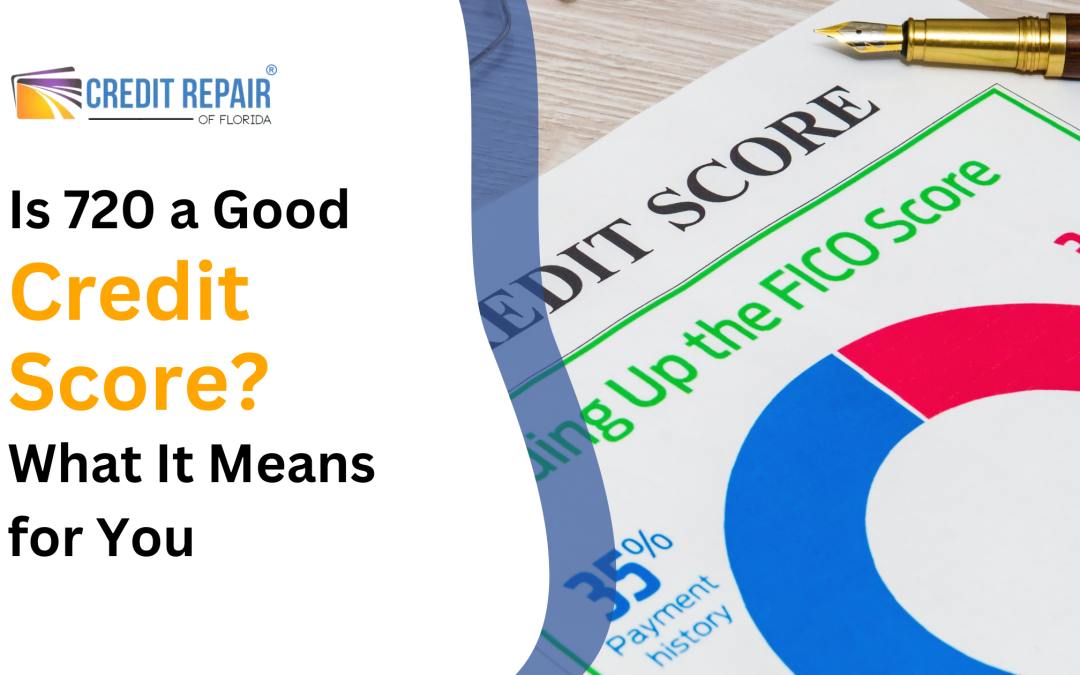
Having good credit is essential for financial stability, and a 720 credit score falls within the "good" range of most credit scoring models. While this score opens doors to competitive loan offers and favorable interest rates, it may not always be enough for the best terms. Understanding where a 720 credit score stands and how it impacts your financial opportunities is crucial for making informed credit decisions. Whether you are looking to secure a mortgage, finance a car, or apply for premium credit cards, knowing how lenders view this score can help you plan your next steps effectively.
A credit score of 720 is a strong indicator of responsible financial behavior, but there is always room for improvement. If you want to qualify for the lowest interest rates and the best lending terms, maintaining good credit habits is key. Monitoring credit scores, keeping credit utilization low, and making on-time payments all contribute to financial health. Additionally, if there are any inaccuracies or negative marks on your credit report, working with credit repair companies or using credit repair services can help optimize your credit profile. In this blog, we will explore the advantages of a 720 credit score, how it compares to other credit score ranges, and what steps you can take to maintain or improve it.
2. What a 720 Credit Score Can Get You
A 720 credit score is widely considered a good credit score, giving you access to favorable financial opportunities. Lenders view borrowers in this range as responsible with credit, making it easier to qualify for loans and credit lines. However, while a 720 credit score is strong, it may not always guarantee the lowest interest rates or the most premium lending terms. Understanding what a 720 credit score can get you helps you make smarter financial choices and leverage your credit to your advantage.
Loan Approvals: Mortgage, Auto Loans, and Personal Loans
One of the primary benefits of having a good credit score is easier access to various types of loans. Lenders use credit scores to assess risk and determine approval for mortgages, auto loans, and personal loans.
Mortgage Approval: A 720 credit score generally meets the minimum requirement for conventional mortgage loans. However, the best mortgage rates are typically reserved for those with scores of 740 or higher. With a 720 credit score, you may still qualify for competitive rates but could save thousands over time by improving your score even further.
Auto Loan Financing: A credit score of 720 makes it easier to finance a car at favorable terms. Most lenders offer low-interest auto loans to borrowers in this range, though the exact rate depends on other factors like income, down payment, and loan duration.
Personal Loan Eligibility: A strong credit score of 720 increases your chances of approval for personal loans with low fees and flexible repayment options. Lenders feel confident in offering favorable terms to borrowers with good credit habits, reducing overall borrowing costs.
Interest Rates and Loan Terms for a 720 Credit Score
A credit score of 720 qualifies you for lower interest rates than someone with a fair credit score but may not secure the absolute lowest rates. Many lenders reserve their most competitive offers for borrowers with excellent credit (typically 750+). However, a good credit score like 720 still provides significant financial advantages.
Lower Interest Rates: Compared to borrowers with lower credit scores, those with a 720 credit score can access loans with reduced annual percentage rates (APRs).
Higher Credit Limits: Many lenders offer higher borrowing limits to those with good credit scores, allowing for increased purchasing power.
Better Loan Repayment Terms: With a 720 credit score, you may qualify for longer loan repayment terms without excessively high fees or penalties.
To maximize the benefits of a good credit score, consider improving your score beyond 720 to access premium financial products. If your score is lower than expected due to errors or negative marks, working with credit repair companies or using credit repair services can help you optimize your profile.
Benefits of Having a Good Credit Score in Financial Decisions
A 720 credit score not only improves your ability to secure financing but also impacts other financial aspects of life. Lenders, landlords, insurance providers, and even some employers consider credit scores when making decisions.
Better Housing Opportunities: Landlords check credit reports before approving lease applications. A 720 credit score increases your chances of securing a rental without a high security deposit.
Lower Insurance Premiums: Many insurance companies use credit scores to determine rates. A good credit score can reduce car and home insurance premiums.
Easier Credit Card Approvals: A 720 credit score qualifies you for higher-tier credit cards with better rewards, cashback, and travel perks.
Understanding the benefits of a good credit score allows you to make informed financial decisions. If your goal is to further improve your credit score, maintaining good credit habits and monitoring your credit report regularly is essential.
3. How 720 Compares to Other Credit Score Ranges
A 720 credit score falls within the good credit range, making it an attractive number for lenders. However, credit scores exist on a scale, and where your score falls determines your financial opportunities. Understanding how a 720 credit score compares to other ranges helps you see its advantages and potential limitations. While a 720 score allows you to qualify for favorable loan terms, higher scores provide even greater benefits. On the other hand, scores below 720 can make borrowing more expensive and challenging.
Breakdown of Credit Score Ranges
Credit scores typically range from 300 to 850, with different levels representing varying levels of risk to lenders. Here is a breakdown of the standard FICO score ranges:
Poor (300-579): Borrowers in this range struggle to get approved for loans. If they qualify, they often face high interest rates, strict terms, and security deposits.
Fair (580-669): Consumers with a fair credit score may qualify for some loans, but they usually pay higher fees and higher interest rates. Many credit cards in this range have limited rewards and higher annual fees.
Good (670-739): A 720 credit score falls within this category, meaning borrowers qualify for better interest rates, credit cards, and loan terms.
Very Good (740-799): This range provides even better loan terms, with access to low-interest rates, premium credit cards, and higher credit limits.
Excellent (800-850): Consumers in this range receive the best financial opportunities, including the lowest mortgage rates, highest credit limits, and best credit card perks.
A 720 credit score sits near the top of the good credit range, meaning you already qualify for solid lending options. However, you may not receive the absolute best loan rates or credit card rewards available to those with scores above 740.
Advantages and Disadvantages of a 720 Credit Score Compared to Other Ranges
While a 720 credit score provides significant financial advantages, understanding its limitations can help you make strategic financial improvements.
Advantages of a 720 Credit Score:
Loan Approvals: Most lenders approve mortgages, auto loans, and credit cards with a 720 credit score, provided you meet other financial requirements.
Lower Interest Rates: A good credit score allows borrowers to secure lower interest rates compared to those with fair or poor credit.
Higher Credit Limits: Lenders offer higher credit limits to borrowers with good credit scores, providing more financial flexibility.
Better Insurance Rates: Many insurance companies offer lower premiums for borrowers with strong credit histories.
Disadvantages of a 720 Credit Score:
Not the Best Rates: While a 720 credit score qualifies for good rates, scores above 740 provide even lower interest rates and better loan terms.
May Not Qualify for Premium Credit Cards: Some top-tier credit cards require a very good (740+) or excellent (800+) credit score for approval.
Mortgage Rates Could Be Lower: Borrowers with excellent credit scores often qualify for the lowest mortgage rates, leading to lower monthly payments.
How to Move from Good to Very Good Credit
If you want to increase your 720 credit score, improving a few key factors can help. Consider working with credit repair companies or credit repair services if you notice errors or negative items on your credit report. Here are a few strategies:
Lower Credit Utilization: Keeping balances under 30% of your credit limit can help push your score higher.
Make On-Time Payments: Payment history is 35% of your credit score, making timely payments essential.
Limit Hard Inquiries: Avoid applying for too many loans or credit cards within a short period.
Dispute Errors on Your Credit Report: Mistakes on credit reports can lower scores. Disputing inaccuracies may help boost your score faster.
A 720 credit score is strong, but moving into the very good or excellent range can open even better financial opportunities. By maintaining good credit habits, monitoring your credit report, and seeking professional help if needed, you can improve your score over time.
4. How to Maintain and Improve a 720 Credit Score
A 720 credit score is a strong financial asset, allowing borrowers to qualify for competitive loans, lower interest rates, and better credit card offers. However, maintaining and improving this score requires consistent credit habits and strategic financial decisions. While a 720 credit score is considered good credit, it does not guarantee the best loan terms or financial opportunities. Small credit mistakes can cause a drop in your score, making it essential to stay proactive and informed about your credit profile.
By practicing smart credit habits, monitoring your credit report, and avoiding common credit pitfalls, you can ensure your credit score remains strong. Whether you aim to maintain good credit or move toward excellent credit, following key financial strategies will help you protect and enhance your creditworthiness.
Best Credit Habits to Protect and Boost Your Score
Good credit habits are essential for maintaining and improving a 720 credit score. Lenders look at your financial behaviors to determine your creditworthiness, making it crucial to build and sustain responsible habits.
Make On-Time Payments – Your payment history accounts for 35% of your credit score, making timely payments the most important factor. A single late payment can lower your score and remain on your credit report for up to seven years.
Keep Credit Utilization Low – High credit utilization signals financial risk. Keeping your credit usage below 30% of your total credit limit helps maintain a healthy score.
Limit New Credit Applications – Hard inquiries from frequent credit applications can lower your credit score temporarily. Only apply for new credit when necessary.
Diversify Your Credit Mix – Having a balanced mix of credit accounts, such as credit cards, auto loans, and personal loans, demonstrates responsible credit management.
Avoid Closing Old Accounts – Keeping old credit accounts open helps maintain a longer credit history, which improves your score over time.
The Importance of On-Time Payments, Low Credit Utilization, and Credit Mix
Lenders assess three primary factors when evaluating your creditworthiness: payment history, credit utilization, and credit mix. These elements significantly influence your credit score and determine whether lenders will offer you loans with favorable terms.
On-Time Payments: Paying bills on time consistently shows financial responsibility. Late payments not only damage credit scores but also result in late fees and higher interest rates.
Low Credit Utilization: Your credit utilization ratio compares your total credit balances to your total credit limits. Keeping this ratio below 30% is recommended, but below 10% is ideal for improving your score.
Diverse Credit Mix: Lenders favor a variety of credit accounts, including credit cards, mortgages, auto loans, and personal loans. Managing different credit types responsibly strengthens your credit profile.
By focusing on these three key areas, you can protect your credit score and make yourself an attractive borrower for top lenders.
Monitoring Credit Scores and Avoiding Common Credit Mistakes
Regularly checking your credit score and credit report is essential for maintaining good credit health. Monitoring your credit allows you to detect errors, unauthorized inquiries, or fraudulent accounts before they cause significant damage. Many credit repair companies and credit repair services offer tools to help consumers track their credit scores and identify potential issues.
Use Credit Monitoring Tools – Many financial institutions provide free credit monitoring services that alert you to score changes, new accounts, and potential fraud.
Review Your Report for Errors – Inaccurate negative items, duplicate accounts, or fraudulent activity can lower your score. If you find errors, dispute inquiries and have them removed.
Common Credit Mistakes to Avoid:
Making Late Payments – Even a single late payment can drop your score significantly and remain on your credit report for years.
Maxing Out Credit Cards – High credit utilization makes lenders wary of lending to you, as it suggests financial instability.
Applying for Too Many Loans at Once – Multiple hard inquiries in a short period can lower your score and indicate credit risk to lenders.
Ignoring Credit Report Errors – Failing to dispute errors on your report can keep negative items that should not be there, harming your score.
By consistently monitoring your credit score and avoiding common mistakes, you can ensure your credit profile remains strong. Whether you want to maintain a good credit score or work toward excellent credit, being proactive in your financial decisions will help you achieve long-term stability.
5. How Credit Repair Companies Can Help Strengthen Your Score
Maintaining a good credit score requires consistent financial discipline, but sometimes unexpected challenges arise. Negative marks, credit report errors, or unresolved credit disputes can lower your credit score, making it difficult to qualify for loans, mortgages, or credit cards. In such cases, working with credit repair companies can be a strategic solution to identify, dispute, and remove inaccuracies from your credit history.
While some individuals manage their credit repair process independently, others prefer professional guidance to ensure a more effective and structured approach. Credit repair services help borrowers improve their credit scores by providing expert strategies to address negative marks and prevent future issues.
When to Seek Credit Repair Services to Address Negative Marks
There are several instances where seeking credit repair services is the best course of action. If you face any of the following challenges, it might be time to consult a credit repair company:
Inaccurate Negative Items: Errors on your credit report, such as duplicate accounts, unauthorized inquiries, or incorrect late payments, can harm your credit score. Credit repair companies specialize in identifying and disputing these inaccuracies.
Collections and Charge-Offs: Accounts sent to collections or charged off by lenders can remain on your credit report for up to seven years. Credit repair services help negotiate settlements and, in some cases, request pay-for-delete agreements.
High Credit Utilization: If credit utilization is too high, credit repair professionals can suggest credit-building strategies to balance your credit-to-debt ratio.
Denial of Credit Applications: If you are repeatedly denied loans, mortgages, or credit cards, your credit history may need attention. A credit repair company can review your profile and recommend improvements.
Recent Identity Theft or Fraud: Fraudulent accounts or unauthorized transactions can severely damage your credit score. Credit repair companies can help remove fraudulent accounts and ensure credit bureaus reflect accurate information.
When negative marks hold back your financial progress, credit repair companies can be the solution. By using legal dispute methods, negotiation strategies, and credit-building techniques, they help restore and strengthen your credit score.
How Credit Repair Companies Can Dispute Errors and Offer Credit-Building Strategies
Credit repair companies play a critical role in identifying credit report errors and taking steps to remove them legally. The process typically involves:
Credit Report Analysis – The first step is analyzing your credit report from Experian, Equifax, and TransUnion to detect errors, outdated accounts, or fraudulent activity.
Filing Disputes with Credit Bureaus – If incorrect negative items appear on your credit report, credit repair services will file disputes with the credit bureaus on your behalf.
Negotiating with Creditors – In some cases, credit repair companies contact lenders directly to negotiate settlements, pay-for-delete agreements, or goodwill adjustments to remove negative marks.
Credit Utilization Management – Credit repair specialists guide clients on how to lower credit card balances, request credit limit increases, and improve debt-to-credit ratios.
Providing Credit Education – Many credit repair services offer financial education tools to teach clients how to maintain good credit habits for the long term.
By following these steps, credit repair companies help remove inaccuracies and guide consumers toward stronger financial standing. Whether disputing errors or recommending personalized credit solutions, professional services can make the credit repair process smoother and more effective.
The Role of Professional Guidance in Maintaining Good Credit
Once your credit score improves, maintaining it requires long-term commitment. This is where credit repair companies offer continued support and credit-building strategies to ensure sustained success.
Credit Monitoring Services: Many credit repair companies provide ongoing monitoring tools like Smart Credit & Identity IQ to help detect suspicious activities and prevent future credit damage.
Customized Action Plans: Each client’s financial situation is unique, and credit repair services develop tailored strategies to meet individual credit improvement goals.
Preventing Future Issues: With professional assistance, clients learn to avoid mistakes that could harm their credit scores, such as missed payments, high utilization, or excessive credit inquiries.
Having professional guidance not only simplifies the credit repair process but also empowers individuals with the knowledge needed to maintain a strong credit profile. Whether you need credit repair for mortgage approval, are looking for top credit repair companies, or need help with removing errors, professional assistance ensures that you take the right steps toward financial success.
6. The Impact of a 720 Score on Different Financial Situations
A 720 credit score is considered good credit, but it does not always guarantee the best financial opportunities. While it places borrowers in a strong position for loan approvals and competitive interest rates, some lenders, landlords, and employers set even higher credit standards. Understanding how different financial institutions assess a 720 credit score helps borrowers make informed decisions about improving their financial standing.
Although a 720 score opens doors to better credit card rewards, auto loans, and mortgages, individuals who want top-tier loan conditions must aim for very good (740–799) or excellent credit (800+). This is where credit repair companies and credit repair services can help borrowers improve their credit and qualify for the most competitive financial offers.
How Lenders, Landlords, and Employers View a 720 Credit Score
A credit score of 720 is favorable in many financial situations, but its impact varies depending on the institution reviewing the borrower’s credit profile.
Lenders and Loan Approvals
Most lenders consider a 720 credit score strong enough for mortgages, auto loans, and personal loans.
Borrowers with good credit can qualify for loans, but those with excellent credit (800+) receive the lowest interest rates and best loan terms.
Some mortgage lenders, especially those offering jumbo loans or premium lending programs, may prefer applicants with higher credit scores.
Landlords and Rental Applications
Landlords often require a minimum credit score of 650 for rental approval, making a 720 score strong for most rental applications.
However, competitive rental markets may favor tenants with higher scores, requiring extra deposits or guarantors for those with only good credit.
Using rental reporting services like Rental Kharma can help boost credit scores by adding on-time rent payments to a borrower’s credit history.
Employers and Background Checks
Some employers check credit reports for positions that involve financial responsibility, such as banking, accounting, and government jobs.
A 720 credit score generally does not raise concerns, but a higher credit score can demonstrate stronger financial discipline.
Negative items like late payments or collections on a credit report can still impact hiring decisions, even with a good credit score.
Credit Card Rewards, Approval Odds, and Loan Conditions
A 720 credit score qualifies borrowers for most credit cards and loans, but some premium financial products require excellent credit. Understanding how credit scores impact approval odds and interest rates helps borrowers choose the right financial options.
Credit Card Rewards and Approvals
Borrowers with good credit can qualify for cash-back rewards, travel credit cards, and business credit cards.
Some premium cards with the best rewards programs require a 740+ credit score for approval.
Those with a 720 score should compare annual fees, interest rates, and credit limits before applying for new cards.
Loan Conditions and Interest Rates
A 720 score helps secure loans, but interest rates vary based on the lender’s requirements.
Borrowers with higher scores (750–800+) receive the lowest interest rates and best repayment terms.
Those with a 720 score may qualify for loans but could pay slightly higher interest rates compared to borrowers with very good or excellent credit.
While a 720 credit score provides access to favorable credit terms, small improvements can lead to even better financial opportunities. Borrowers looking to optimize their credit profiles should consider credit repair companies to help them reach higher credit score ranges.
How Credit Repair Companies Can Help Borrowers Move from Good to Excellent Credit
Even though a 720 credit score is strong, borrowers can still take steps to improve their credit standing. A higher credit score leads to better financial benefits, including lower interest rates, higher credit limits, and better mortgage terms. Credit repair companies provide strategic solutions to help individuals move from good credit to excellent credit.
Steps Credit Repair Services Take to Improve Credit Scores
Reviewing Credit Reports for Errors – Many credit reports contain inaccurate negative items that lower credit scores. Credit repair companies identify and dispute these errors.
Disputing Inquiries and Late Payments – Removing outdated inquiries, incorrect late payments, and unverifiable accounts can help raise a credit score.
Building Positive Credit Habits – Borrowers receive personalized guidance on lowering credit utilization, improving payment history, and maintaining a strong credit mix.
Providing Credit Education – Learning about credit-building strategies ensures borrowers sustain long-term credit health after improving their scores.
Working with credit repair services helps borrowers achieve excellent credit, making them eligible for the best financial products and lowest interest rates. Whether applying for a mortgage, an auto loan, or a credit card, having an optimized credit profile can significantly enhance financial opportunities.
7. Conclusion: Maximizing the Benefits of a 720 Credit Score
Maintaining good credit is essential for achieving long-term financial success and unlocking the best financial opportunities. A 720 credit score places borrowers in a strong position for loan approvals, credit card rewards, and rental applications, but striving for an even higher credit score can lead to lower interest rates and better loan terms. Responsible credit habits, such as on-time payments, low credit utilization, and regular credit monitoring, ensure continued improvement. By actively managing credit scores, individuals can build financial security and gain access to premium financial products.
To maximize the benefits of a 720 credit score, borrowers should continue strengthening their credit profiles and avoid financial missteps. If negative items, errors, or outdated inquiries are holding back progress, seeking help from credit repair companies can be a smart decision. Professional credit repair services offer dispute assistance, credit education, and personalized credit-building strategies to help borrowers reach excellent credit. Whether improving a credit score for a mortgage, auto loan, or better financial opportunities, taking action today ensures a stronger financial future.
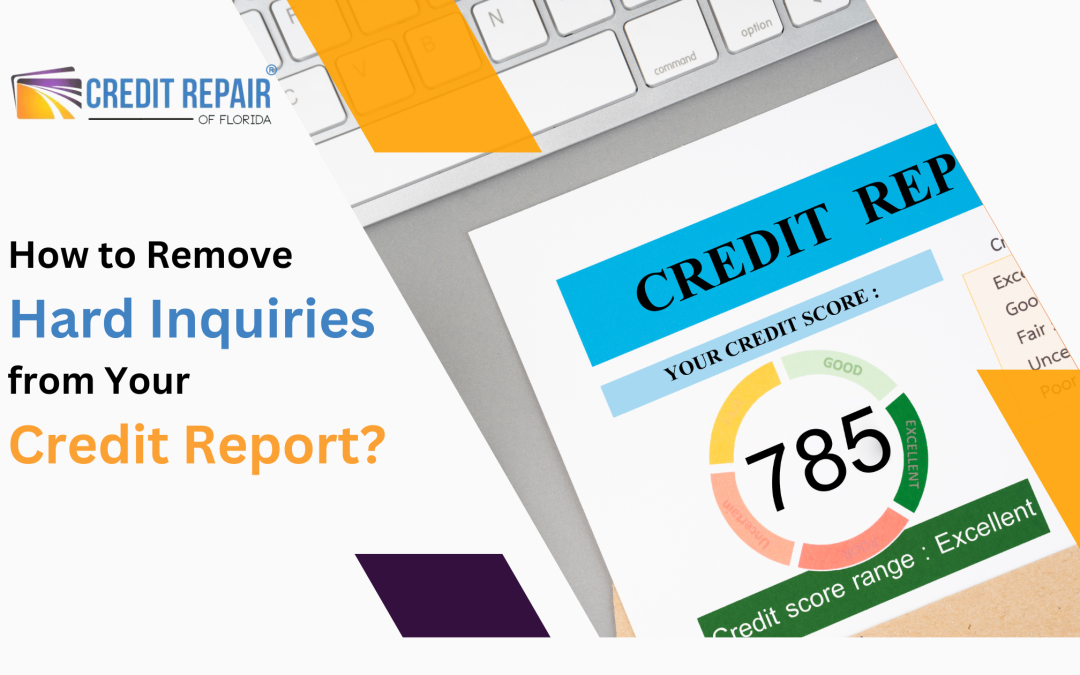
When learning how to remove hard inquiries from your credit report, it’s essential to understand their impact on your credit score. Hard inquiries occur when lenders check your credit for loan approvals, credit cards, or other financial services. While a single inquiry may not significantly lower your score, multiple inquiries in a short period can raise red flags for lenders. If unauthorized or excessive inquiries appear on your report, hard inquiry removal becomes necessary to maintain a strong credit profile.
Disputing unauthorized or outdated inquiries is a crucial step in protecting your financial health. Many consumers don’t realize they can dispute inquiries that they didn’t authorize, helping them to remove hard inquiries from their credit report. Whether you need to delete hard inquiries to improve your mortgage eligibility or just want to maintain a clean credit history, taking the right steps is essential. Working with a credit repair specialist can ensure a smooth and effective dispute process, helping you regain control of your credit.
2. Understanding Hard Inquiries and Their Impact
Your credit score plays a crucial role in determining your financial opportunities, and hard inquiries are an important factor affecting it. A hard inquiry, also known as a "hard pull," occurs when a lender or creditor checks your credit report during a loan, credit card, or mortgage application. This type of inquiry indicates that you are actively seeking credit, which lenders consider when assessing your ability to repay. While a single hard inquiry may only lower your score by a few points, multiple inquiries in a short period can signal financial distress and make it harder to secure loans.
2.1 When Do Hard Inquiries Happen?
Hard inquiries are common in several financial situations. Understanding when they occur helps you manage your credit profile and avoid unnecessary dings to your score. Some common scenarios include:
Credit Card Applications: Every time you apply for a new credit card, the issuer performs a hard inquiry. Applying for multiple cards within a short time can negatively impact your score.
Personal and Auto Loans: Lenders check your credit before approving a loan, whether for personal expenses, car financing, or refinancing.
Mortgage Applications: Mortgage lenders pull your credit report when assessing your ability to afford a home loan. Multiple inquiries from different lenders within a short window are often counted as one for scoring purposes.
Apartment Rentals and Utility Services: Some landlords and utility providers conduct hard inquiries before approving applications.
2.2 How Multiple Inquiries Affect Your Credit Score
While a single hard inquiry may not drastically lower your score, multiple inquiries can raise concerns for lenders. Hard inquiries typically impact your credit score for up to 12 months, and they remain on your credit report for two years. The more inquiries you accumulate in a short time, the riskier you appear to lenders.
Here’s how hard inquiries can impact your financial standing:
Temporary Score Reduction: Each hard inquiry can reduce your credit score by a few points, with multiple inquiries compounding the effect.
Red Flags for Lenders: Too many inquiries suggest financial instability or excessive reliance on credit. Lenders may hesitate to approve new loans.
Difficulties in Loan Approval: If your credit score is already borderline, excessive hard inquiries can push it below the minimum requirement for certain loans.
2.3 Common Misconceptions About Hard Inquiries
Many consumers misunderstand how hard inquiries impact their credit. Here are some myths and the facts behind them:
Myth: Checking your credit score lowers it. Fact: Checking your own credit score results in a soft inquiry, which does not affect your credit. Only lender-initiated hard inquiries impact your score.
Myth: All hard inquiries stay on your report permanently. Fact: Hard inquiries remain on your report for two years but only impact your score for 12 months.
Myth: You can’t remove a hard inquiry once it’s on your report. Fact: You can dispute inquiries that you did not authorize or were incorrectly reported.
3. How to Identify Hard Inquiries on Your Credit Report
Knowing how to identify hard inquiries on your credit report is essential for maintaining a strong credit profile. Hard inquiries, also known as hard pulls, occur when lenders or creditors review your credit report before approving credit applications. While some inquiries are legitimate, others may appear without your authorization or remain on your report longer than necessary. Spotting these inquiries early allows you to dispute inquiries that should not be there and protect your credit score.
3.1 Step-by-Step Guide to Accessing Your Credit Reports
Your credit report is maintained by the three major credit bureaus: Experian, Equifax, and TransUnion. To accurately track your hard inquiries, you should regularly check your report from each bureau. Here’s how you can access your reports:
Visit AnnualCreditReport.com – This government-approved website allows you to request one free credit report from each bureau every 12 months.
Choose a Bureau – Select Experian, Equifax, or TransUnion. Each report may contain slightly different information, so reviewing all three is essential.
Verify Your Identity – You will need to answer security questions related to your past credit accounts to confirm your identity.
Download and Review the Report – Carefully check the section labeled “Credit Inquiries” or “Hard Inquiries” in each report.
Compare Inquiries Across Reports – Some lenders report to only one bureau, while others report to all three. Ensure that the inquiries listed are accurate.
Regularly accessing your credit reports gives you full visibility into who has requested your credit information and ensures that you are not a victim of fraudulent activity.
3.2 How to Spot Unauthorized or Outdated Hard Inquiries
Not all hard inquiries on your credit report are legitimate. Some may be unauthorized, while others may remain longer than necessary. Identifying incorrect inquiries is crucial for hard inquiry removal and maintaining an optimal credit score. Here’s what to look for:
Inquiries You Didn’t Authorize – If you see an inquiry from a lender or business you did not apply for credit with, it may be fraudulent.
Duplicate Inquiries – Sometimes, the same lender appears multiple times, which can happen when a lender pulls your credit for pre-approval and final approval. However, excessive duplicate inquiries may need to be disputed.
Outdated Inquiries – Hard inquiries should automatically fall off after two years. If an old inquiry remains past that period, you can dispute inquiries with the credit bureau.
Unauthorized Business Requests – Some businesses, such as landlords or utility companies, might pull your credit in error or without your consent. These should be removed if you did not authorize them.
If you find any incorrect or outdated inquiries, remove hard inquiries from credit report records by filing disputes with the respective credit bureau. Addressing these issues quickly helps you maintain a clean and accurate credit history.
3.3 The Importance of Checking Reports Regularly for Errors
Many people underestimate the importance of reviewing their credit reports frequently. However, monitoring your credit is one of the most effective ways to catch fraudulent activity early and prevent long-term damage to your credit score.
Here’s why checking your report matters:
Protects Against Identity Theft – Fraudulent credit applications can lead to hard inquiries that impact your credit score. Early detection prevents further misuse.
Helps Improve Credit Health – Removing incorrect inquiries contributes to a better score and increases your chances of credit repair for mortgage approval or securing better loan terms.
Ensures Accuracy Before Major Applications – If you plan to apply for a mortgage, car loan, or personal credit, verifying your report ensures there are no unnecessary obstacles.
Maintains a Strong Credit Profile – Keeping your credit clean and free of errors makes you a more attractive borrower to lenders.
4. How to Remove Hard Inquiries: Disputing Unauthorized Inquiries
Removing unauthorized hard inquiries from your credit report is essential for protecting your credit score. Every hard inquiry affects your credit, and multiple inquiries within a short period can lower your score significantly. If you identify inquiries that you did not authorize or that should no longer appear on your credit report, taking the right steps to dispute inquiries can help you maintain a strong credit profile.
This section outlines the steps you need to take for hard inquiry removal, including how to submit a dispute, when to contact credit bureaus, and what to do if your dispute is denied.
4.1 The Dispute Process: When and How to Challenge Unauthorized Inquiries
If you find an unauthorized or incorrect inquiry on your credit report, you have the legal right to remove hard inquiries from credit report records by disputing them. The Fair Credit Reporting Act (FCRA) grants consumers the right to challenge inaccurate credit information.
Here’s when you should consider disputing an inquiry:
You did not authorize the lender or business to check your credit.
The inquiry resulted from identity theft or fraudulent activity.
The inquiry is a duplicate entry and should not appear multiple times.
The inquiry is over two years old and should have been automatically removed.
To delete hard inquiries, you must first determine whether to dispute them with the credit bureaus or the original creditor. If the inquiry is incorrect, the credit bureaus can investigate. If it was initiated by a lender without your consent, the creditor may be responsible for correcting the mistake.
4.2 Writing a Dispute Letter: What Information to Include
A well-crafted dispute letter increases the chances of successfully removing an unauthorized inquiry. When writing your dispute, be sure to include the following:
Your full name, address, and Social Security number for identity verification.
A clear statement identifying the unauthorized inquiry, including the lender’s name and the date of the inquiry.
The reason for your dispute, such as fraudulent activity or lack of authorization.
A request for removal, instructing the credit bureau or creditor to delete the hard inquiry.
Supporting documentation, such as identity theft reports, past correspondence with the lender, or proof that you did not apply for credit.
Below is a sample dispute letter for hard inquiry removal:
I recently reviewed my credit report and found an unauthorized hard inquiry listed under [Lender Name] on [Date of Inquiry]. I did not authorize this credit check, and I request its immediate removal from my credit report under my rights granted by the Fair Credit Reporting Act (FCRA).
Please investigate this matter and provide a written response confirming the removal of this inquiry. I have included a copy of my credit report with the inquiry highlighted, along with my identification for verification.
Thank you for your prompt attention to this matter.
Sincerely, [Your Name]
Sending a clear and professional dispute letter helps ensure that your request is taken seriously and processed efficiently.
4.3 Contacting Credit Bureaus vs. Contacting the Creditor Directly
When disputing an unauthorized inquiry, you can either contact the credit bureau that reported the inquiry or reach out to the creditor directly. Knowing which option to choose depends on the situation.
When to Contact the Credit Bureaus:
The inquiry appears in your report but was not authorized.
You suspect identity theft or fraudulent activity.
The lender has not responded to previous requests for removal.
You can file a dispute with the credit bureaus online, by mail, or over the phone:
You applied for credit but later decided not to proceed.
The creditor pulled your credit without proper authorization.
You need to request written proof that you approved the inquiry.
If a creditor pulled your credit without permission, you should send a dispute letter directly to the lender requesting removal. If they do not respond, you can escalate the dispute with the Consumer Financial Protection Bureau (CFPB).
4.4 What to Do If Disputes Are Denied and How to Escalate Complaints
In some cases, credit bureaus or creditors may reject your dispute and refuse to remove the inquiry. If this happens, don’t panic—there are additional steps you can take.
Request a Detailed Explanation – If your dispute is denied, ask the credit bureau for a detailed explanation and review the decision.
Provide Additional Documentation – If you have more evidence, such as police reports for identity theft, submit the new information and request a reconsideration.
File a Complaint with the CFPB – If the credit bureaus or lenders refuse to remove an unauthorized inquiry, you can file a formal complaint with the Consumer Financial Protection Bureau (CFPB) at www.consumerfinance.gov.
Work with a Credit Repair Company – If you are struggling to resolve the issue on your own, consider seeking help from credit repair Orlando or credit repair Florida professionals who specialize in dispute resolution.
5. When Hard Inquiries Cannot Be Removed
While disputing unauthorized hard inquiries is an effective way to maintain a clean credit report, not all hard inquiries can be removed. If a credit inquiry is legitimate—meaning you applied for credit and authorized the lender to check your credit report—then it must remain on your report until it naturally expires. Many consumers misunderstand the difference between fraudulent inquiries and valid credit checks, leading to unnecessary disputes that credit bureaus will reject.
Understanding which inquiries are removable and which must remain on your report is crucial for effective credit management. This section explains when inquiries cannot be removed, how time-based removal works, and the difference between unauthorized and legitimate inquiries.
5.1 Hard Inquiries That Cannot Be Deleted
A hard inquiry occurs when a lender or financial institution reviews your credit report as part of a loan or credit card application. Since these inquiries reflect your request for credit, they remain on your report even if the loan or credit application is denied.
Legitimate inquiries that cannot be removed include:
Credit Card Applications – Applying for a new credit card results in a hard inquiry. Even if you do not activate the card, the inquiry remains.
Auto Loan Applications – Car dealerships and lenders often pull your credit when you apply for vehicle financing.
Mortgage Loan Applications – Applying for a home loan requires a thorough credit review, which includes a hard inquiry.
Personal Loan or Business Loan Applications – Banks, online lenders, and credit unions perform hard inquiries when processing loan requests.
New Utility or Lease Agreements – Some landlords and utility companies perform credit checks before approving leases or services.
Credit Line Increases – If you request a higher credit limit, some lenders will perform a hard inquiry before approving the change.
Since these inquiries were authorized by you, they cannot be removed through a dispute. Attempting to dispute valid inquiries will not work and could waste valuable time and effort.
5.2 How Time-Based Removal Works: Waiting for Inquiries to Expire
Although hard inquiries affect credit scores, they do not last forever. According to the Fair Credit Reporting Act (FCRA), hard inquiries automatically disappear from credit reports after two years. However, their impact on your credit score fades much sooner.
Here’s how time-based removal works:
First 12 Months – A hard inquiry slightly affects your credit score, with the impact being stronger if you have multiple inquiries.
After 12 Months – The effect of the inquiry starts to diminish, and lenders weigh recent financial activity more than older inquiries.
At 24 Months – The inquiry is automatically deleted from your credit report, requiring no action on your part.
If you cannot remove a legitimate inquiry, the best course of action is to wait it out while improving other aspects of your credit profile. Reducing credit utilization, making timely payments, and avoiding excessive new applications can help offset the impact of past inquiries.
5.3 The Difference Between Fraudulent and Valid Inquiries
Many consumers struggle to determine whether an inquiry is fraudulent or valid. Fraudulent inquiries often result from identity theft or unauthorized credit checks, while valid inquiries stem from intentional credit applications.
Key differences between fraudulent and valid inquiries:
Fraudulent Inquiries
Valid Inquiries
You did not apply for credit
You applied for credit and authorized the inquiry
Results from identity theft or lender errors
Occurs when applying for loans, credit cards, or services
Can be disputed and removed
Cannot be removed before two years
Affects your credit unfairly
Reflects normal financial activity
If you suspect an inquiry is fraudulent, you should immediately:
File a dispute with the credit bureaus requesting removal.
Contact the creditor that placed the inquiry to verify the request.
Place a fraud alert on your credit file to prevent future unauthorized activity.
Monitor your credit reports regularly to catch suspicious activity early.
If an inquiry is valid, the best approach is to manage your credit responsibly and allow it to expire naturally. Understanding the difference between fraudulent and legitimate inquiries helps you take the right action and avoid unnecessary disputes.
6. Final Steps: Maintaining a Healthy Credit Profile
Successfully removing unauthorized hard inquiries from your credit report is an important step toward improving your credit score. However, to maintain long-term financial health, you must develop good credit habits that help you avoid future issues. Many people focus only on short-term fixes without addressing the underlying behaviors that impact credit.
After resolving hard inquiry issues, the next step is to strengthen your credit profile and ensure it remains in good standing. This includes avoiding excessive applications, building positive credit history, and managing debt responsibly. Lenders look beyond just inquiries when assessing creditworthiness, so maintaining a well-rounded financial profile is essential.
6.1 Avoiding Unnecessary Credit Applications to Prevent Excess Hard Inquiries
One of the most common mistakes people make after improving their credit is applying for too many credit accounts in a short period. Each new application generates a hard inquiry, which can lower your score and raise red flags for lenders.
Here’s how you can avoid unnecessary inquiries:
Only apply for credit when necessary – Do not apply for multiple credit cards just because they offer perks or rewards.
Research lenders before applying – Check eligibility requirements to ensure you meet the criteria before submitting an application.
Pre-qualification tools – Many lenders offer soft inquiries to see if you qualify before submitting a full application.
Space out credit applications – If you need multiple accounts, wait six months to a year between applications.
By being strategic with credit applications, you can reduce the number of hard inquiries while still expanding your credit options when needed. Keeping inquiries low and controlled signals financial responsibility to lenders.
6.2 Strategies for Building Strong Credit After Inquiry Removal
Once you remove unauthorized inquiries, it’s time to focus on rebuilding your credit and improving your overall financial health. Lenders evaluate more than just inquiries—they look at your credit utilization, payment history, and overall debt levels.
Best practices for strengthening your credit:
Make payments on time – Payment history is the most important factor in your credit score. Even one missed payment can lower your score.
Maintain long-term accounts – The length of your credit history affects your score. Keep older accounts open, even if you don’t use them often.
Use a mix of credit types – A combination of credit cards, auto loans, and mortgages can diversify your credit profile and improve your score.
Monitor your credit report – Regularly checking your credit ensures that new unauthorized inquiries or errors do not appear.
Building strong credit habits ensures that your score continues to improve over time, making it easier to qualify for better loan terms and financial opportunities.
6.3 The Role of Credit Utilization, On-Time Payments, and Low Debt in Credit Improvement
Lenders use a holistic approach when reviewing credit applications. While removing hard inquiries helps, a strong credit profile requires consistent financial responsibility.
Three key factors that significantly impact credit health include:
Credit Utilization
Credit utilization refers to the amount of credit you’re using compared to your total credit limit. A high utilization rate can make you appear overly reliant on credit, which may signal risk to lenders.
Keep balances low – Try to use less than 30% of your available credit limit.
Pay down high balances – Reducing balances on credit cards lowers utilization and improves your score.
Request a credit limit increase – A higher limit reduces your utilization ratio, as long as you don’t increase spending.
On-Time Payments
Payment history accounts for 35% of your credit score, making it the most important factor in determining creditworthiness.
Set up automatic payments – This ensures you never miss a due date.
Make at least the minimum payment – Even if you can’t pay in full, making at least the minimum keeps accounts in good standing.
Avoid late payments at all costs – A single late payment can lower your score significantly and remain on your report for seven years.
Managing Debt Responsibly
Lenders assess how well you handle existing debt when considering new credit applications. High debt levels can lead to loan rejections or high interest rates.
Pay off high-interest debt first – Reducing balances on high-interest accounts helps lower your overall debt.
Avoid maxing out credit cards – Keeping balances low helps maintain a healthy credit-to-debt ratio.
Limit borrowing – Only take on new debt when necessary and manageable.
By focusing on these three essential factors, you can maintain a strong credit profile and improve your financial standing over time.
7. Conclusion: Take Action on Hard Inquiry Removal
Hard inquiries may seem like a minor detail, but they can impact your credit score and borrowing potential if left unchecked. Reviewing your credit reports regularly and disputing unauthorized or outdated inquiries ensures that your credit profile remains accurate and strong. By taking proactive steps, such as limiting unnecessary credit applications and managing your accounts wisely, you can protect your score and improve your financial opportunities.
If you need expert assistance in removing hard inquiries or improving your overall credit health, Credit Repair of Florida offers professional services tailored to your needs. Their team understands credit laws, dispute processes, and lender expectations, helping you navigate credit repair with confidence. Take control of your credit today—schedule a free consultation and start your journey toward better financial stability.
Credit repair for mortgage approval is essential for homebuyers looking to qualify for competitive loan terms. A strong credit profile increases your chances of approval and helps you secure lower interest rates, ultimately saving you thousands over the life of your mortgage. However, many borrowers struggle with negative items on their credit reports, making it difficult to meet lender requirements. Understanding how to restore your credit before applying for a mortgage can significantly improve your financial standing.
Working with top credit repair companies can help address credit challenges such as late payments, collections, and high credit utilization. Additionally, tools like Rental Kharma can help boost your credit score by reporting rent payments to credit bureaus. Whether you're looking for credit repair in Orlando or Florida, professional services can provide tailored solutions to get your finances mortgage-ready. This guide will break down everything you need to know about credit repair for mortgage approval, from common credit issues to proven strategies for improvement.
2. Understanding Credit Repair for Mortgage Approval
Buying a home is one of the most significant financial decisions a person can make. However, securing a mortgage requires more than just stable income and savings for a down payment. Mortgage lenders carefully assess a borrower's creditworthiness before approving a loan. A low credit score or negative items on a credit report can create obstacles in this process. Understanding credit repair for mortgage approval can help borrowers take proactive steps to improve their financial standing and qualify for better loan terms.
2.1 Why Lenders Care About Credit Scores
Lenders evaluate credit scores to determine how likely a borrower is to repay a mortgage. A credit score reflects an individual’s financial responsibility and past borrowing behavior. It helps lenders assess risk and set interest rates based on a borrower’s reliability. Higher scores indicate responsible credit management, while lower scores signal potential risk.
Easier Loan Approval: A strong credit score increases the likelihood of qualifying for a mortgage. Lenders prefer borrowers with low financial risk.
Lower Interest Rates: Borrowers with high credit scores receive lower interest rates, reducing monthly payments and total loan costs.
Higher Loan Amounts: A strong credit profile can help secure a larger loan, increasing home-buying options.
Favorable Loan Terms: Good credit provides access to loans with better repayment conditions, such as lower down payments or longer repayment periods.
On the other hand, a poor credit score may lead to loan denials or force borrowers into high-interest loans with stricter terms. Many mortgage lenders set minimum credit score requirements, making it crucial for homebuyers to improve their scores before applying for a loan.
2.2 Minimum Credit Score Requirements for Home Loans
Different mortgage types have varying credit score requirements. Government-backed loans often have lower credit requirements than conventional loans, making homeownership more accessible for individuals with less-than-perfect credit. Understanding these requirements helps borrowers set realistic goals when preparing for a mortgage application.
Here’s a breakdown of the minimum credit scores required for different loan types:
Conventional Loans: Typically require a minimum 620 credit score. Borrowers with scores above 740 receive the best interest rates.
FHA Loans: Insured by the Federal Housing Administration, FHA loans allow scores as low as 500 with a 10% down payment or 580 with a 3.5% down payment.
VA Loans: Available to veterans and active-duty service members, VA loans generally require a minimum 580-620 credit score, but some lenders may have stricter guidelines.
USDA Loans: Designed for low- to moderate-income borrowers in rural areas, USDA loans often require a 640 credit score for streamlined approval.
By understanding credit repair for mortgage approval, homebuyers can take proactive steps to enhance their financial profile. This preparation increases the likelihood of securing a mortgage that fits their budget and long-term goals.
3. Common Credit Issues That Impact Mortgage Approval
Mortgage lenders evaluate an applicant’s credit history to assess financial responsibility and risk. A strong credit profile signals to lenders that the borrower is capable of managing debt and making timely payments. However, if negative credit issues appear on a credit report, they can lead to higher interest rates or even loan denials. Restoring your credit before applying for a mortgage is essential to improve your chances of approval. Understanding the most common credit issues and how they affect mortgage qualification is the first step toward addressing them effectively.
3.1 Late Payments, Collections, and Charge-Offs
Lenders consider payment history the most significant factor when evaluating creditworthiness. Payment history makes up 35% of a FICO credit score, and even one late payment can lower a score significantly. Mortgage lenders look for consistent, on-time payments because they indicate financial stability.
How Late Payments Affect Mortgage Approval:
A single 30-day late payment may cause a minor score drop, but repeated late payments raise red flags.
60- and 90-day late payments show a pattern of financial instability, which may result in mortgage denials.
Recent late payments affect mortgage approval more than older ones. Lenders prefer to see at least 12 months of on-time payments before approving a loan.
How Collections and Charge-Offs Impact Mortgage Approval:
Collections and charge-offs appear when unpaid debts remain outstanding for extended periods. A collection account occurs when a creditor sells unpaid debt to a third-party agency. A charge-off happens when a creditor deems a debt uncollectible and removes it from active accounts. Both can significantly lower credit scores and make lenders hesitant to approve loans.
Lenders typically review:
Whether the collection account is medical or non-medical (some mortgage programs overlook medical collections).
The amount of debt owed and if the borrower has settled or paid it off.
Whether the charge-off is recent or several years old. Older charge-offs have less impact than recent ones.
How to Fix Late Payments, Collections, and Charge-Offs Before a Mortgage Application:
Catch up on overdue accounts immediately. Lenders want to see recent on-time payments.
Dispute inaccurate late payments with credit bureaus to remove errors.
Negotiate with creditors to pay off or settle collections for a lower amount.
Use credit repair websites to explore professional services that assist with dispute resolution.
By addressing late payments, collections, and charge-offs early, borrowers can improve their credit profiles and increase their chances of mortgage approval.
3.2 High Credit Utilization and Excessive Debt
Credit utilization plays a significant role in credit scores, accounting for 30% of a FICO score. It measures how much credit a borrower uses relative to their total credit limit. High utilization suggests financial overextension, which can negatively impact mortgage eligibility.
Why High Credit Utilization Affects Mortgage Approval:
Mortgage lenders prefer applicants with credit utilization below 30% to ensure responsible credit use.
High utilization signals over-reliance on credit, increasing the risk of missed payments.
Even if a borrower makes payments on time, high balances reduce creditworthiness.
Debt-to-Income Ratio (DTI) and Its Importance:
Lenders also evaluate debt-to-income ratio (DTI) to assess financial stability. DTI compares monthly debt payments to gross income. A lower ratio indicates better financial health and improves mortgage approval chances.
Ideal DTI for Mortgage Approval:
Conventional loans: Prefer DTI below 43% for approval.
FHA loans: Allow DTI up to 50% with strong compensating factors.
VA loans: Have no strict limit, but most lenders prefer DTI under 41%.
How to Reduce Credit Utilization and DTI Before Applying for a Mortgage:
Pay down high credit card balances to reduce utilization below 30%.
Increase credit limits to lower utilization without spending more.
Avoid new debt before applying for a mortgage.
Consider Rental Kharma or other rent-reporting services to boost positive credit history.
Lenders evaluate a borrower's ability to manage debt responsibly. Addressing high credit utilization and excessive debt early will strengthen financial stability and improve mortgage approval chances.
4. How Top Credit Repair Companies Can Help
Navigating credit repair for mortgage approval can be complex, especially when dealing with errors, outdated collections, and charge-offs. Many borrowers struggle with understanding their credit reports and correcting inaccuracies. This is where top credit repair companies play a crucial role. These companies specialize in analyzing credit reports, identifying issues, and implementing solutions to improve credit scores. By working with reputable credit repair services, borrowers can take proactive steps toward restoring your credit and securing mortgage approval.
4.1 Disputing Inaccurate Negative Items
Errors on credit reports are more common than many people realize. A mistake as simple as a misreported late payment or an account that doesn’t belong to the borrower can significantly impact a credit score. Since mortgage lenders rely on accurate credit information to approve loans, removing these inaccuracies is critical.
Why Credit Report Errors Occur:
Credit bureaus may mix up accounts when individuals have similar names.
Creditors sometimes fail to update payment history correctly.
Old debts that should have been removed remain on reports.
Identity theft or fraudulent accounts may result in incorrect negative marks.
How Credit Repair Companies Dispute Errors:
Thorough Credit Analysis: Experts review credit reports from all three major bureaus—Experian, Equifax, and TransUnion—to identify inaccuracies.
Filing Disputes with Credit Bureaus: If errors exist, companies submit dispute letters to credit bureaus requesting investigations.
Providing Supporting Documents: Strong documentation, such as payment records or settlement letters, strengthens the dispute process.
Following Up on Investigations: Credit bureaus must respond within 30 days, and repair companies ensure timely follow-ups.
Why Disputing Inaccuracies Matters for Mortgage Approval:
Correcting even small mistakes can lead to a significant credit score increase.
Lenders require accurate reports to assess risk properly.
A clean report improves eligibility for better mortgage interest rates.
4.2 Removing Outdated Collections and Charge-Offs
Collections and charge-offs can stay on credit reports for up to seven years, severely impacting credit scores. Mortgage lenders hesitate to approve loans when unpaid debts exist, as they indicate financial instability. However, not all collections should remain on reports indefinitely. Top credit repair companies help remove outdated or incorrect negative items, improving credit scores before a mortgage application.
How Collections and Charge-Offs Affect Mortgage Approval:
Lenders view unpaid collections as a sign of financial risk.
Some loan programs require borrowers to pay off collections before approval.
Even if a collection is paid, its presence can still lower credit scores.
Charge-offs indicate past defaulted accounts, making lenders reluctant to approve large loans.
How Credit Repair Services Address Collections and Charge-Offs:
Identifying Outdated Debts: If a collection is older than seven years, repair companies work to have it removed.
Validating Debts: Some collections are reported incorrectly. If a collector cannot verify the debt, it must be deleted.
Negotiating Pay-for-Delete Agreements: Some creditors agree to remove accounts in exchange for a settlement.
Requesting Goodwill Adjustments: In cases of past financial hardship, some lenders may remove charge-offs as a goodwill gesture.
Why This Matters for Borrowers:
A clean credit report improves mortgage approval odds.
Removing negative items can increase credit scores significantly.
Lenders prefer to work with borrowers who show financial responsibility.
5. Using Rental Kharma to Improve Your Credit Score
For many individuals, rent payments represent their most consistent and significant monthly expense. However, these payments often go unreported on traditional credit reports. While mortgage and car loan payments contribute to a borrower's credit history, rent payments historically have not had the same impact. This creates an unfair disadvantage for responsible renters who consistently pay on time but do not see the benefit reflected in their credit scores.
Rental Kharma is a service that allows tenants to report their rent payments to major credit bureaus. By using this platform, renters can demonstrate financial responsibility and potentially increase their credit scores. For borrowers working toward credit repair for mortgage approval, Rental Kharma provides an alternative way to establish positive credit history.
5.1 How Rent Payments Impact Credit
Mortgage lenders use credit scores to assess a borrower's ability to manage financial obligations. Traditionally, only debts such as credit cards, auto loans, and student loans contribute to a person’s credit score. However, rent payments are a major monthly expense for millions of people, and not having them reflected on a credit report can be a disadvantage.
FICO and VantageScore, the two primary credit scoring models, have recognized the importance of rent payments. While older FICO versions do not include rental history, newer versions like FICO 9 and VantageScore 3.0 and 4.0 factor rent payments into credit calculations. Despite this, most landlords and property managers do not automatically report rent payments to credit bureaus.
Rental Kharma fills this gap by allowing renters to report their on-time rent payments, helping them build credit history without taking on additional debt.
How Reporting Rent Payments Helps Credit Scores:
Establishes a positive payment history, which is the most influential factor in credit scores.
Provides an alternative to traditional credit-building methods, especially for renters without credit cards or installment loans.
Demonstrates responsible financial behavior to lenders, improving mortgage approval chances.
5.2 The Benefits of Rent Reporting for Mortgage Approval
For borrowers seeking mortgage approval, every positive entry on their credit report matters. Mortgage lenders evaluate financial behavior over time, and rental payment history can be a strong indicator of a borrower’s reliability.
Why Mortgage Lenders Care About Rent Payments
Mortgage lenders prioritize consistency and responsibility when evaluating applicants. Since rent payments are similar to mortgage payments, a strong rental history suggests that a borrower is capable of handling a home loan. Credit repair for mortgage approval can be a lengthy process, but rent reporting provides an additional tool to improve a borrower's financial profile.
Key Advantages of Rent Reporting for Mortgage Approval:
Proves Timely Payment Behavior: Lenders value consistent payments, and a strong rental history can make up for past credit mistakes.
Improves Credit Mix: Credit bureaus recognize a mix of credit types as beneficial, and rent reporting adds diversity to a credit profile.
Helps First-Time Homebuyers: Borrowers without long credit histories can showcase financial responsibility through documented rent payments.
How Rental Kharma Works
Rental Kharma makes it simple to add rent payment history to a credit report:
Tenant Enrollment: Renters sign up and provide landlord details.
Payment Verification: Rental Kharma contacts landlords to confirm past and ongoing payments.
Credit Bureau Reporting: Verified payments are sent to TransUnion and Equifax.
For borrowers who need a credit score boost before applying for a home loan, Rental Kharma is a strategic tool. By adding positive rent payment history, individuals can strengthen their financial profiles and improve their mortgage approval odds.
6. Why Local Credit Repair Services Matter: Credit Repair in Orlando and Florida
Credit repair is not a one-size-fits-all process. While national credit repair companies offer general solutions, working with a local service provides tailored strategies that align with state-specific credit laws and economic conditions. In Florida, particularly in cities like Orlando, credit challenges can vary due to unique financial trends, cost of living, and regional lending practices.
Each state has different regulations that affect how credit repair businesses operate. Florida follows the Credit Repair Organizations Act (CROA) at the federal level, but it also enforces state-specific consumer protection laws to prevent fraudulent practices. Clients working with a local credit repair company benefit from professionals who understand these legal frameworks and can provide compliant, effective credit repair solutions.
Common Credit Challenges in Florida
High Mortgage Demand
Florida has a booming real estate market, especially in cities like Orlando and Miami.
Higher home prices mean tighter lending standards, making credit repair for mortgage approval more crucial.
Hurricane-Related Financial Hardships
Florida residents frequently face natural disasters, leading to unexpected expenses.
Many Floridians fall behind on bills after hurricanes, resulting in late payments and collections.
High Credit Card Debt
Florida has one of the highest credit card debt averages in the U.S.
High debt increases credit utilization, which lowers credit scores and affects loan approvals.
Student Loan Burdens
Many Florida residents struggle with student loan debt, which affects debt-to-income ratios.
High debt levels make it harder to qualify for mortgages and personal loans.
Local credit repair services understand these challenges and develop strategies to address them. Unlike national credit repair websites, local firms focus on region-specific financial obstacles, offering more relevant solutions for their clients.
6.2 Finding Reliable Credit Repair Experts Near You
Finding a trusted credit repair company is essential for success. Not all credit repair services operate ethically, and clients must choose a company with a strong track record. A reliable company should offer transparent pricing, realistic expectations, and compliance with credit repair laws.
What to Look for in a Local Credit Repair Company
Legal Compliance: The company must follow CROA, FCRA, and state consumer protection laws.
No Upfront Fees: Reputable firms do not charge clients before services are rendered.
Clear Service Agreements: Clients should receive written contracts detailing services and fees.
Personalized Credit Strategies: Effective companies customize their approach based on individual credit needs.
Strong Local Reputation: A good company has positive reviews and testimonials from local clients.
Why Choose Credit Repair of Florida?
Credit Repair of Florida offers personalized solutions tailored to Orlando residents and Floridians statewide. The company follows legal guidelines while providing comprehensive credit repair services. Whether clients need credit repair for mortgage approval or debt resolution, Credit Repair of Florida can help restore their credit and guide them toward financial stability.
For anyone searching for credit repair near me, working with a reputable local company ensures better support, customized strategies, and compliance with state-specific credit repair regulations.
7. Restoring Your Credit: Steps to Take Before Applying for a Mortgage
Restoring your credit before applying for a mortgage is essential for securing the best loan terms and increasing approval chances. Lenders evaluate multiple credit factors, including credit scores, outstanding debt, and payment history, to determine your risk level as a borrower. A strong credit profile not only improves mortgage eligibility but also lowers interest rates and reduces long-term costs.
Many homebuyers turn to credit repair for mortgage approval to improve their creditworthiness before submitting a loan application. While working with top credit repair companies can accelerate the process, self-managed credit improvement strategies are also effective. The key is to proactively address financial weaknesses, ensuring that your credit score meets minimum mortgage requirements.
7.1 Paying Down Debt and Managing Credit Utilization
One of the most critical steps in restoring your credit is reducing outstanding debt and credit utilization. Lenders assess your debt-to-income (DTI) ratio, which measures total monthly debt payments against gross monthly income. A high DTI ratio signals financial strain and may lead to loan rejection.
Additionally, credit utilization—how much of your available credit you’re using—makes up 30% of your credit score. Keeping credit utilization low shows responsible credit management, making lenders more confident in your ability to handle mortgage payments.
How to Lower Credit Utilization:
Pay More Than the Minimum – Making only the minimum payment keeps balances high and interest charges accumulating. Paying more than the minimum reduces outstanding debt faster.
Use the Debt Snowball or Avalanche Method – The snowball method prioritizes paying off small debts first, while the avalanche method targets high-interest debts first. Both strategies help lower total debt efficiently.
Request a Credit Limit Increase – A higher credit limit lowers your utilization ratio if you keep spending in check. However, ensure that your credit card issuer does not conduct a hard inquiry, which could temporarily lower your credit score.
Avoid Large Purchases on Credit – Avoid major expenses before applying for a mortgage. High balances increase utilization and create a red flag for lenders.
7.2 Monitoring Your Credit Report and Avoiding New Inquiries
Lenders review your credit report in detail before approving a mortgage. Reviewing your own credit report regularly helps identify potential errors, inaccuracies, or outdated negative items that could hurt your application. Many buyers use credit repair services to dispute inaccuracies, but self-monitoring is equally important.
How to Monitor Your Credit Report:
Access Free Credit Reports – The Fair Credit Reporting Act (FCRA) entitles consumers to one free report per year from each major credit bureau (Experian, Equifax, and TransUnion) via AnnualCreditReport.com. Check for Errors and Negative Items – Look for incorrect late payments, duplicate accounts, or outdated collections. If errors exist, you have the right to dispute them with the credit bureau.
Track Your Credit Score Monthly – Use tools like Smart Credit or Identity IQ to track progress. Sudden score drops could indicate unauthorized activity or an error on your report.
Applying for new credit during the mortgage approval process can lower your score and raise red flags for lenders. Each hard inquiry stays on your report for two years and can lower your score by a few points.
How to Avoid New Inquiries:
Postpone Opening New Credit Accounts – Avoid applying for credit cards, personal loans, or auto financing in the months leading up to a mortgage application.
Limit Hard Inquiries – Some lenders allow pre-qualification checks that do not affect your credit score. Always confirm before applying.
Stick to Existing Credit Lines – Use your current credit responsibly rather than taking on new accounts.
By paying down debt, managing utilization, and monitoring your credit report, you strengthen your credit profile for mortgage approval. Many homebuyers use top credit repair companies to expedite credit restoration, ensuring they meet lender requirements before applying for a home loan.
Conclusion: Take Action Toward Restoring Your Credit
Restoring your credit is the key to securing better mortgage terms, lower interest rates, and long-term financial stability. Taking proactive steps like paying down debt, managing credit utilization, and monitoring your credit report can significantly improve your creditworthiness. However, the credit repair process can be complex, and professional guidance ensures you navigate it efficiently. Whether you're dealing with late payments, collections, or high credit utilization, working with top credit repair companies can accelerate your progress.
If you're serious about credit repair for mortgage approval, partnering with Credit Repair of Florida can help you achieve your financial goals. Their expert team specializes in disputing inaccuracies, removing outdated negative items, and optimizing your credit profile for lenders.
Restoring your credit is essential for securing better financial opportunities, such as mortgage approvals, rental agreements, and access to low-interest loans. A strong credit profile can open doors to homeownership, competitive credit card offers, and even better job prospects. However, if your credit score is low due to missed payments, high debt, or inaccurate information on your credit report, it can be challenging to move forward financially. This is why many individuals turn to credit repair websites and credit repair companies to regain control of their financial health.
For those struggling with credit repair for mortgage approval, working with top credit repair companies can make a significant difference. These companies specialize in identifying and disputing negative items, helping clients rebuild their credit profiles effectively. Additionally, services like Rental Kharma can assist renters in reporting their on-time rent payments to credit bureaus, further improving their credit scores. Whether you need credit repair in Orlando, Florida, or nationwide assistance, finding the right support can make restoring your credit a smoother and more successful process. This blog will explore the steps to rebuilding credit, the role of professional credit repair services, and how to prepare for major financial decisions like homeownership.
Understanding the Credit Factors That Impact Mortgage Approval
When applying for a mortgage, lenders assess multiple aspects of your financial history to determine your creditworthiness. Your credit score plays a significant role in mortgage approval, influencing the interest rates and loan terms you receive. A higher credit score often results in lower interest rates, while a lower score may lead to higher costs or outright denial. For this reason, understanding the key credit factors that impact mortgage approval is crucial, especially if you’re working toward restoring your credit and securing a home loan.
Breakdown of Credit Score Components
Your credit score is calculated based on several factors, each carrying a different weight in determining your overall creditworthiness. The most widely used scoring model, FICO, considers the following five components:
Payment History (35%) – Lenders prioritize your payment history because it indicates whether you make payments on time. Late payments, charge-offs, and defaults can severely damage your credit score and raise red flags during mortgage underwriting.
Credit Utilization (30%) – This factor measures how much of your available credit you are using. High credit utilization, especially above 30%, can negatively impact your score and suggest financial instability.
Credit Age (15%) – The length of your credit history shows lenders how long you have successfully managed credit accounts. A longer credit history is beneficial for mortgage approval.
Credit Inquiries (10%) – Every time you apply for new credit, a hard inquiry appears on your credit report. Multiple inquiries within a short period can lower your score and make lenders wary of excessive borrowing.
Credit Mix (10%) – A well-balanced credit portfolio that includes credit cards, installment loans, and mortgages demonstrates financial responsibility. Lenders prefer to see a mix of credit types rather than an over-reliance on one form of borrowing.
The Role of Credit Repair for Mortgage Approval
A poor credit score can make mortgage approval difficult, but proactive steps can increase your chances of qualifying for a home loan. Mortgage lenders typically require a minimum FICO score of 620 for conventional loans, while FHA loans may allow approval with scores as low as 580. However, even if you meet these minimums, having a higher score can significantly improve your loan terms.
Credit repair services play a crucial role in preparing applicants for mortgage approval by:
Disputing inaccuracies – Errors on your credit report, such as incorrect late payments or fraudulent accounts, can lower your score. Disputing these inaccuracies through credit repair websites helps ensure your report reflects accurate information.
Lowering credit utilization – High credit card balances can hurt your score. Credit repair strategies, including debt reduction plans, can help lower utilization and improve your credit profile.
Providing credit-building guidance – Mortgage lenders prefer borrowers with solid payment histories. Credit repair specialists can offer guidance on rental credit reporting services like Rental Kharma, which helps renters add positive history to their credit reports.
Assisting with collections and charge-offs – Unpaid collections can make mortgage approval challenging. Credit repair professionals negotiate with creditors and collection agencies to minimize their impact.
If you are looking for credit repair in Orlando, Florida, or any other state, working with top credit repair companies like Credit Repair of Florida can help you strategically prepare for mortgage approval. Taking these steps in advance ensures that when the time comes to apply for a home loan, your credit report accurately represents your financial responsibility, increasing your likelihood of securing favorable terms.
Common Credit Issues and How to Fix Them
Credit problems can significantly impact your ability to secure loans, buy a home, or access better financial opportunities. Late payments, collections, and high credit utilization are among the most common issues that lower credit scores. Understanding these problems and taking proactive steps to address them is essential for restoring your credit and improving financial stability.
Many consumers struggle to correct errors on their credit reports or remove outdated negative items. This is where top credit repair companies and credit repair websites play a vital role. By leveraging industry knowledge and legal protections, these services help clients dispute inaccuracies and improve their credit profiles.
Late Payments and Their Impact
Late payments are one of the most damaging factors in credit scoring. Since payment history accounts for 35% of a FICO score, even a single late payment can cause a noticeable drop in your score. Lenders view late payments as a sign of financial instability, making it harder to qualify for loans or credit cards.
Consequences of Late Payments:
Lower credit scores – The more recent and frequent the late payments, the greater the negative impact on your score.
Higher interest rates – Lenders may charge higher interest rates if they perceive you as a risk.
Potential collections – Accounts that remain unpaid for too long may be sent to collections, further damaging your credit.
How to Fix Late Payments:
Bring past-due accounts current – Pay overdue balances as soon as possible to prevent further damage.
Request goodwill adjustments – Some creditors may remove late payments from your report if you have a strong payment history.
Set up automatic payments – Enrolling in auto-pay helps prevent future late payments and ensures bills are paid on time.
Work with credit repair professionals – Top credit repair companies help dispute inaccurate late payments, improving your overall credit profile.
For those struggling with mortgage qualification, credit repair for mortgage approval involves ensuring that payment history is as positive as possible. Addressing late payments early can prevent major obstacles when applying for a home loan.
Collections and Charge-Offs
When an account remains unpaid for an extended period, lenders may send it to a collections agency or write it off as a charge-off. Both events severely damage your credit score and make it harder to qualify for new credit. Collections can stay on your credit report for up to seven years, even after you pay them.
How Collections Affect Credit:
Lower credit scores – The presence of collections signals financial distress to lenders.
Loan rejections – Mortgage lenders, in particular, view collections as red flags during the approval process.
Higher borrowing costs – Even if you qualify for loans, you may receive less favorable terms due to a history of unpaid debts.
How to Fix Collections and Charge-Offs:
Verify the debt – Request validation to ensure the collection account is accurate before making payments.
Negotiate settlements – Some creditors may agree to a reduced payment or a pay-for-delete agreement.
Dispute inaccuracies – If a collection account is reported incorrectly, a credit repair blog or professional service can help you dispute it.
Use credit-building tools – Services like Rental Kharma allow renters to report on-time payments, helping offset negative items.
If you need credit repair in Orlando or Florida, working with top credit repair companies ensures you follow legal guidelines when addressing collections. These professionals guide you through the dispute process while ensuring compliance with Fair Credit Reporting Act (FCRA) protections.
High Credit Utilization and Its Consequences
Credit utilization refers to the percentage of your available credit that you are currently using. Since utilization accounts for 30% of your FICO score, maintaining low balances is essential for healthy credit.
Problems Caused by High Credit Utilization:
Lower credit scores – High utilization signals financial overreliance on credit, lowering your score.
Limited borrowing power – Lenders may reduce your credit limits if you consistently carry high balances.
Higher interest rates – High utilization increases your risk level, leading to more expensive loan terms.
How to Fix High Credit Utilization:
Pay down balances – Reducing credit card debt is the fastest way to improve your score.
Request a credit limit increase – A higher limit reduces your utilization ratio without requiring additional payments.
Distribute balances across multiple accounts – Keeping each credit card under 30% utilization prevents negative scoring impacts.
Monitor spending habits – Creating a budget helps manage credit usage and prevents overspending.
Addressing common credit issues is a critical step in financial recovery. Whether resolving late payments, negotiating collections, or managing credit utilization, taking proactive steps can help improve your credit and open doors to better financial opportunities.
How Rental Kharma and Rent Reporting Can Improve Your Credit
Building a strong credit profile requires a history of responsible financial behavior. Many consumers struggle to improve their credit scores because traditional scoring models do not consider rent payments. For individuals with limited credit history or past credit issues, rent reporting offers an effective way to strengthen their credit profile.
Rental Kharma is one such service that helps renters report on-time rent payments to credit bureaus. This allows individuals to demonstrate financial responsibility, which can contribute to a higher credit score. For those seeking credit repair for mortgage approval, adding positive rent payment history can make a difference in qualifying for a home loan.
Understanding how Rental Kharma and similar services work helps credit repair businesses provide clients with new strategies for improving their credit scores. By incorporating rent reporting into a credit repair plan, clients can see tangible improvements over time.
What is Rental Kharma and How Does It Work?
Rental Kharma is a rent reporting service that allows tenants to add their on-time rental payments to their credit reports. Since rent is a major monthly expense, documenting these payments helps establish a more complete financial profile.
The traditional credit scoring system focuses on credit card usage, loan payments, and financial accounts, but it often excludes rent payments. Many renters make timely payments every month but do not receive credit score benefits. Rental Kharma bridges this gap by reporting rent history to major credit bureaus.
How Rental Kharma Works:
Tenant Enrollment – Clients sign up and verify their rental agreements.
Payment Verification – The service confirms past and ongoing rent payments with landlords.
Credit Bureau Reporting – Verified payments are submitted to credit bureaus for inclusion in credit reports.
Credit Score Impact – Reported payments contribute to credit history, improving credit scores over time.
The Benefits of Rent Reporting for Mortgage Approval
For many prospective homeowners, credit repair for mortgage approval is a crucial step in achieving homeownership. Lenders analyze an applicant’s credit score, payment history, and financial responsibility before approving a mortgage. Since mortgage approval often requires a strong credit history, rent reporting can help bridge the gap for those with limited or damaged credit.
Strengthens Credit History
Rent reporting adds consistent, positive payment history to credit reports, helping consumers build a stronger credit profile. This is particularly beneficial for first-time homebuyers who lack traditional credit accounts.
Improves Credit Scores
By including rent payments in credit reports, consumers can see an increase in their credit scores. A higher score improves mortgage approval odds and may result in better loan terms.
Demonstrates Financial Stability
Lenders prefer applicants with a stable financial background. A documented history of on-time rent payments reassures mortgage lenders of an applicant’s ability to handle long-term financial commitments.
Helps Offset Negative Items
Consumers with past credit issues, such as late payments or collections, can use rent reporting to add new positive payment history to their reports. This can help balance out negative credit items over time.
Works Alongside Credit Repair Services
Many consumers work with credit repair websites to dispute errors, remove outdated negative items, and improve their credit scores. Rent reporting complements this process by adding fresh, positive data to credit reports.
Who Should Use Rental Kharma?
Rent reporting is not a one-size-fits-all solution, but it is highly beneficial for specific groups of individuals. Those who lack traditional credit accounts, have thin credit files, or need credit repair for mortgage approval can benefit the most from services like Rental Kharma.
Consumers with Limited Credit History – Those with few or no credit accounts can build credit without opening new lines of credit.
Individuals Working on Credit Repair – Rent payments can help offset the impact of past negative credit items.
Consumers Without Credit Cards – Many people avoid credit cards to prevent debt, and rent reporting provides an alternative way to build credit.
Limitations of Rent Reporting
While rent reporting provides numerous benefits, it is important to acknowledge its limitations. Understanding these challenges allows consumers and credit repair businesses to set realistic expectations.
Not All Lenders Consider Rent Payments
Some lenders and credit repair websites rely on scoring models that do not include rent payments. While newer FICO and VantageScore models factor in rent, older versions may not.
Limited Bureau Reporting
Rental Kharma primarily reports to TransUnionand Equifax, but not all lenders check these bureaus. Some mortgage lenders still prioritize FICO 2, 4, and 5, which may not reflect rent payments.
Service Fees Apply
Rent reporting services like Rental Kharma typically charge a small fee for verifying and reporting payments. While the cost is relatively low, it may not be feasible for all consumers.
Landlord Participation Required
Some rent reporting services need landlords to verify payments, and not all landlords cooperate. Consumers should confirm landlord participation before enrolling.
How Credit Repair Businesses Can Use Rent Reporting to Help Clients
Credit repair professionals should educate clients about rent reporting as a valuable credit-building tool. By combining rent reporting with traditional credit repair strategies, businesses can offer a more comprehensive credit improvement plan.
How Credit Repair Companies Can Incorporate Rent Reporting:
Educate clients on benefits – Explain how rent reporting complements traditional credit repair methods.
Help clients enroll – Guide clients in selecting reputable rent reporting services like Rental Kharma.
Combine with other strategies – Use rent reporting alongside dispute resolution and debt reduction plans.
For individuals seeking credit repair in Florida, integrating Rental Kharma with professional credit repair services can be a game-changer. This approach ensures clients see tangible credit score improvements while working towards long-term financial goals.
Final Steps to Secure Mortgage Approval
Securing mortgage approval is the last step before homeownership. However, even after improving your credit, lenders assess your overall financial health before granting a loan. Beyond credit scores, factors like debt-to-income ratio, budgeting habits, and financial stability play a crucial role in the approval process.
To ensure a smooth mortgage approval, you must finalize your credit improvements and maintain financial discipline. Working with trusted credit repair companies helps ensure that no last-minute issues arise. Let’s explore the key final steps to mortgage approval and how you can solidify your financial position.
Budgeting for Mortgage Approval
Demonstrates Financial Stability
Lenders prefer borrowers who manage money responsibly. A well-planned budget shows that you can afford monthly mortgage payments and related expenses.
Prevents Financial Strain
Owning a home involves more than just the mortgage payment. Property taxes, insurance, and maintenance costs must be factored into your budget.
Reduces the Risk of Future Defaults
A clear financial plan ensures you won’t struggle to make payments. Lenders approve applicants who prove they can handle long-term financial commitments.
Budgeting Tips for Mortgage Approval
Review Monthly Expenses: Track all spending to see where you can cut unnecessary costs.
Save for a Down Payment: A higher down payment reduces loan costs and may eliminate the need for private mortgage insurance (PMI).
Plan for Closing Costs: Set aside funds for fees related to appraisals, inspections, and legal paperwork.
Avoid New Debt: Do not take on new loans or credit lines before finalizing your mortgage application.
Proper budgeting is a key step in restoring your credit and ensuring that your mortgage application is financially sound.
Lowering Your Debt-to-Income Ratio (DTI)
Your debt-to-income ratio (DTI) is a critical factor in mortgage approval. Lenders compare your monthly debt payments to your gross income to determine how much you can afford. A lower DTI ratio increases your chances of mortgage approval and secures better loan terms.
Shows Financial Responsibility
A low DTI ratio proves you manage your debts well and do not rely heavily on borrowed money.
Determines Loan Eligibility
Lenders use DTI ratios to set mortgage limits. A high DTI may result in loan denial or higher interest rates.
Affects Loan Terms
Borrowers with low DTI ratios receive better interest rates and lower monthly payments, making homeownership more affordable.
Ways to Reduce Your Debt-to-Income Ratio
Pay Down Existing Debt: Prioritize credit card balances, personal loans, and car payments before applying for a mortgage.
Avoid New Credit Applications: Every new loan or credit card increases your DTI ratio, making approval harder.
Increase Your Income: If possible, take on a side job or freelance work to boost your earnings before applying.
Maintaining Financial Discipline Before Closing
Once your mortgage application is submitted, maintaining financial discipline is crucial. Many lenders conduct last-minute credit checks before finalizing loan approval. Any sudden financial changes can jeopardize the entire process.
Opening New Credit Accounts
New credit applications trigger hard inquiries, which lower your credit score and increase your DTI ratio.
Making Large Purchases
Avoid buying furniture, appliances, or cars before closing. Large purchases can drain savings and raise red flags with lenders.
Missing Payments
Late or missed payments can negatively impact your credit score, putting your mortgage approval at risk.
Co-Signing Loans
Co-signing for someone else’s loan increases your financial liability and affects mortgage eligibility.
To stay financially stable, follow the same habits that helped you in restoring your credit throughout the mortgage approval process.
Working with Trusted Credit Repair Companies to Finalize Improvements
Even with budgeting and financial discipline, some borrowers still face credit challenges. Working with top credit repair companies ensures your credit profile remains strong before closing on a mortgage.
How Credit Repair Companies Help in the Final Stages
Review Your Credit Report for Last-Minute Errors
Any inaccurate negative items can delay mortgage approval. Credit repair for mortgage approval focuses on disputing errors before applying.
Offer Strategies to Maximize Your Credit Score
Professionals analyze your credit utilization, payment history, and report inaccuracies to improve your credit score.
Provide Guidance on Credit Mix and Inquiries
Experts advise whether to close or keep existing accounts and avoid unnecessary credit checks before final approval.
Ensure Compliance with Lender Requirements
Credit repair specialists understand lender expectations and help clients meet the necessary credit score and financial benchmarks.
Conclusion: Take Action Toward Restoring Your Credit
Restoring your credit is one of the most impactful steps you can take toward financial stability and homeownership. A strong credit profile opens doors to better mortgage rates, higher loan approvals, and long-term financial opportunities. However, navigating the complexities of credit repair for mortgage approval can be challenging without expert guidance.
If you’re struggling with credit score issues, inaccurate negative items, or high debt-to-income ratios, professional assistance can make all the difference. Credit Repair of Florida specializes in helping clients dispute errors, improve credit scores, and prepare for major financial milestones like buying a home. Their team of experts understands the unique requirements of mortgage lenders and tailors credit repair solutions to meet your specific needs.
Don’t let past credit mistakes hold you back from securing your dream home. Take the first step toward financial success by scheduling a free credit consultation with Credit Repair of Florida today. Their proven strategies and personalized approach can help you achieve a stronger credit profile, better loan terms, and long-term financial freedom. Contact Credit Repair of Florida now and start your journey toward homeownership!