by Tim Sanders | Nov 20, 2025 | All, Credit Score Education
Is 650 a good credit score? This is a common question for individuals who are either starting to manage their credit or are working to improve their credit score. A credit score is one of the most important financial indicators that lenders use to assess your creditworthiness. Whether you're applying for a credit card, a mortgage, or a car loan, your credit score plays a key role in the decision-making process. It helps lenders determine how risky it is to lend you money, influencing the interest rates and terms they offer.
A score of 650 is typically considered to fall into the "fair" range. While this isn't considered excellent, it’s not necessarily bad either. In fact, individuals with a 650 credit score can still qualify for loans and credit cards, but they may face higher interest rates and less favorable terms than those with higher scores. The good news is that a 650 credit score is far from being stuck in the “poor” range, and there are plenty of ways to improve it with a bit of effort and strategy.
Understanding what a 650 credit score means and how it fits within the broader credit score range is crucial to making informed financial decisions. A higher credit score opens doors to better financial opportunities, while a lower score can limit your options.
In this blog, we will break down what a 650 credit score really means, how it compares to other credit score ranges, and the steps you can take to improve it. We’ll also explore the credit repair process, how to dispute errors on your credit report, and common mistakes to avoid during credit repair. Whether you’re looking to improve your score or simply understand it better, this guide will provide valuable insights for your financial journey.
1. What is a 650 Credit Score?
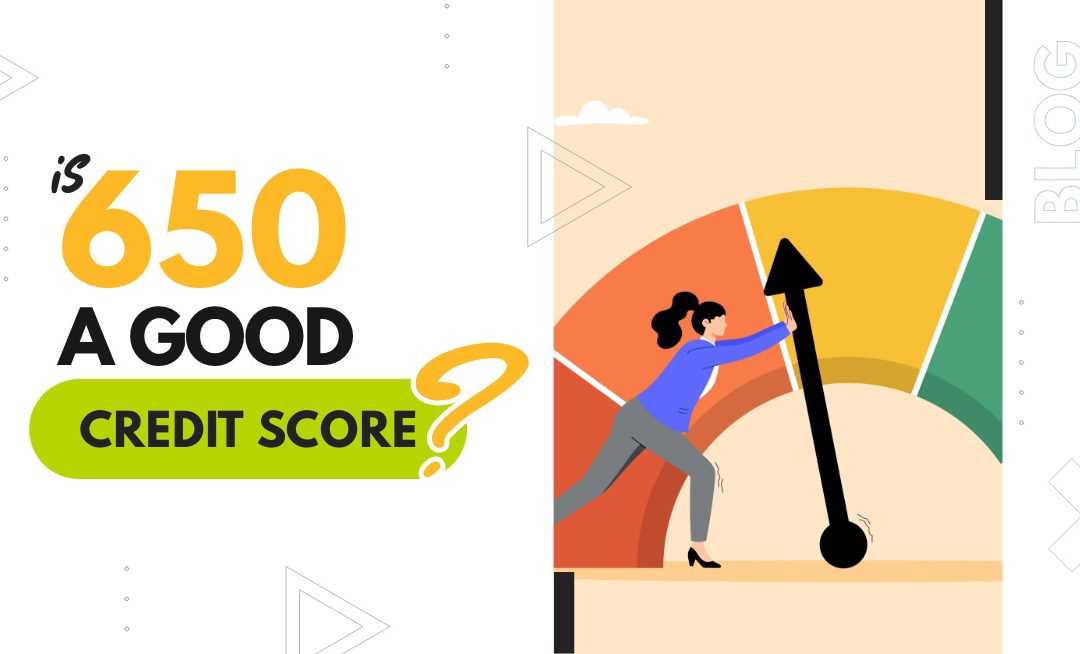
Is 650 a good credit score? The answer largely depends on the perspective of the lender or financial institution you're dealing with. Generally, a 650 credit score is considered “fair” in most scoring models, including FICO and VantageScore. It’s positioned in the middle of the score range, which spans from 300 to 850. To give you some context, a score below 600 is considered poor, while a score above 700 is considered good or excellent.
For most people, a 650 score means that they have some room for improvement but are not necessarily in bad standing. It’s important to recognize that a score in this range can still offer access to credit, but it may come with higher interest rates, fewer rewards, or more stringent terms.
Impact of a 650 Credit Score
A credit score of 650 falls into the "fair" category, and while it’s not considered poor, it does have an impact on your financial options. Many lenders view a 650 score as a sign that you have some credit management issues but are still capable of making responsible financial decisions. While this score doesn’t completely limit your options, it can affect the terms and conditions of the financial products you are offered.
Loan Approval:
With a 650 credit score, you can still be approved for loans, but the terms may not be ideal. Lenders may consider you a moderate-risk borrower, meaning you might face higher interest rates compared to someone with a higher credit score. For example, while a person with an 800+ credit score may qualify for loans with competitive rates, you may be given less favorable rates, which could lead to paying more in interest over the life of the loan.
Credit Card Offers:
A 650 score may grant you access to basic credit cards, but you’ll likely miss out on premium rewards cards or those with low interest rates. Cards offering travel perks, cashback, or 0% introductory APR deals often require a higher credit score. With a 650 score, you may have to settle for a standard card, potentially with higher interest rates, fewer rewards, and a lower credit limit.
Mortgage or Auto Loans:
When it comes to mortgages and auto loans, a 650 credit score might still qualify you for financing, but expect to pay higher interest rates. Over time, this can add up to a significantly larger amount paid for the same loan compared to someone with a higher credit score.
While a 650 credit score isn’t terrible, it’s far from ideal. It leaves room for improvement, and with focused efforts on credit repair and responsible financial behavior, you can increase your score and unlock better financial opportunities.
2. Understanding Credit Score Ranges
To better understand whether 650 is a good score, it's essential to know how credit scores are generally categorized. A FICO score, the most widely used scoring model, ranges from 300 to 850. Here’s a breakdown of what each range typically means:
- 300-579 (Poor): This is the lowest score range. Individuals in this category may struggle to get approved for loans or credit cards. If they do, the terms will likely be unfavorable, including high-interest rates.
- 580-669 (Fair): A 650 score falls into this range. It's not ideal, but it’s not the worst either. Those with scores in this range can access some credit but will often face higher rates.
- 670-739 (Good): Scores in this range show that you manage your credit well. You’re likely to receive more favorable offers from lenders and creditors, with better interest rates and more loan options.
- 740-799 (Very Good): This range represents excellent credit management. Individuals in this group will often qualify for the best terms on loans and credit cards.
- 800-850 (Excellent): A score in this range reflects an almost perfect credit history. These individuals can expect to qualify for the most competitive interest rates, premium rewards, and other benefits.
Understanding where your score fits into this range can help you identify how lenders might view you and what financial products you may be eligible for. A 650 score is certainly on the lower end of the "fair" range but is a starting point for working toward a "good" credit score.
Why Your Score Matters
A credit score of 650, while considered "fair," comes with limitations that can affect your financial opportunities. Although it’s not the lowest possible score, it doesn’t offer the same advantages as higher scores, which can make a significant difference in your ability to secure loans, credit cards, and other financial products.
Higher Interest Rates on Loans
One of the most significant impacts of a 650 credit score is the higher interest rates you'll likely face when applying for loans. Lenders view individuals with lower credit scores as higher-risk borrowers, and to offset that risk, they often offer loans at higher interest rates. For example, if you're applying for a mortgage, auto loan, or personal loan, a 650 score could result in paying a substantially higher interest rate compared to someone with a score of 700 or above. Over time, this means you could end up paying more for the same loan, increasing your financial burden.
Limited Access to Premium Credit Cards or Mortgages
With a 650 credit score, your access to premium financial products, such as top-tier credit cards or mortgages with favorable terms, is limited. Premium credit cards, which offer benefits like cash back, travel rewards, or low interest rates, typically require a credit score in the "good" range, around 700 or higher. Similarly, when it comes to mortgages, a 650 score may qualify you for a loan, but the terms could be less favorable, including higher interest rates or larger down payment requirements.
More Restrictive Terms
Even if you qualify for certain financial products, a 650 score often means you'll face more restrictive terms. These terms could include higher fees, limited credit limits, and less favorable repayment schedules, which ultimately make managing your finances more challenging.
While every lender or creditor has their own criteria for what constitutes a "good" credit score, aiming for a score of 700 or higher will give you access to better financial products, lower interest rates, and more favorable loan terms. A higher score can open doors to more opportunities, helping you achieve greater financial flexibility and security.
3. The Credit Repair Process: How Can You Improve Your 650 Score?
A score of 650 might be considered fair, but that doesn’t mean it’s set in stone. If you’re hoping to improve your credit score and move into the “good” or “excellent” range, the credit repair process can help you achieve this. The key to improving your score is understanding the factors that contribute to it and taking actionable steps to improve them.
Key Factors Impacting Your Credit Score:
- Payment History (35% of your score): Making on-time payments is crucial. Late payments can significantly impact your credit score, while consistent on-time payments improve it.
- Credit Utilization (30% of your score): This refers to the amount of credit you use compared to your available credit. Keeping this ratio below 30% is ideal for maintaining a good score.
- Credit History Length (15% of your score): The longer your credit history, the more reliable you appear to lenders.
- Credit Mix (10% of your score): Having a variety of credit types, such as credit cards, loans, and mortgages, can positively impact your score.
- New Credit (10% of your score): Frequent credit inquiries can lower your score. Avoid opening multiple credit accounts in a short period.
Steps in the Credit Repair Process:
- Check Your Credit Reports: Start by obtaining a free credit report from the three major bureaus: Equifax, Experian, and TransUnion. Look for any inaccuracies or outdated information that might be negatively affecting your score.
- Dispute Errors: If you find errors, dispute them with the credit bureau. This can lead to immediate improvements in your score once the issue is resolved.
- Pay Down Debt: Reducing your credit card balances and paying off high-interest loans can significantly reduce your credit utilization ratio.
- Stay Current on Payments: Consistently making on-time payments is one of the easiest ways to improve your credit score.
- Consider Credit Repair Services: Professional services like Credit Repair of Florida can help you navigate the process, dispute errors, and create a strategy for improving your credit.
While some improvements may take time, staying consistent with the right strategies will help you reach a higher score. Working with a credit repair expert can expedite this process by helping you make strategic, compliant decisions based on your specific situation.
4. Common Mistakes to Avoid During Credit Repair
While credit repair may sound straightforward, many individuals make mistakes along the way that can delay progress or even worsen their financial situation. Understanding these common mistakes can help you avoid pitfalls and stay on track as you work toward improving your credit score.
Common Mistakes:
- Ignoring Your Credit Reports: Many consumers neglect to check their credit reports regularly, assuming that their credit score will improve automatically. Regularly reviewing your report helps you identify errors or issues that need addressing.
- Paying Off Old Debts First: While it may seem like a good idea to pay off older debts, doing so might not always be the best strategy. In some cases, paying off newer debts first can have a greater positive impact on your score.
- Missing Payments: This is perhaps the most common mistake. A single late payment can have a significant negative effect on your credit score. Always prioritize paying your bills on time, even if you can only make partial payments.
- Closing Credit Accounts: Closing old credit accounts may seem like a way to reduce the temptation to overspend, but it can hurt your credit score by shortening your credit history or increasing your credit utilization ratio.
- Not Seeking Professional Help: Many people attempt to repair their credit without professional help, which can lead to wasted time and frustration. A credit repair expert can offer valuable insight and take action on your behalf.
How to Avoid These Mistakes
When working to improve your credit score, avoiding common mistakes is essential to making steady progress. Many people unknowingly make decisions that hinder their credit repair efforts. By staying proactive and informed, you can set yourself up for long-term success. Here’s how to avoid the most common credit repair mistakes:
Review Your Credit Report Regularly
One of the most important steps you can take is to review your credit report regularly. Mistakes or outdated information can significantly impact your score, and you may not even know about them unless you look. By checking your report at least once a year, you ensure that all the information is accurate and up-to-date. You're entitled to one free credit report from each of the three major credit bureaus—Equifax, Experian, and TransUnion—every year. Use these free reports to check for errors such as incorrect account details, missed payments, or fraudulent activity. Catching and disputing these mistakes early can help boost your score quickly.
Make Payments on Time
Late payments can have a severe impact on your credit score. A single missed payment can stay on your credit report for years, so it’s important to stay on top of due dates. Set reminders for yourself or consider enrolling in automatic payments to ensure you never miss a bill. Timely payments account for a significant portion of your credit score, and maintaining a history of on-time payments can greatly improve your credit over time.
Seek Expert Guidance
If the process of credit repair feels overwhelming, seeking expert guidance is a smart move. Credit repair services, such as Credit Repair of Florida, can help you navigate the complexities of improving your score. A credit repair expert can offer professional advice, help dispute inaccuracies, and create a tailored plan to boost your credit health.
By staying aware of these mistakes and taking proactive steps, you can avoid setbacks and build a stronger credit history over time. Taking small, consistent actions today can have a long-lasting positive impact on your financial future.
5. The Long-Term Benefits of Maintaining a Good Credit Score
Once you’ve repaired your credit and achieved a good score, it’s essential to maintain it. The long-term benefits of keeping a strong credit score are far-reaching and will make a significant impact on your financial well-being.
Benefits of Maintaining a Good Credit Score
Maintaining a good credit score brings numerous long-term benefits that can positively impact your financial health and open doors to a wide range of opportunities. Whether you’re looking to borrow money, secure a job, or manage your finances more effectively, a higher credit score can make a significant difference.
Lower Interest Rates
One of the primary benefits of maintaining a good credit score is the ability to secure lower interest rates on loans and credit cards. With a higher credit score, lenders view you as a lower-risk borrower, which means they are more likely to offer you loans with more favorable terms. This can save you substantial amounts of money over time, especially on large loans like mortgages or car loans, where even a small difference in the interest rate can result in thousands of dollars in savings.
Better Loan Terms
A good credit score doesn’t just mean lower interest rates; it also opens doors to better loan terms overall. With a strong score, you may be offered higher borrowing limits, lower fees, and more flexible repayment options. This can be particularly helpful when you need to make a large purchase or borrow money for an important investment, like buying a home or starting a business.
Increased Financial Freedom
When you have access to better credit options, you gain more control over your finances. You can take advantage of lower interest rates on credit cards, car loans, and mortgages, allowing you to manage large expenses without the burden of high costs. This increased financial freedom provides you with the flexibility to make important purchases or handle emergency expenses without worrying about high costs or stringent terms.
Improved Job Prospects
In certain industries, employers may check your credit score as part of the hiring process, especially if the job involves handling money, managing budgets, or working with financial transactions. A good credit score can improve your chances of landing a job by demonstrating your responsibility and financial management skills.
Staying Vigilant
Maintaining a good credit score requires continuous effort. To protect your score and enjoy these benefits, it’s essential to keep your credit utilization low, make timely payments, and monitor your credit reports regularly. By staying on top of your credit, you can safeguard your financial future and enjoy the many opportunities that come with a strong credit history.
Conclusion
In conclusion, a 650 credit score is considered fair, but there is certainly room for improvement. It places you in the middle of the credit score range, which means that while you are not in a poor financial standing, there are areas where you can enhance your creditworthiness. By understanding your credit score and recognizing the factors that affect it, you can take actionable steps to move towards a higher score. Paying attention to important areas like timely payments, credit utilization, and avoiding late fees can significantly improve your credit score over time. Being proactive in monitoring your credit report for errors or inaccuracies can also lead to quick improvements.
By making these improvements, you can move into the "good" or even "excellent" credit score ranges, which opens up a world of better financial opportunities. These include lower interest rates, more favorable loan terms, and easier access to credit products with premium rewards. However, the journey to a better credit score may feel overwhelming, and some may struggle to navigate the process alone. This is where professional credit repair services, like Credit Repair of Florida, can make a significant difference. With expert guidance and strategic steps tailored to your unique situation, a credit repair professional can help expedite the process, providing valuable insights and advice to improve your credit score. By seeking professional help, you can stay on track, avoid common pitfalls, and unlock the full potential of your financial future.
FAQs
1. Can I get a loan with a 650 credit score?
Yes, you can get a loan with a 650 credit score, but you may face higher interest rates and less favorable terms due to being viewed as a moderate-risk borrower.
2. What types of credit cards can I get with a 650 credit score?
With a 650 score, you may qualify for basic credit cards, but premium cards with rewards or low interest rates are typically out of reach until your score improves.
3. Will a 650 credit score get me a mortgage?
Yes, you can qualify for a mortgage with a 650 score, but expect higher interest rates and possibly larger down payments due to being classified as a higher-risk borrower.
4. Can I get approved for an auto loan with a 650 credit score?
Yes, an auto loan is possible with a 650 credit score, but you’ll likely face higher interest rates, meaning higher monthly payments and more paid in interest over time.
5. How can I improve my 650 credit score to get better financial products?
To improve your 650 score, focus on making on-time payments, lowering credit card balances, and disputing errors on your credit report to boost your creditworthiness.
References
by Tim Sanders | Oct 31, 2025 | All, Credit Score Education
Your credit score is an important part of your financial life, impacting everything from your ability to secure loans to the interest rates you are offered. But what happens when you notice a sudden drop in your score and can't immediately pinpoint the cause? If you’ve ever experienced a significant drop in your credit score seemingly for no reason, you're not alone. Many people find themselves in this situation, and the truth is, your credit score can fluctuate for several reasons—some of which may not be immediately apparent.
In this comprehensive guide, we’ll explore the factors that can cause your credit score to drop unexpectedly, even when it seems like you haven’t made any major changes to your financial behavior. Understanding these factors is crucial for anyone trying to maintain or improve their credit score. We’ll break down the various reasons why your score might dip, the role of credit repair professionals, and how you can take steps to protect your financial future.
What is a Credit Score?
Before we dive into the reasons your score could drop, let’s first define what a credit score is and how it's calculated. A credit score is a numerical representation of your creditworthiness, which is used by lenders to assess how likely you are to repay borrowed money. The score is typically a three-digit number, ranging from 300 to 850, with a higher score indicating lower credit risk.
Credit scores are calculated based on the information contained in your credit report. This information includes:
- Payment history: How reliably you’ve paid your bills.
- Credit utilization: The ratio of how much credit you’ve used versus how much credit you have available.
- Credit history length: The age of your credit accounts.
- New credit: The number of recent inquiries or new credit accounts opened.
- Types of credit used: The variety of credit accounts you have, such as credit cards, mortgages, and installment loans.
A healthy credit score typically falls between 700 and 850, while anything below 600 is considered poor. A higher score can result in lower interest rates on loans, while a lower score may lead to higher interest rates or difficulty obtaining credit altogether.
Why Your Credit Score Might Drop: Common Causes
1. Payment History (35% of Your Score)
Your payment history is the most significant factor influencing your credit score. It makes up 35% of your total credit score. The information included in your payment history is typically the most up-to-date and can have the biggest impact on your score.
If you’ve missed a payment on one of your credit cards, loans, or any other credit accounts, you may notice an immediate drop in your score. Even a single missed payment can lower your score significantly, especially if the payment is 30 days or more past due. If you miss multiple payments, the damage to your score can be even more significant.
The good news is that a missed payment doesn’t stay on your credit report forever. After seven years, most negative marks are removed from your credit report. However, the immediate effect of a missed payment can be substantial. To avoid this, it’s crucial to set reminders or use auto-payment features to ensure you never miss a payment.
How to Avoid This:
- Set up reminders or auto-payments for your bills.
- If you miss a payment, try to catch up quickly to minimize the impact.
- Keep track of due dates and make timely payments.
2. Credit Utilization (30% of Your Score)
Credit utilization refers to the percentage of your available credit that you are currently using. It is a crucial component of your credit score because it shows how well you manage debt. The ideal credit utilization rate is below 30%, which means you should aim to use no more than 30% of your available credit across all your accounts.
If you have maxed out credit cards or have a high balance relative to your credit limits, your credit score could take a hit. Even if you have a good payment history, high credit utilization signals to lenders that you may be overextended and could be a risky borrower.
For example, if your credit limit is $1,000 and your balance is $800, your credit utilization ratio is 80%. This high ratio can cause your credit score to drop.
How to Avoid This:
- Try to pay down balances each month to keep your utilization low.
- Request a credit limit increase to improve your ratio.
- Avoid using more than 30% of your available credit.
3. Length of Credit History (15% of Your Score)
The length of your credit history makes up 15% of your credit score. Generally, a longer credit history is seen as a positive because it provides more data on your credit management habits. The more experience you have with managing credit, the more confident lenders can be that you’ll repay debt on time.
If you close older accounts, especially those with no balances, it could shorten your average credit history and cause your score to drop. This is particularly true if the account you close is one of your oldest accounts. Creditors like to see that you’ve been able to manage credit over time, so keeping your old accounts open can benefit your score.
How to Avoid This:
- Keep old accounts open, even if you don’t use them.
- Avoid closing old accounts unless necessary.
- If you have to close an account, try to close the newest ones first.
4. New Credit (10% of Your Score)
When you apply for new credit, the lender performs a hard inquiry (or "hard pull") on your credit report. This results in a temporary dip in your credit score, typically by a few points. Hard inquiries usually stay on your credit report for two years but only impact your score for the first 12 months.
Opening several new accounts in a short period can signal to lenders that you may be in financial distress, which can lower your score. This is why it’s important to avoid applying for credit unnecessarily.
How to Avoid This:
- Apply for new credit only when necessary.
- If you’re shopping for a loan, try to do it within a short period (typically 14 to 45 days) to minimize the effect on your score.
- Limit the number of credit card applications you make.
5. Types of Credit Used (10% of Your Score)
Credit scoring models consider the mix of credit accounts you have, such as credit cards, mortgages, installment loans, and retail accounts. Having a diverse mix of credit is seen as a positive, as it indicates that you are able to handle different types of debt responsibly.
For example, someone who only has credit cards may be viewed as more risky than someone with both credit cards and a mortgage. That’s because the latter shows the ability to manage both revolving credit (credit cards) and installment loans (mortgages, car loans, etc.).
How to Avoid This:
- Try to maintain a healthy mix of credit, including revolving credit and installment loans.
- Only open new credit accounts when it makes sense for your financial situation.
Less Obvious Reasons for a Drop in Credit Score
1. Does Opening a Bank Account Affect Your Credit Score?
You might be surprised to learn that opening a bank account doesn’t directly impact your credit score. Banks typically do not perform a hard inquiry on your credit when you open a checking or savings account. However, opening a bank account can indirectly affect your credit score if you overdraw the account or miss payments on fees, which can lead to collection actions or other negative marks on your credit report.
How to Avoid This:
- Manage your bank accounts responsibly, ensuring you don’t miss payments or incur fees that could negatively impact your credit.
2. The Day of the Month Your Credit Score Updates
Your credit score can change frequently based on when creditors report your account activity to the credit bureaus. Different credit card issuers and lenders report to the bureaus on different dates, so your score can fluctuate depending on when your balances are reported.
For instance, if your credit card company reports a high balance at the time your score is updated, your utilization ratio could spike, causing a temporary drop in your score.
How to Avoid This:
- Check with your credit card issuer to understand when they report to the bureaus.
- Keep track of your spending and balances leading up to the reporting date.
3. What Habit Lowers Your Credit Score?
Bad financial habits can have a significant impact on your credit score over time. Some common habits that can lower your score include:
- Maxing out credit cards: This increases your credit utilization and can signal financial trouble to lenders.
- Missing payments: Payment history is the most important factor in your credit score, so any missed or late payments can hurt your score.
- Neglecting your credit report: Failing to review your credit report for errors can allow negative information to remain on your report longer than necessary.
How to Avoid This:
- Set up payment reminders or automatic payments to ensure you never miss a due date.
- Regularly check your credit report for any inaccuracies.
4. What Credit Score Do You Start With?
When you first establish credit, your score typically starts at a lower range because there isn’t much history to draw from. This starting score is influenced by factors like the type of credit accounts you open, the payment history on those accounts, and how much debt you carry. People with limited credit histories may start with a score in the mid-500s or lower.
How to Avoid This:
- Start building credit early by opening a credit card or taking out a small loan.
- Make on-time payments and keep your credit utilization low to gradually improve your score.
How to Repair Your Credit
If you’ve noticed your credit score drop for no reason or are struggling to improve it, you might want to consider professional credit repair services. A credit repair company, like Credit Repair of Florida, can help you understand the factors affecting your credit score and work with creditors and the credit bureaus to dispute any inaccuracies or errors.
A credit repair professional will guide you through the process of improving your credit score by addressing issues like late payments, high credit utilization, and inaccurate information on your credit report. They can also help you develop a strategy for improving your score over time.
How Credit Repair Companies Help:
- Disputing inaccuracies in your credit report.
- Negotiating with creditors for better payment terms.
- Offering advice on how to improve your credit utilization and payment history.
Conclusion
In conclusion, a sudden drop in your credit score can be disorienting, but it’s important to understand the various factors that influence your score. Whether it’s a missed payment, high credit utilization, or a less obvious issue like credit report errors, several factors can cause your credit score to fluctuate.
If you’re struggling with a sudden drop in your score and don’t know where to turn, working with a credit repair professional like Credit Repair of Florida can help you get back on track. By addressing errors on your report, negotiating with creditors, and offering personalized advice, they can guide you toward a healthier credit score and a brighter financial future.
FAQs:
1. Why did my credit score drop for no reason?
A sudden drop in your credit score can happen due to various factors, even if you haven’t made any major financial changes. Common causes include missed payments, high credit utilization, or errors on your credit report. Credit scores can also fluctuate due to updates from creditors, new credit inquiries, or changes in your credit report. It’s important to review your credit report regularly to identify any discrepancies.
2. Does opening a bank account affect my credit score?
Opening a bank account does not directly affect your credit score because banks typically do not perform hard inquiries for checking or savings accounts. However, if you incur overdraft fees, miss payments, or have issues with the account, it can indirectly affect your score. Maintaining responsible management of your bank account is key to ensuring it doesn’t harm your credit.
3. What day of the month does my credit score update?
Your credit score updates when your creditors report your account information to the credit bureaus, which usually occurs monthly. However, the exact date varies depending on the creditor. Some credit card issuers report on a set day each month, while others may do so at different times. It’s a good idea to track when your creditors report, as it can affect your credit utilization ratio and, subsequently, your score.
4. How long does it take to see improvements in my credit score?
The time it takes to see an improvement in your credit score depends on several factors, such as your current score, the severity of any negative marks, and the steps you take to improve it. If you actively work to reduce credit card balances, make timely payments, and address any errors on your credit report, you might begin to see improvements within a few months. However, significant changes in your score could take six months or longer, depending on the issues being addressed.
5. Can a credit repair company help improve my score?
Yes, a credit repair company can help you improve your credit score by identifying errors, negotiating with creditors, and offering advice on how to improve your credit usage. A company like Credit Repair of Florida can help dispute inaccurate information on your credit report and guide you through strategies to reduce debt and improve your score over time. It's important to ensure the company you choose is reputable and compliant with credit repair regulations.
References:

by Tim Sanders | Oct 14, 2025 | All, Loans, Mortgages & Major Purchases
Buying a car can be one of the most exciting moments in your financial journey — until lenders start talking about credit scores, loan approvals, and interest rates. If you’ve been told your credit score is too low to qualify on your own, you’re not alone. Many people turn to a co-signer, often a trusted family member or friend with stronger credit.
But one question always comes up: whose credit score is used when you actually apply — yours, the co-signer’s, or some combination of both? This guide explains exactly how lenders evaluate a co-signed application, how it affects your loan terms, and how to strengthen your own credit so you can qualify solo in the future.
Last updated: July 17, 2026
Estimated reading time: 12 minutes
Key Takeaways
- Lenders review both credit reports, but most base approval and pricing on the lower of the two scores.
- A co-signer can unlock approval and a better rate, but it doesn’t erase the borrower’s credit history.
- The loan appears on both credit reports — on-time payments help both people, missed payments hurt both.
- Co-signers are fully, legally liable for the debt, not just morally supportive of the borrower.
- Roughly 70% of financed cars in 2025 went to borrowers with scores of 661 or higher, per Experian.
Understanding the Role of a Co-Signer
A co-signer is a person who agrees to share full responsibility for a loan. By signing the contract, they legally promise the lender that the debt will be repaid — even if the borrower cannot or does not make the payments. This gives lenders more confidence when approving applicants with limited or damaged credit histories.
If a borrower has a credit score below 600 or only a short credit history, lenders see them as higher-risk. Adding a co-signer with strong credit — typically a score above 700 — helps offset that risk. It’s the lender’s way of saying: we’ll approve this loan because someone with proven creditworthiness is backing it.
Co-signing is especially common in auto lending because loan amounts can be substantial. A co-signer doesn’t necessarily own the car, but they share full liability for the loan — meaning late or missed payments can harm both parties’ credit, and if the borrower defaults, the lender can pursue the co-signer for repayment.
How Lenders Evaluate Both Credit Reports
When you apply with a co-signer, lenders check both credit reports — not just one. Each report gives a full financial picture: payment history, outstanding balances, loan types, and length of credit history, typically pulled from all three major bureaus — Experian, Equifax, and TransUnion.
Most auto lenders focus on the lower credit score when deciding whether to approve the loan and what rate to offer. From the lender’s perspective, the lowest score reflects the greatest risk, so it becomes the baseline. If the borrower has a 580 and the co-signer has a 740, the lender may approve the loan but price it closer to what a 580-score borrower would receive on their own — the co-signer’s strong profile helps secure approval, but it doesn’t erase the borrower’s weaker history.
Some lenders — especially credit unions or smaller local banks — may weigh both scores together instead, sometimes averaging them or giving more weight to the co-signer’s profile. Policies vary by institution, but the general rule in auto financing is that the weaker credit profile carries the most influence on your terms.
According to Experian’s third-quarter 2025 data, roughly 70% of financed cars went to borrowers with scores of 661 or higher, with the average score for a used-car loan at 691 and for a new-car loan at 754. That gives a useful benchmark for where your combined application is likely to land.
Why Lenders Often Rely on the Lower Credit Score
Lenders are risk managers at heart. Every loan carries some uncertainty, and credit scores exist to measure that risk. When two people apply jointly, the lender has to consider the possibility that either one could default — so the lower score represents the higher-risk scenario, and pricing follows accordingly.
This affects not just whether the loan is approved, but the terms you receive. A lower score can mean a higher interest rate, a shorter repayment period, or a smaller loan amount. A borrower with a 580 might face a rate of 15% or more, while someone with a 720 might secure 6%. When the two apply together, the lender often settles somewhere in between — but typically closer to the higher rate than the lower one.
Adding a co-signer helps with approval, but it doesn’t guarantee the best possible terms. Lenders weigh the entire picture, including debt-to-income ratios and full payment histories, before finalizing an offer.
How Co-Signing Affects Both Credit Reports
Adding a co-signer changes how a lender views your application — it can mean the difference between rejection and approval, especially if your credit report includes late payments, collections, or charge-offs. But the impact extends beyond approval: it affects how the loan reports and how both people’s scores respond over time.
Once approved, the loan appears on both the borrower’s and the co-signer’s credit reports, and every monthly payment is recorded for both. On-time payments benefit both parties — the borrower builds positive history, and the co-signer maintains their record of reliability. But if the borrower misses a payment, the negative mark appears on both reports. Even one missed payment can meaningfully lower a score, especially for a co-signer who previously had excellent credit. The loan balance also adds to both parties’ debt-to-income ratios, which can affect either person’s ability to qualify for other loans later.
This is exactly why open communication between borrower and co-signer matters before signing — both need to understand the financial commitment and how it affects their future credit standing.
Benefits of Having a Co-Signer
Despite the risks, co-signing provides real advantages for borrowers navigating credit challenges.
Access to financing
Without a co-signer, many applicants with low credit scores might be denied outright. A co-signer’s established credit helps balance the lender’s risk, opening doors that might otherwise stay closed.
Lower interest rates
Even if the lender bases the loan primarily on the lower score, the co-signer’s involvement can still lead to more favorable terms than the borrower could get alone — a lower rate means smaller monthly payments and less paid over the life of the loan.
The chance to build or rebuild credit
For borrowers recovering from past financial setbacks, consistent on-time payments can raise a score steadily over time. That positive history can gradually outweigh older negative marks, signaling to future lenders that the borrower is now financially responsible.
The Hidden Risks for Co-Signers
While co-signing can help the borrower, it exposes the co-signer to real risks that shouldn’t be taken lightly.
Equal legal responsibility
The co-signer is equally responsible for the debt. If the borrower misses payments, defaults, or walks away from the loan, the lender can pursue the co-signer for full repayment. In the lender’s eyes, there’s no meaningful difference between borrower and co-signer — both are legally liable.
Reduced borrowing power
The loan appears as an active account on the co-signer’s credit report, increasing their total debt load. Even if the borrower is making every payment on time, the added debt can reduce the co-signer’s available credit and affect their own ability to take out new loans or a mortgage.
Score damage from missed payments
If the borrower defaults or pays late, the co-signer’s score drops too. For someone with excellent credit, even a single 30-day late payment can cause a 50- to 100-point decrease — a hit that can affect future borrowing power, insurance rates, and in some cases even employment opportunities.
The relationship risk
Beyond the numbers, co-signing for a loved one can strain relationships if financial trouble arises. Both parties should have an honest conversation about repayment expectations — and a realistic backup plan — before signing anything.
Legal Protections and Reporting Rules
Both borrowers and co-signers have rights under federal credit laws designed to keep the lending process transparent and fair.
The Fair Credit Reporting Act (FCRA) gives you the right to accurate and complete information on your credit report. If a lender or bureau reports an error — a missed payment that wasn’t actually missed, for example — you can dispute it, and once verified, incorrect information must be corrected or removed. If you suspect an inquiry from a co-signed application wasn’t authorized correctly, the same dispute process applies to remove unauthorized credit inquiries.
The Truth in Lending Act (TILA) requires lenders to fully disclose the terms of the loan, including the annual percentage rate, payment schedule, and total cost — giving both borrower and co-signer the information they need before signing.
The Equal Credit Opportunity Act (ECOA) prohibits lenders from discriminating based on gender, race, age, or other personal characteristics, meaning both applicants are evaluated solely on their financial qualifications.
Some lenders also offer a co-signer release clause — a provision that removes the co-signer from the loan after a set number of consecutive on-time payments, often 12 to 24 months. Not all lenders provide this option, so it’s worth asking before signing anything.
Alternatives to Using a Co-Signer
If you’re hesitant to ask someone to co-sign — or don’t have anyone willing to take on the responsibility — there are other ways to improve your approval odds.
The most effective strategy is improving your own credit before applying. Paying bills on time, reducing card balances, and reviewing your credit score standing for errors are all proven ways to raise your number — even small improvements can meaningfully lower your rate.
A larger down payment is another option: the less you need to borrow, the less risk the lender is taking on, which can offset a lower score and lead to better terms. Credit unions and community banks are also worth exploring, since they often have more flexible lending standards than large national lenders.
One newer option worth knowing about: some online auto retailers now offer soft-pull comparison tools that let you preview financing terms with and without a co-signer before you commit to a hard inquiry on either person’s credit. It’s a useful way to see whether a co-signer would meaningfully change your terms before you ask someone to take on that risk.
Finally, working with a reputable credit repair service can help you identify inaccuracies and dispute outdated negative items before you apply. No legitimate provider can guarantee a specific score increase or approval, and federal law restricts payment before the agreed service is fully performed — but the right guidance can help you approach your application with a clearer, more realistic plan.
Build the Credit That Gets You Approved on Your Own
When buying a car with a co-signer, both credit scores matter — but lenders usually rely on the lower of the two. The co-signer helps you gain approval, but their presence doesn’t erase your credit challenges or guarantee better terms, which is why working on your own credit before applying is worth the effort.
If your credit history includes late payments, collections, or charge-offs, Credit Repair of Florida can help you review your credit report and understand your options. We do not guarantee deletions, approvals, or a specific score increase — no legitimate company can — but we can help you build a clear, honest plan before your next application.
Frequently Asked Questions
How Lenders Decide
Does the lender use the co-signer’s credit score or the borrower’s?
Lenders review both credit reports, but they usually rely on the lower credit score to determine approval and interest rates.
Will the car loan show up on both credit reports?
Yes. The loan appears on both the borrower’s and the co-signer’s reports, and payment history affects both credit scores.
Can the co-signer be removed later?
Some lenders offer a co-signer release after a set number of consecutive on-time payments, but this depends entirely on the individual lender’s policy — ask before signing.
What’s a typical credit score for someone financing a car in 2026?
Recent data puts the average score for a used-car loan around 691 and around 754 for a new-car loan, with roughly 70% of financed cars going to borrowers scoring 661 or higher. These are averages, not requirements — plenty of loans get approved outside these ranges, often with a co-signer or adjusted terms.
Risks, Rights, and Alternatives
What happens if the borrower misses payments?
Late or missed payments are reported on both credit reports, hurting both scores. The lender can also pursue the co-signer directly for repayment.
Can improving my credit help me avoid needing a co-signer?
Yes. With a stronger score and payment history, you may qualify for auto financing independently and secure a lower interest rate without asking anyone to take on shared liability.
Is a co-signer the same as a joint applicant?
Not exactly. A co-signer typically shares liability for the debt without necessarily having an ownership interest in the vehicle, while a joint applicant (or co-borrower) usually shares both the debt and ownership. Ask your lender which structure they’re actually offering, since the terminology varies.
Can I preview loan terms before deciding whether to use a co-signer?
Some online auto retailers now offer soft-pull tools that let you compare estimated terms with and without a co-signer before any hard inquiry occurs. It’s worth asking a lender directly whether they offer something similar before you commit.
Sources and Additional Resources:
This article is provided for general educational purposes and is not legal, tax, or financial advice. Lending standards, average scores, and program details change over time — confirm current terms directly with any lender before applying.
by Tim Sanders | Sep 19, 2025 | All, Debt, Collections & Settlements
Managing your credit report can feel like solving a puzzle with missing pieces. Every time you think you’ve figured it out, another confusing detail pops up. One of the most frustrating and common questions people face is: “Should I pay off closed accounts on my credit report?”
At first glance, the answer seems obvious — paying off debt should always help your financial standing. After all, isn’t that what responsible borrowers are supposed to do? But when it comes to closed accounts, the reality is far more complicated. Sometimes paying can help, other times it makes little to no difference, and in some cases, it may even reset timelines you’d rather leave untouched.
This guide will walk you through exactly how closed accounts affect your credit score, why paying them off doesn’t always work the way you expect, and what practical steps you can take to protect your financial future while making smarter credit decisions.
Understanding Closed Accounts on a Credit Report
A closed account simply means that a credit account is no longer active. This can happen for several reasons:
- You paid off and closed the account yourself.
- The creditor closed the account due to inactivity.
- The account was charged off or sent to collections because of missed payments.
It’s important to know that closed accounts don’t vanish from your credit report immediately. Depending on whether they’re positive or negative, they can remain for years:
- Positive closed accounts (paid as agreed): up to 10 years.
- Negative closed accounts (missed payments, charge-offs, collections): up to 7 years.
Closed accounts can still play a role in your credit history, even when you no longer owe money on them. For example, a closed credit card that you managed responsibly might continue to boost your score for nearly a decade. On the other hand, a charged-off loan with missed payments will remain as a negative mark until it reaches its reporting limit. Understanding this timeline is essential to avoid unnecessary stress when reviewing your credit report.
How Closed Accounts Affect Your Credit Score
Closed accounts influence your credit scores in several ways:
- Payment History – If you paid on time before closing, that positive history helps your score. If the account has late payments or a charge-off, it drags your score down.
- Credit Utilization – Closing a revolving account (like a credit card) may reduce your available credit, increasing your utilization ratio. A higher ratio lowers your credit score.
- Credit Age – Older accounts, even when closed, add to your credit history length. Losing them when they eventually fall off could shorten your average credit age.
- Account Mix – A variety of account types (credit cards, loans, mortgages) can improve your score. Closing accounts may reduce your mix.
This means a closed account can either work in your favor or against you depending on its history. For example, a five-year-old credit card closed in good standing might still improve your credit age, while a loan closed due to default damages both payment history and overall trust with lenders. The key takeaway is that closed accounts don’t carry equal weight — the details matter.
Should You Pay Off a Closed Account?
The big question: Does paying off a closed account actually help your credit? The answer is it depends.
When Paying Off a Closed Account Makes Sense
- The account is in collections. Paying may stop calls, letters, and legal action.
- You’re applying for a loan soon. Mortgage lenders may require old debts to be settled before approval.
- The creditor offers an update. Some creditors may agree to update the account status to “paid in full” or “settled” in exchange for payment.
- You want peace of mind. Sometimes the emotional relief of settling old debt is worth it, even if the score impact is small.
Paying off a closed account can also prevent future financial headaches. For example, a collection agency could attempt legal action, garnish wages, or resell your debt if it remains unpaid. By settling the account, you take control of the situation and limit future risk. Additionally, some lenders look beyond just your credit score and review the details of your credit report; seeing an unpaid balance, even on a closed account, might be a red flag during manual underwriting.
When Paying May Not Help
- The account is already aged. If the account is set to fall off your credit report soon, paying won’t remove it any faster.
- The damage is done. Negative history like late payments won’t be erased by paying — the closed account will still show up as negative until it expires.
- Score impact is minimal. Sometimes paying off a small, old closed account barely moves your score.
In fact, making a payment on an old closed account may reset the statute of limitations for collection in some states, giving collectors more time to pursue you legally. This is why understanding the age of the debt and your state laws is critical before deciding. In these situations, paying may provide little benefit while extending the timeline of potential creditor action.
Common Consumer Complaints About Closed Accounts
Many consumers feel misled when dealing with closed accounts. Common frustrations include:
- Paying a closed account doesn’t remove it from the credit report.
- Old mistakes continue haunting scores for years.
- Credit bureaus rarely explain clearly how closed accounts are factored into scores.
- The system seems to punish people twice — once when the account was closed, and again every time a lender checks their report.
This frustration is made worse by the lack of transparency from creditors and credit bureaus. For instance, a consumer may believe that settling a charged-off account should automatically improve their credit score, only to find that it still reports negatively as “paid charge-off.” Many describe the system as feeling rigged, where even efforts to make good on past debts don’t lead to meaningful improvements. This is where many seek credit repair services to help dispute, negotiate, or reframe how these accounts are reported.
Your Legal Rights Under the FCRA
The Fair Credit Reporting Act (FCRA) gives you specific rights regarding closed accounts on your credit report:
- Right to Accuracy – If the information is inaccurate, incomplete, or outdated, you can dispute it.
- Right to Timely Reporting – Negative closed accounts cannot remain beyond the allowed timeframe (usually 7 years).
- Right to Verification – Credit bureaus must verify disputed accounts with creditors; otherwise, they must remove the entry.
- Right to Notification – You must be notified if negative information is added to your report.
Consumers often overlook that these protections can be powerful tools in their favor. For example, if a creditor cannot verify a closed account when challenged, the credit bureau is legally required to delete it. Likewise, if an account is reported beyond the 7-year limit, it must be removed. Knowing your FCRA rights is essential to avoid being at the mercy of creditors or credit bureaus who may not always report data correctly.
Steps to Take Before Paying Off a Closed Account
- Pull Your Credit Report – Get free annual reports from Experian, Equifax, and TransUnion.
- Check the Date – If the closed account is nearing the 7-year mark, waiting may be better.
- Dispute Errors – File disputes for incorrect balances, dates, or statuses.
- Negotiate Strategically – Ask creditors if they’ll update the status positively in exchange for payment.
- Get Agreements in Writing – Never pay based on verbal promises.
- Focus on Building New Credit – Sometimes, establishing new positive history outweighs dealing with an old closed account.
Each of these steps helps you make a decision that balances both financial and legal considerations. For instance, checking dates ensures you don’t pay for something that’s close to expiring anyway. Disputing errors is often overlooked but can lead to quicker credit score improvements than paying old accounts. And by focusing on building new credit, you offset the weight of negative closed accounts with fresh positive history, which scoring models often value more heavily.
Final Thoughts
Deciding whether to pay off closed accounts on your credit report is not straightforward. Sometimes it makes sense, especially if you need loan approval soon or want to avoid collections. Other times, paying may not improve your credit scores significantly. What matters most is understanding how closed accounts affect you, knowing your legal rights, and making informed choices.
If you feel stuck, stressed, or simply don’t know the best next step, you don’t have to go through it alone. Credit Repair of Florida has helped countless individuals challenge inaccurate closed accounts, rebuild positive history, and find lasting credit solutions. Their professional credit repair services give you the guidance and tools to move forward with confidence.
👉 Contact Credit Repair of Florida today to get a free consultation and take control of your credit journey.
FAQs: Closed Accounts and Credit Scores
1. Will paying a closed account increase my credit score?
Not always. The impact depends on the type of account, its age, and whether it was positive or negative. Paying may look good to lenders manually reviewing your report, but it may not significantly boost your score.
2. Does a closed account ever help my credit score?
Yes — if it was paid on time, it can help your history for up to 10 years. Positive closed accounts strengthen your length of credit history and show responsible management, which can be beneficial when applying for loans.
3. Can a closed account be removed early?
Only if it’s inaccurate, unverifiable, or reported beyond the legal timeframe. Disputes filed under the FCRA are the most effective method for early removal, especially when creditors cannot provide proper verification.
4. What happens if I ignore a closed account?
If it’s negative, it will remain for up to 7 years and may lead to collections or lawsuits if unpaid. Ignoring it can also make it harder to get new credit since lenders may view unpaid closed accounts as a sign of higher risk.
5. Should I work with a credit repair company?
If you’re overwhelmed or unsure how to dispute, negotiate, or manage closed accounts, professional help may save time and improve results. Credit repair companies often understand the law better than individual consumers and can apply pressure to bureaus and creditors to update, correct, or even remove accounts when appropriate.
References:
by Tim Sanders | Sep 12, 2025 | All, Credit Score Education
Building a credit score is one of the most important steps on the path to financial independence. Whether you are a young adult just starting out, an immigrant new to the U.S. credit system, or someone recovering from financial setbacks, you may be wondering: how long does it take to get a credit score?
The answer depends on which scoring model is being used, what kind of credit activity you have, and how quickly your lenders report your information. Some people may see a score appear in as little as one month, while others may wait up to six months before they have a FICO score—the most widely used scoring model.
This guide will explain what a credit score is, why it takes time to establish one, what factors influence the process, and how you can begin building credit in a responsible way.
What Is a Credit Score?
A credit score is a three-digit number that reflects your creditworthiness. Lenders, landlords, insurance companies, and sometimes even employers use it to evaluate how likely you are to manage credit responsibly.
Score Ranges
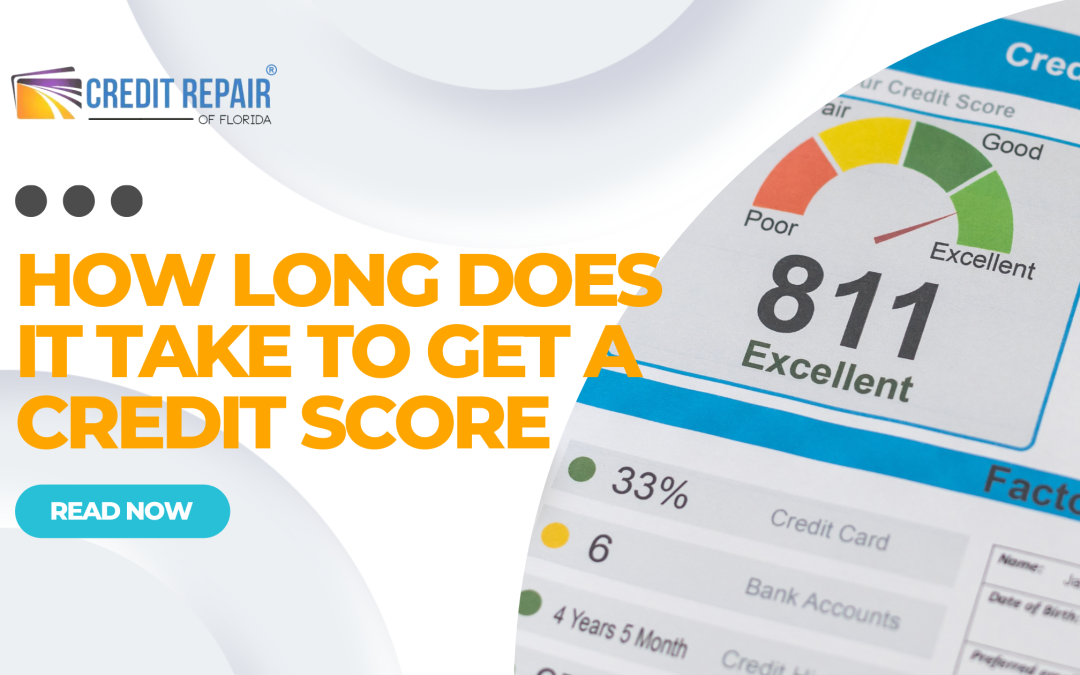
Both FICO and VantageScore use a scale from 300 to 850:
- 300–579: Poor – High risk for lenders.
- 580–669: Fair – Below average but may qualify for some products.
- 670–739: Good – Acceptable to most lenders.
- 740–799: Very Good – Lower interest rates and better approvals.
- 800–850: Excellent – The best terms available.
What Makes Up a Score?
Although the models differ slightly, most scores are based on:
- Payment history (on-time vs. late payments).
- Credit utilization (percentage of available credit you use).
- Length of credit history (average age of accounts).
- New credit inquiries (applications for new accounts).
- Credit mix (variety of accounts like credit cards, loans, mortgages).
Your score comes from the information in your credit report, which is maintained by the three major credit bureaus: Experian, Equifax, and TransUnion.
How Long Does It Take to Get a Credit Score?
You don’t have a credit score automatically. One must be generated based on your credit report after certain conditions are met. The timeline varies between FICO and VantageScore.
FICO Requirements
To have a FICO score, you need:
- At least one credit account reported to the bureau in the past six months.
- A credit file that is at least six months old.
This means that in most cases, it takes about six months to generate your first FICO score.
VantageScore Requirements
VantageScore has more flexible rules. It can generate a score after just one month of activity if there is at least one account reported. In many cases, you could see a VantageScore appear within 30 to 60 days of opening your first credit account.
Typical Timeline
- Month 1–2: Activity reported → VantageScore may appear.
- Month 6: FICO score becomes available.
- Beyond 6 months: Score strengthens with continued use.
Why Does It Take Time to Build a Score?
Credit scores are designed to measure patterns of behavior over time, not one-time events. Lenders and scoring models want to see:
- Do you pay on time consistently?
- Do you manage balances responsibly?
- Have you built a history long enough to be reliable?
Because these patterns cannot be judged instantly, it takes several months of reported data before a score can be calculated.
Another reason is reporting cycles. Lenders usually report activity to the credit bureaus once per month. If you open a credit card today and use it, your activity may not appear on your credit report until 30–45 days later. Only then can scoring models begin to evaluate your behavior.
What If You’re Credit Invisible?
If you have never used credit before or haven’t used it in many years, you may be considered credit invisible. According to studies, tens of millions of Americans fall into this category.
Being credit invisible does not mean you have bad credit; it simply means there is not enough information to generate a score. However, this status can create challenges:
- Difficulty renting apartments.
- Higher deposits for utilities or cell phone plans.
- Rejections for loans or credit cards.
- Higher interest rates if approved.
Fortunately, you can move from credit invisible to scored with just one account and a few months of activity.
How to Build Your First Credit Score
If you are starting from zero, here are practical strategies to help you establish your credit profile.
1. Open a Secured Credit Card
- Requires a refundable deposit (often $200–$500).
- Functions like a regular credit card.
- Reports monthly activity to the bureaus.
- Great for beginners because approval is easier.
2. Become an Authorized User
- A family member or partner can add you to their existing credit card.
- Their positive payment history can help build your profile.
- You are not legally responsible for payments, but you benefit from the account’s history.
3. Consider a Credit-Builder Loan
- Small installment loans offered by credit unions or online lenders.
- Payments are reported to bureaus, helping you build a payment history.
- At the end of the loan, you receive the money you “borrowed.”
4. Use Accounts Responsibly
- Make payments on time every month.
- Keep your utilization low (ideally under 30%, best under 10%).
- Avoid unnecessary applications for new credit.
These habits create the foundation for your credit score to grow quickly once generated.
Monitoring Your Credit Report and Score
Once you start using credit, it’s important to monitor your reports and scores.
- Credit reports: You can check all three reports for free at AnnualCreditReport.com. This shows your accounts, balances, and payment history.
- Credit scores: Many banks and credit card companies now provide free FICO or VantageScore access.
- Monitoring apps: Services like Identity IQ and Smart Credit offer credit scores and alerts.
Checking regularly ensures you know when your score first appears and helps you detect errors or fraud early.
How to Speed Up the Process
Although you cannot instantly create a credit score, you can encourage faster reporting and stronger results:
- Use your account each month – Even small purchases show activity.
- Pay on time – The single most important factor.
- Keep balances low – Don’t carry high debt relative to your limit.
- Link alternative data – Programs like Experian Boost add utility and phone payments.
- Avoid inactivity – No usage means no data to report.
By following these steps, you could see your first score in as little as one to two months, and by six months you will likely have a FICO score as well.
Compliance and Consumer Rights
When building your credit score, it’s also important to know your rights under the Fair Credit Reporting Act (FCRA). This law ensures:
- You have the right to access your credit reports.
- You can dispute errors with the credit bureaus.
- Bureaus must investigate disputes and correct inaccurate information.
- Only those with a legitimate need can access your credit report.
Understanding these protections helps you safeguard your credit as you build it.
Final Thoughts
So, how long does it take to get a credit score?
- VantageScore: As soon as 30 days.
- FICO Score: Around six months.
The exact timeline depends on how quickly your accounts are reported and how consistently you use them.
Remember, credit building is a journey. The goal is not just to get a score but to create a positive, long-term history that will help you qualify for loans, mortgages, and credit cards on the best possible terms.
If you are new to credit or need help rebuilding after financial challenges, professional guidance can make the process smoother. A company like Credit Repair of Florida can help you understand your reports, dispute errors, and develop strategies to build and maintain strong credit.
With patience and consistent habits, you will not only get your first score but also set yourself up for financial success in the years ahead.
Frequently Asked Questions
- Do debit cards build credit?
No. Debit cards are linked to your checking account and do not report to credit bureaus.
- Do utility or rent payments count?
Not automatically. However, if you use services like Experian Boost or rent-reporting tools, these payments can be added to your credit file.
- Can I build a score without debt?
Yes. You can use a credit card and pay it off in full each month. Responsible usage, not carrying debt, builds your score.
- Will closing my first account hurt me?
Yes. The age of your accounts matters. Keeping older accounts open helps your score.
- How fast can I move from no score to “good credit”?
In most cases, it takes about 6–12 months of consistent activity to move into the “good” range.
References: